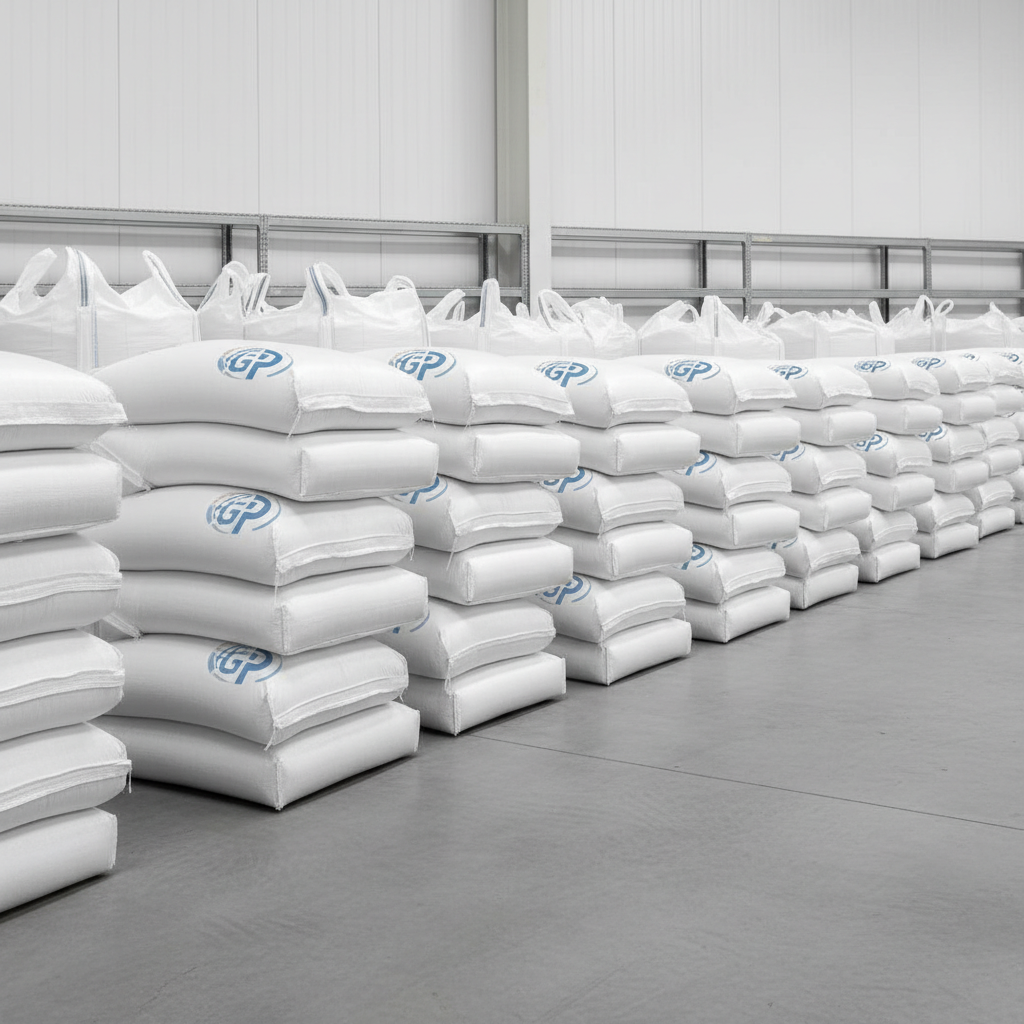
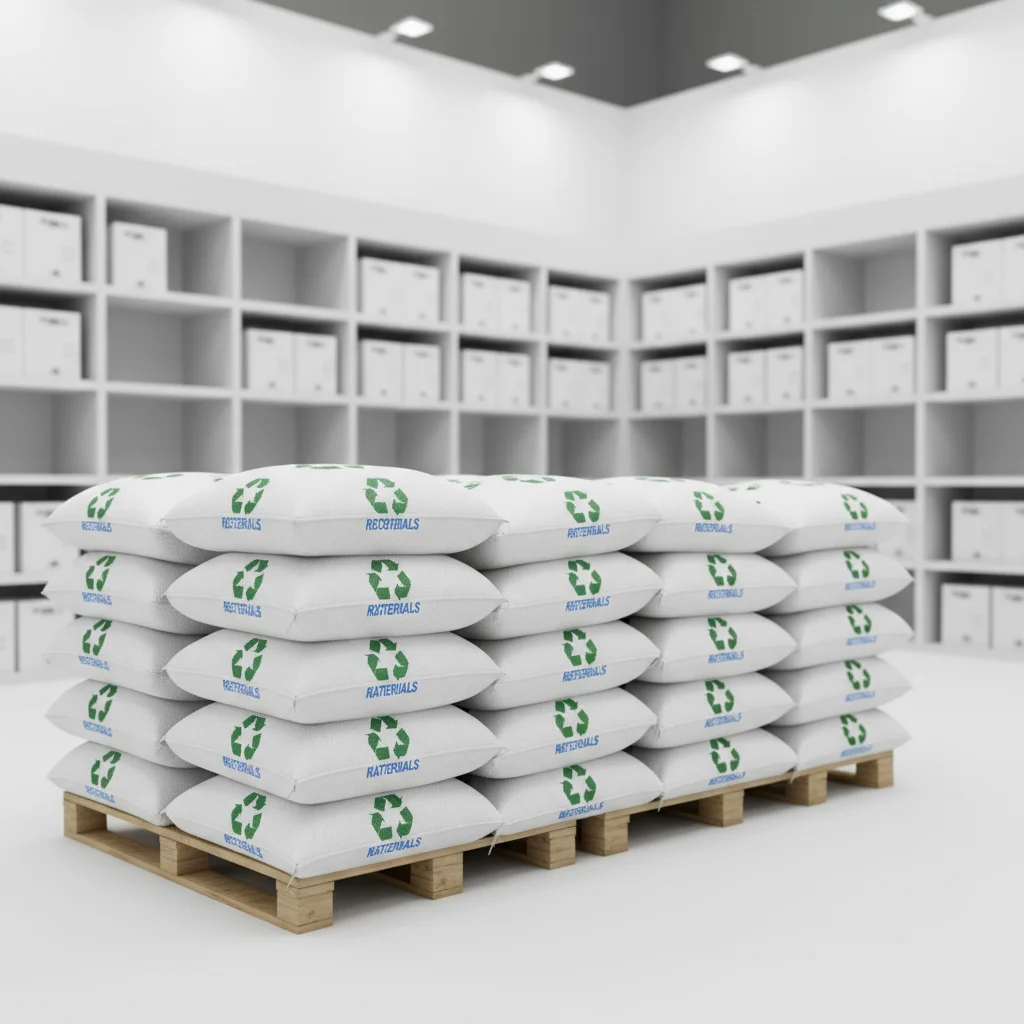
White woven polypropylene bags are a ubiquitous yet often overlooked component of modern global commerce and humanitarian aid. These durable, cost-effective, and versatile bags play a critical role in transporting and storing a vast array of goods, from agricultural products and construction materials to emergency supplies and food aid. Understanding their properties, applications, and evolving sustainability considerations is crucial for businesses, NGOs, and policymakers alike.
The global demand for white woven polypropylene bags is substantial and consistently growing, fueled by increasing international trade, population growth, and a heightened focus on efficient logistics. Figures from the UN show a consistent rise in the need for packaging solutions for food security programs, and polypropylene remains a dominant material choice due to its balance of cost and performance. However, this demand also presents challenges related to plastic waste and the need for more sustainable production and disposal methods.
Addressing these challenges and optimizing the use of white woven polypropylene bags requires a holistic approach encompassing material science innovation, improved recycling infrastructure, and responsible sourcing practices. This document will explore the core characteristics, applications, advantages, future trends, and existing obstacles related to this essential packaging solution, offering valuable insights for those involved in its production, distribution, and end-use.
Introduction to White Woven Polypropylene Bags
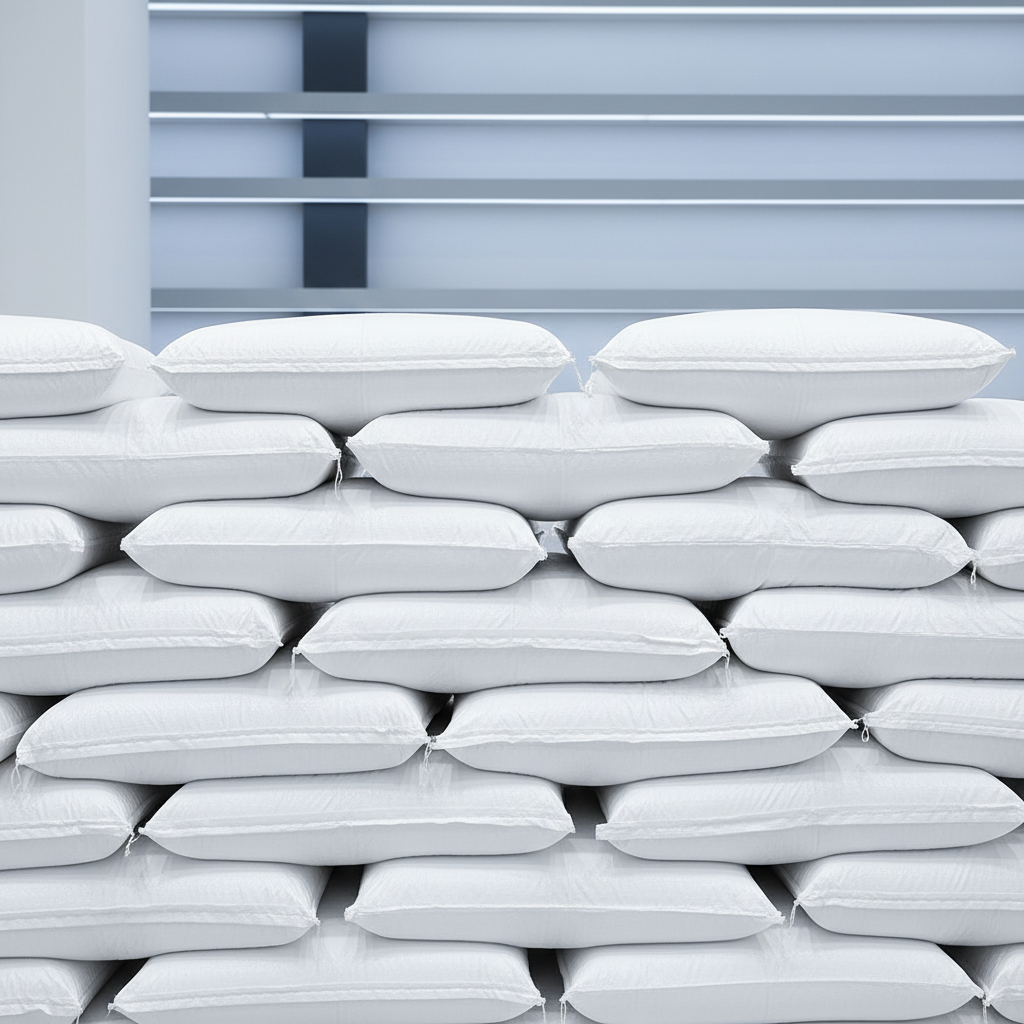
White woven polypropylene bags represent a cornerstone of modern packaging and logistical solutions. Their versatility stems from the unique properties of polypropylene, a thermoplastic polymer known for its strength, chemical resistance, and relatively low cost. These bags are manufactured through a process of extruding polypropylene ribbons and weaving them tightly together, creating a fabric that can withstand significant weight and stress. white woven polypropylene bags are used across a diverse spectrum of industries.
The widespread adoption of white woven polypropylene bags is directly linked to the demands of a globalized economy. They facilitate the efficient transport of raw materials, finished goods, and essential supplies, connecting producers with consumers across continents. While concerns around plastic pollution are valid and require proactive solutions, the practicality and affordability of these bags ensure their continued relevance in the foreseeable future, particularly when considering responsible disposal and recycling initiatives.
Defining White Woven Polypropylene Bags
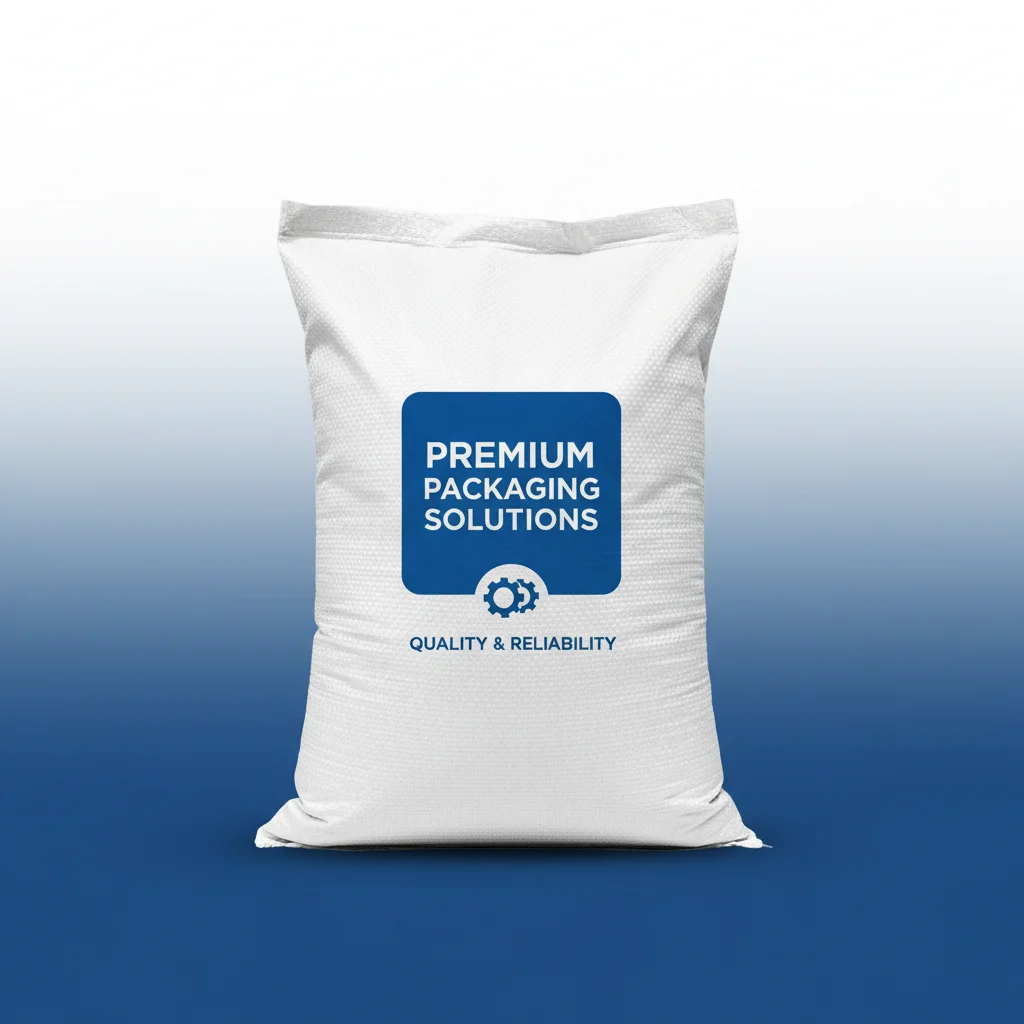
White woven polypropylene bags are constructed from polypropylene (PP) resin, a thermoplastic polymer. The manufacturing process involves extruding the PP into thin, flat ribbons. These ribbons are then woven in a checkerboard pattern – typically over-under – creating a durable and tightly woven fabric. The ‘white’ designation refers to the standard color achieved during production, though the fabric can readily be dyed to various colors. The woven structure provides significant tensile strength, allowing the bags to bear substantial loads.
These bags are distinct from other types of plastic packaging, such as films or molded containers, due to their woven structure, which provides greater strength-to-weight ratio. They serve as a practical alternative to traditional packaging materials like jute or cotton, offering superior durability, water resistance, and cost-effectiveness. They are integral to both industrial logistics and humanitarian efforts.
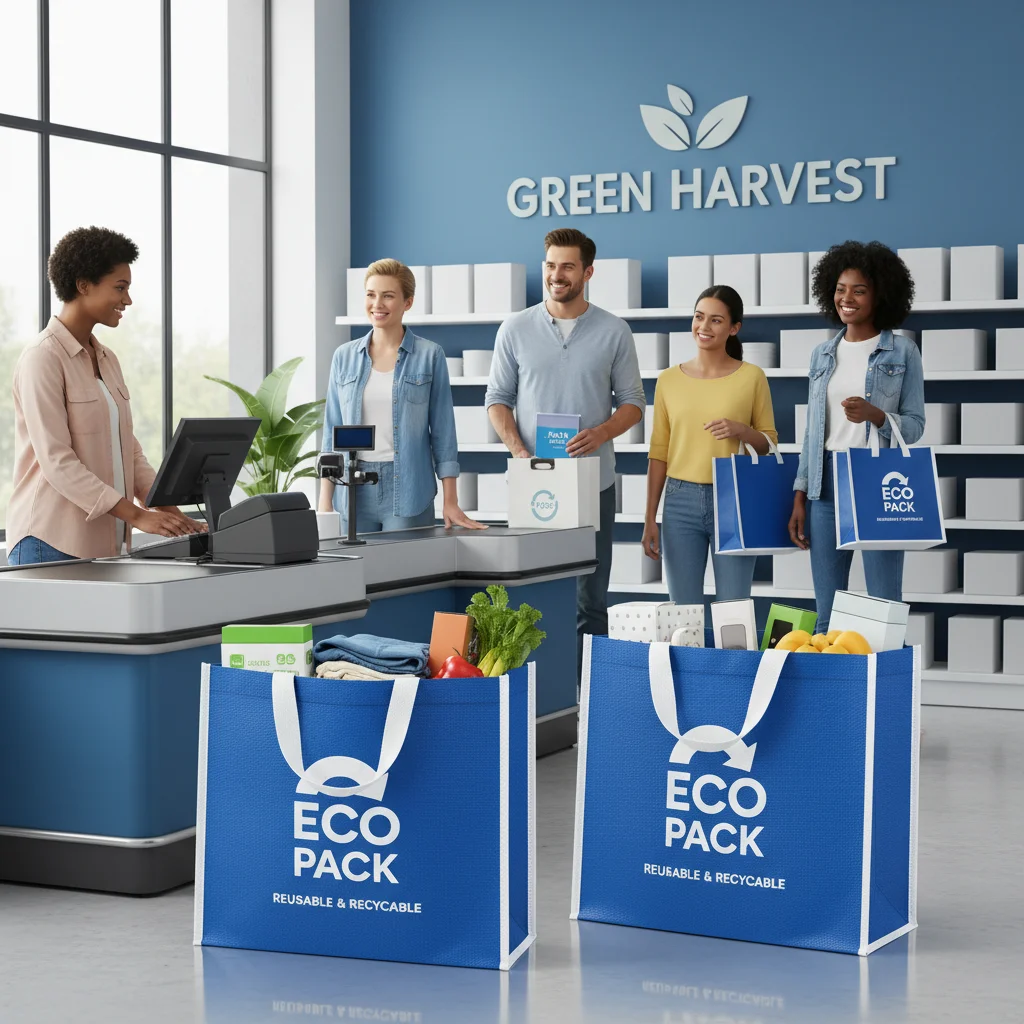
This type of bag directly addresses the need for robust and reliable packaging solutions in a world increasingly reliant on global supply chains. Their adaptability—in size, coating, and printing—makes them applicable across a wide range of industries and product types, cementing their place in modern commerce.
Core Properties of White Woven Polypropylene Bags
The fundamental characteristics of white woven polypropylene bags are directly related to the material itself—polypropylene. PP is a relatively inert material, resistant to most chemicals, solvents, and acids, making these bags ideal for storing and transporting a broad spectrum of products. This chemical resistance, combined with a high melting point, ensures product integrity even under challenging environmental conditions.
Another critical property is the bag's tensile strength, derived from the woven construction. The interlocking pattern of the polypropylene ribbons distributes stress evenly, minimizing the risk of tearing or bursting. The denier of the PP ribbons (thickness) and the weave density (number of ribbons per inch) are key factors influencing the bag's load-bearing capacity and overall durability. white woven polypropylene bags can be customized for specific weight requirements.
Furthermore, polypropylene is lightweight, contributing to lower transportation costs. The bags are also relatively inexpensive to produce, making them an economically viable packaging solution for businesses of all sizes. While not inherently biodegradable, polypropylene is recyclable, though effective recycling infrastructure remains a crucial challenge.
Key Factors Influencing Performance
The performance of white woven polypropylene bags is affected by several interconnected factors. The denier of the polypropylene yarn is paramount; higher denier yarns result in stronger, more durable bags capable of handling heavier loads. The weave pattern itself – whether it’s a standard over-under weave or a more complex pattern – also influences the bag’s tensile strength and tear resistance.
The addition of UV stabilizers is crucial for bags intended for outdoor use. Polypropylene is susceptible to degradation from prolonged exposure to ultraviolet radiation, which can weaken the fabric and reduce its lifespan. Coating options, such as polyethylene lamination, can further enhance the bag’s water resistance, barrier properties, and printability.
Performance Metrics for White Woven Polypropylene Bags
Global Applications and Use Cases
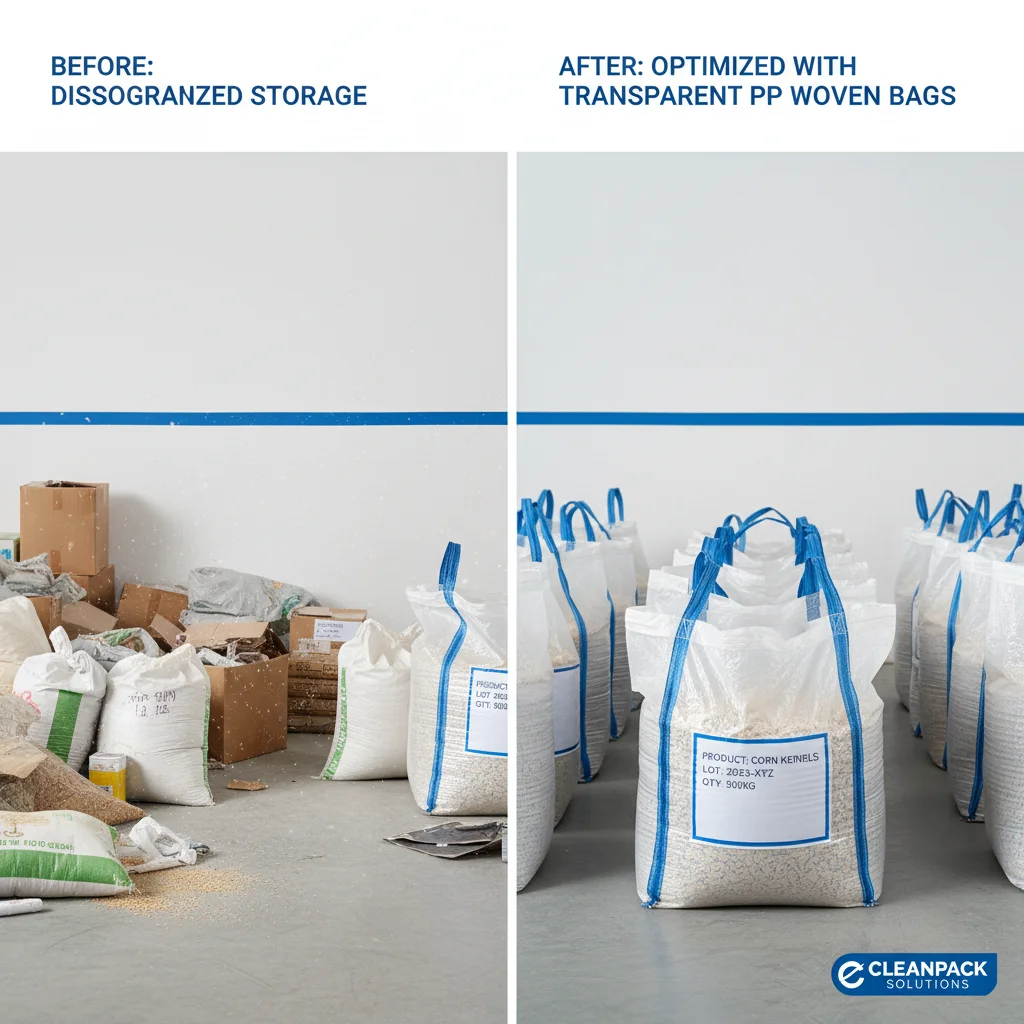
The applications of white woven polypropylene bags are incredibly diverse. In agriculture, they are extensively used for packaging grains, seeds, fertilizers, and produce, offering protection from moisture, pests, and physical damage. In the construction industry, they are employed for packaging cement, sand, and other building materials. white woven polypropylene bags provide a cost-effective and durable solution.
In post-disaster relief operations, these bags are critical for distributing food aid, water, and essential supplies to affected populations. Their strength and water resistance make them suitable for transporting these vital resources even in challenging environments. They are also frequently used in industrial settings for packaging chemicals, plastics, and other bulk materials.
Advantages and Long-Term Value
The primary advantage of white woven polypropylene bags lies in their cost-effectiveness. Compared to other packaging materials like paper or burlap, polypropylene bags offer a significantly lower per-unit cost, making them appealing to businesses operating on tight margins. This affordability doesn't come at the expense of quality; the bags are remarkably durable and resistant to tearing, ensuring product protection during transit and storage.
Beyond the economic benefits, polypropylene offers a relatively sustainable profile compared to some alternatives. While recycling rates need improvement, polypropylene is recyclable, and ongoing research focuses on developing more sustainable manufacturing processes and bio-based polypropylene alternatives. The bags' reliability ensures product integrity and minimizes loss, contributing to long-term value for businesses and organizations.
Future Trends and Innovations
The future of white woven polypropylene bags is closely tied to advancements in material science and sustainability initiatives. Ongoing research is focused on developing bio-based polypropylene derived from renewable resources, offering a more environmentally friendly alternative to traditional fossil fuel-based PP. The incorporation of recycled polypropylene content into bag manufacturing is also gaining traction.
Digital technologies are playing an increasingly important role, with innovations like smart packaging featuring QR codes or RFID tags for track-and-trace capabilities. Automated weaving and coating processes are improving production efficiency and reducing manufacturing costs. The drive towards circular economy principles will undoubtedly shape the future of this versatile packaging solution.
Furthermore, innovations in coating technologies are aimed at creating bags with enhanced barrier properties, extending product shelf life and reducing food waste. These advancements will continue to enhance the value proposition of white woven polypropylene bags in a rapidly evolving global landscape.
Summary of Challenges and Solutions for White Woven Polypropylene Bags
| Challenge |
Impact Area |
Proposed Solution |
Implementation Difficulty (1-10) |
| Low Recycling Rates |
Environmental Sustainability |
Invest in advanced recycling technologies & infrastructure. |
8 |
| Fossil Fuel Dependence |
Resource Depletion |
Develop and adopt bio-based polypropylene alternatives. |
7 |
| UV Degradation |
Bag Lifespan & Durability |
Improve UV stabilizer additives in the PP resin. |
4 |
| Microplastic Pollution |
Environmental Impact |
Develop biodegradable coatings and additives. |
9 |
| Limited Traceability |
Supply Chain Management |
Implement RFID or QR code tracking systems. |
6 |
| Production Cost Sensitivity |
Market Competitiveness |
Optimize manufacturing processes and explore economies of scale. |
5 |
FAQS
White woven polypropylene bags offer significant advantages over burlap, including superior strength and durability, resistance to moisture and pests, and a lighter weight which reduces transportation costs. Polypropylene is also more resistant to tearing and degradation compared to natural fibers like jute. They are also more easily customized for printing and labeling, offering better branding opportunities.
Yes, white woven polypropylene bags are technically recyclable. However, the actual recycling rate is relatively low due to logistical challenges and the lack of widespread recycling infrastructure specifically designed for polypropylene. Contamination with other materials during use also hinders the process. Improvements in sorting technologies and increased consumer awareness are crucial for boosting recycling rates.
UV stabilizers are essential additives that protect polypropylene from degradation caused by ultraviolet radiation. Without these stabilizers, prolonged exposure to sunlight can cause the bag material to become brittle, discolored, and lose its strength. Adding UV stabilizers significantly extends the bag's lifespan when used outdoors, preventing premature failure and maintaining its integrity.
The lead time for custom-printed white woven polypropylene bags typically ranges from 4 to 8 weeks, depending on the complexity of the design, the quantity ordered, and the manufacturer’s current production schedule. Factors like artwork approval, printing plate creation, and bag production all contribute to the overall timeframe. It’s advisable to plan well in advance to ensure timely delivery.
The cost of white woven polypropylene bags is influenced by several factors, including the bag's size, weight capacity, denier of the PP yarn, coating type, printing requirements, and order quantity. Shipping costs and any applicable tariffs or import duties also contribute to the overall price. Obtaining quotes from multiple suppliers is recommended to ensure competitive pricing.
Yes, white woven polypropylene bags can be manufactured to meet food-grade standards. This requires using food-safe polypropylene resin and ensuring the manufacturing process adheres to strict hygiene protocols. Bags intended for food contact should be certified by relevant regulatory bodies to guarantee their safety and compliance with food packaging regulations.
Conclusion
White woven polypropylene bags remain an indispensable component of global supply chains, providing a versatile, cost-effective, and reliable packaging solution across a wide range of industries. Their inherent strength, chemical resistance, and adaptability contribute to their continued relevance, despite growing concerns about plastic waste. Embracing sustainable practices, such as increased recycling rates and the development of bio-based alternatives, is crucial for mitigating environmental impact and ensuring the long-term viability of this essential packaging material.
Looking forward, innovation in material science, coupled with advancements in digital tracking and automation, will further enhance the performance and sustainability of white woven polypropylene bags. Investing in robust recycling infrastructure and promoting responsible sourcing practices are essential steps towards creating a circular economy for polypropylene. For high-quality and customizable white woven polypropylene bags, visit our website: www.ssjtpack.com