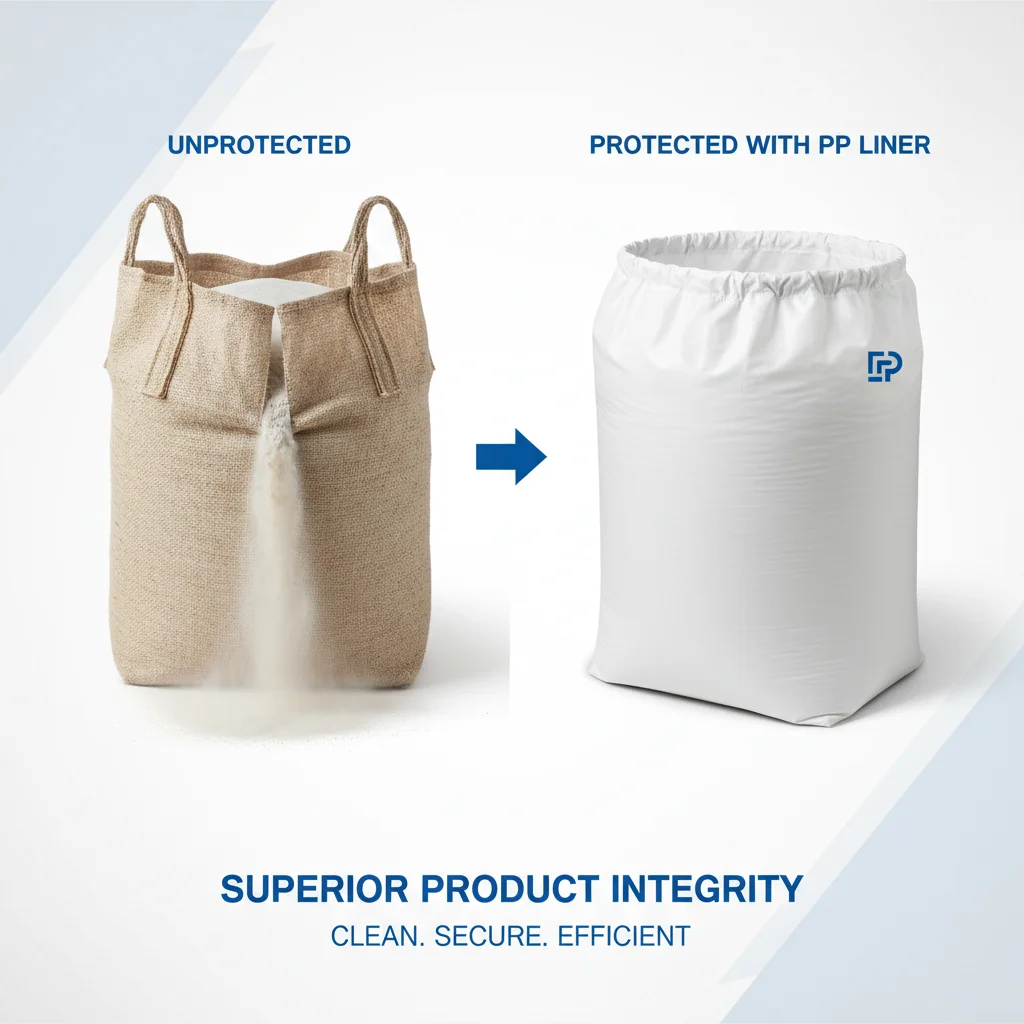
Sustainable Solutions Recycled PP Woven Bags for a Greener Future
  • Home
  • top blog
0%

Table of Contents

The global demand for sustainable packaging solutions is rapidly increasing, driven by environmental concerns and stricter regulations. recycled pp woven bag are emerging as a crucial component in this shift, offering a robust and environmentally responsible alternative to traditional packaging materials. Understanding the benefits, applications, and future potential of these bags is essential for businesses and organizations striving for sustainability.

The widespread use of single-use plastics has created a significant waste management challenge globally. recycled pp woven bag address this issue by repurposing plastic waste, reducing landfill burden, and minimizing the environmental impact of packaging. This makes them increasingly vital in a circular economy model.

Beyond environmental benefits, these bags provide a cost-effective and durable packaging solution for a diverse range of industries, from agriculture and construction to retail and disaster relief. Their versatility and strength make them a practical and responsible choice for various applications.
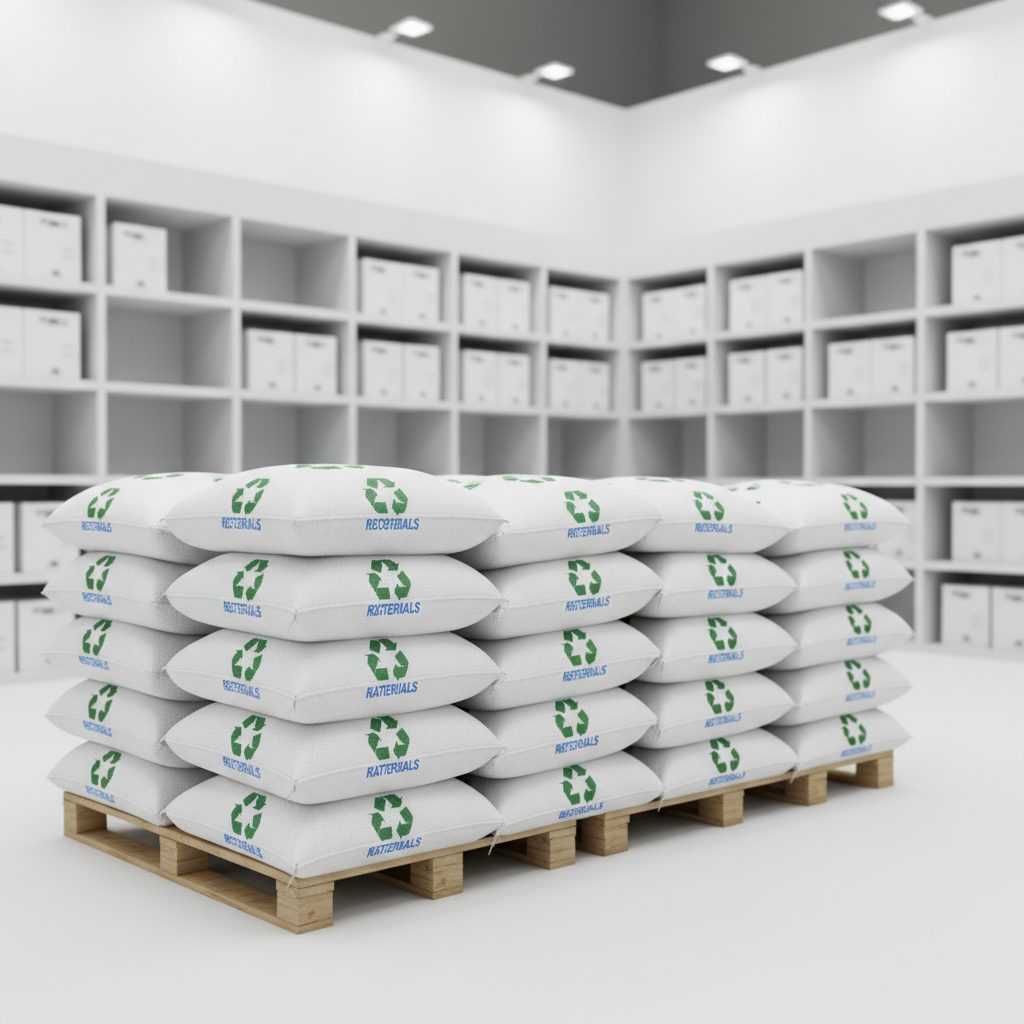
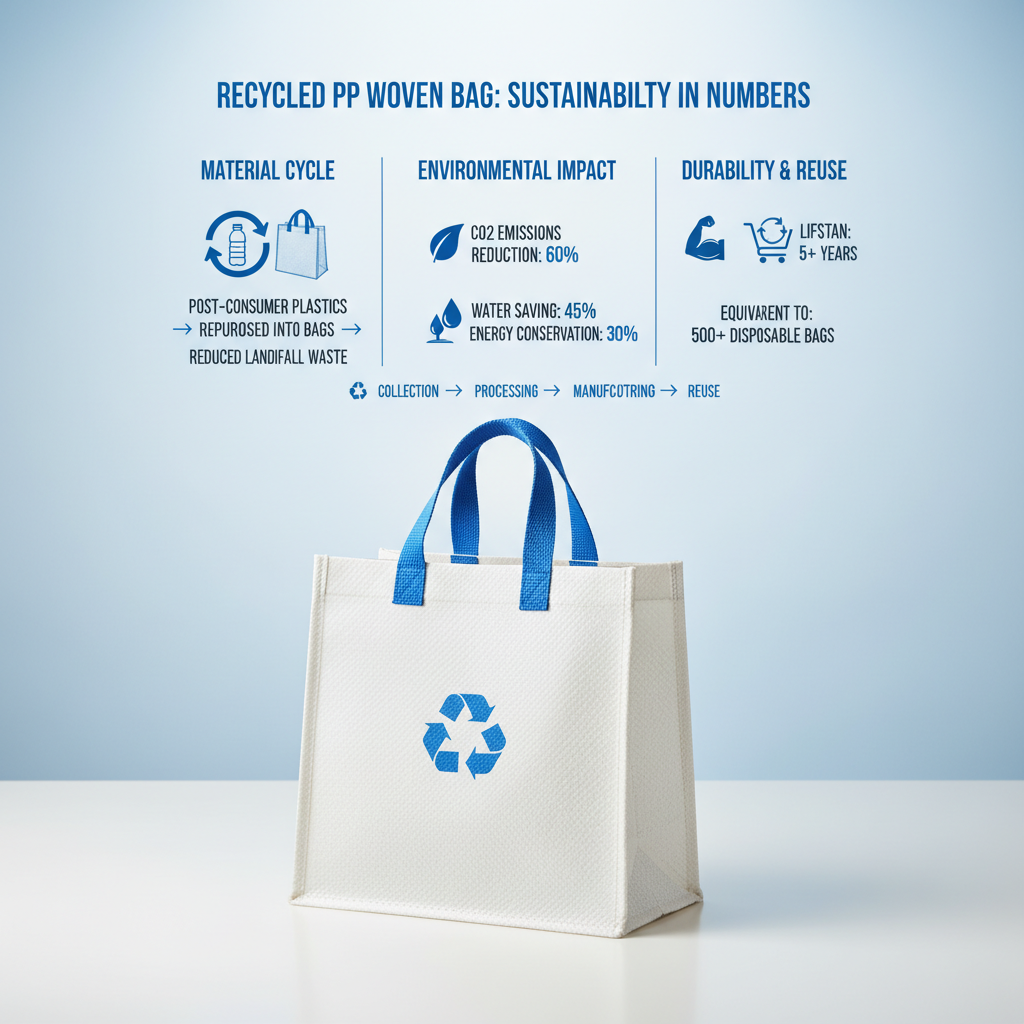
recycled pp woven bag

The Significance of recycled pp woven bag

recycled pp woven bag

recycled pp woven bag represent a significant step towards a more sustainable future in packaging. They aren’t just about reducing waste; they’re about creating a circular economy where materials are continuously reused, minimizing our reliance on virgin plastics and conserving valuable resources.

Their increasing prominence is directly linked to growing global awareness of the plastic pollution crisis. By utilizing recycled polypropylene, these bags help mitigate the environmental damage caused by plastic accumulation in landfills and oceans, offering a practical solution for businesses committed to environmental stewardship.

Understanding recycled pp woven bag

recycled pp woven bag are manufactured from polypropylene (PP) plastic that has been recovered from various waste streams – post-consumer recycling, industrial scrap, or agricultural film. This recycled material is then processed, cleaned, and extruded into filaments that are woven together to create a strong, durable fabric.

These bags are distinctly different from traditional woven polypropylene bags in that they leverage existing plastic resources rather than requiring the production of new plastic polymers. This drastically reduces the carbon footprint associated with their manufacture and helps to conserve fossil fuels.

The connection to modern industry and humanitarian needs lies in their versatility. They can be tailored to specific requirements, making them suitable for a wide range of applications from packaging agricultural produce to providing shelter materials in disaster relief situations.

Core Characteristics of recycled pp woven bag

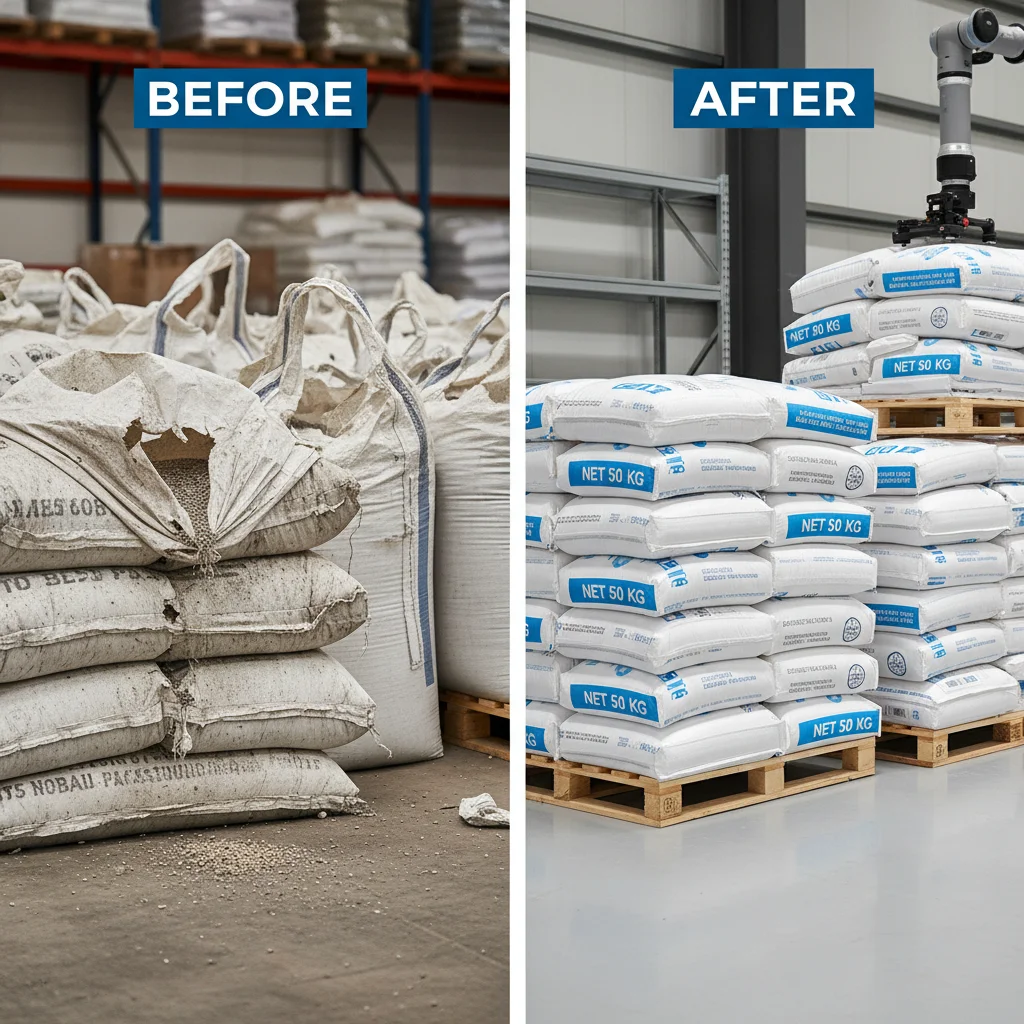
One of the most significant features of recycled pp woven bag is their strength-to-weight ratio. Polypropylene itself is a remarkably strong material, and the woven construction further enhances its durability, allowing these bags to withstand heavy loads and rigorous handling.

Their water resistance is another crucial characteristic, making them suitable for packaging and transporting goods in various weather conditions. This is especially important for agricultural products, building materials, and other items sensitive to moisture.

The versatility of polypropylene also allows for the addition of UV stabilizers and other additives, enhancing the bag's resistance to sunlight and extending its lifespan. Furthermore, the material can be easily printed on, allowing for branding and product information to be clearly displayed.

Key Performance Indicators of recycled pp woven bag

Evaluating the performance of recycled pp woven bag requires considering several key indicators. These metrics provide insights into their efficiency, durability, and overall sustainability.

Analyzing these factors is crucial for determining the best application for these bags and ensuring they meet specific requirements.

Performance Comparison of recycled pp woven bag Manufacturing Methods

Real-World Applications of recycled pp woven bag

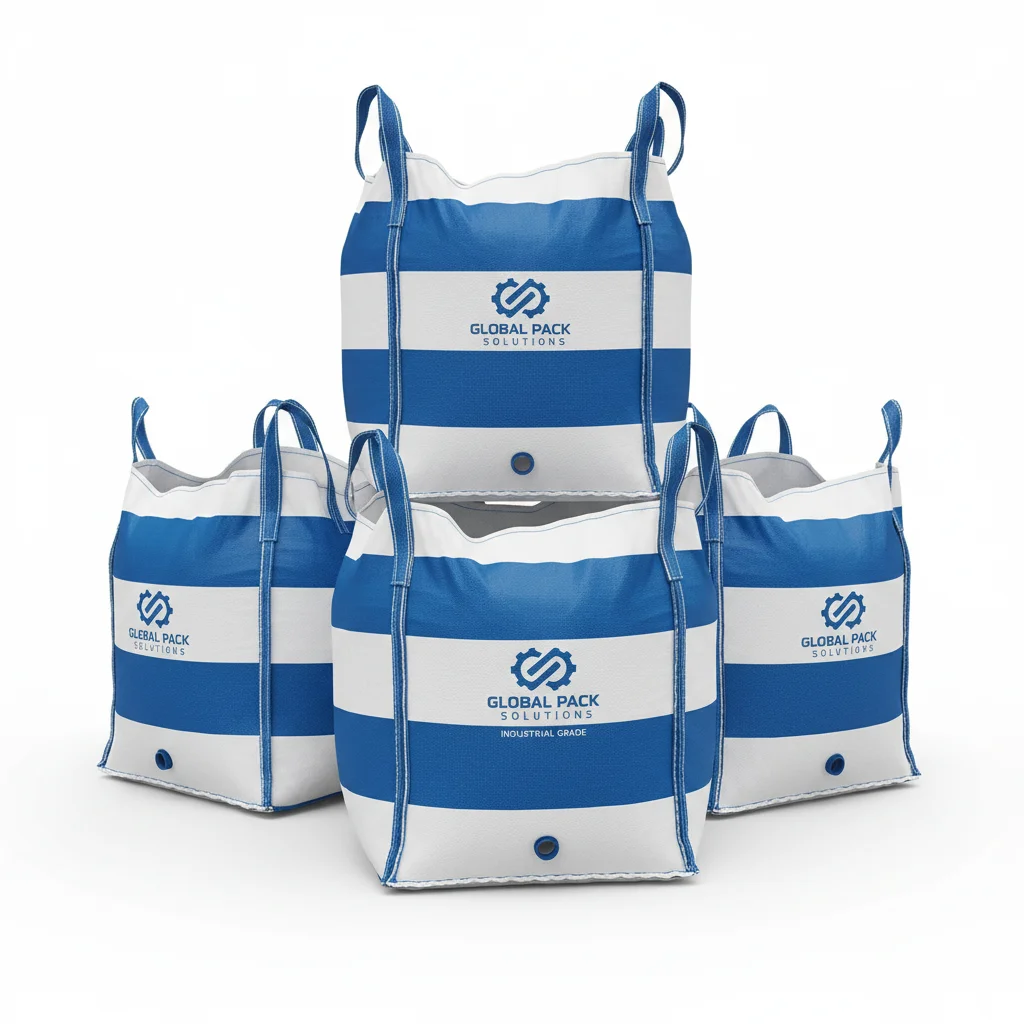
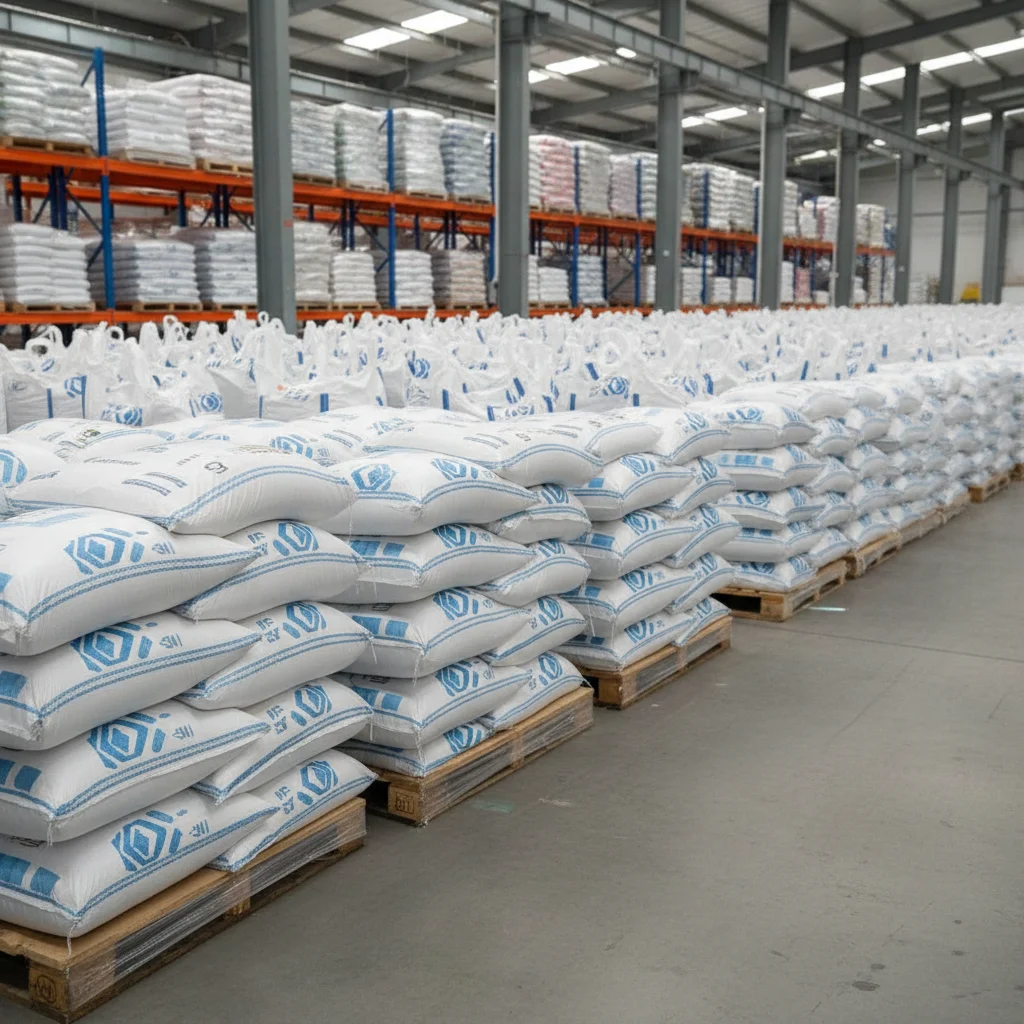
recycled pp woven bag find diverse applications across a range of industries. In agriculture, they are extensively used for packaging grains, fertilizers, and animal feed, providing a durable and cost-effective solution for transporting these goods.

The construction industry utilizes them for packaging cement, sand, and other building materials. In post-disaster relief operations, these bags are often repurposed into temporary shelters, sandbags for flood control, or containers for distributing essential supplies.

Advantages and Long-Term Value

The advantages of choosing recycled pp woven bag are multifaceted. Cost-efficiency is a major draw, as recycled materials often translate to lower production costs compared to virgin plastics. Sustainability, of course, is paramount, reducing reliance on fossil fuels and minimizing environmental impact.

Beyond the tangible benefits, these bags offer a positive social impact by supporting recycling initiatives and reducing landfill waste. Their durability and reliability build trust with consumers and demonstrate a commitment to responsible packaging.

Future Trends and Sustainability in recycled pp woven bag

The future of recycled pp woven bag is linked to advancements in recycling technologies and the development of more sophisticated polypropylene recycling processes. Investments in chemical recycling, which can break down plastic polymers into their original building blocks, will further enhance the circularity of these materials.

Increased adoption of digital traceability systems will enable better tracking of recycled content, ensuring transparency and accountability throughout the supply chain. Furthermore, research into bio-based additives and coatings could further enhance the sustainability profile of these bags.

Policy changes incentivizing the use of recycled materials and promoting extended producer responsibility will also play a crucial role in driving the widespread adoption of recycled pp woven bag and other sustainable packaging solutions.

Summary of Challenges and Solutions in recycled pp woven bag Implementation

Challenge Impact on recycled pp woven bag Potential Solution Implementation Cost (1-10)
Contamination of Recycled PP Reduced material quality, increased processing costs. Advanced sorting and cleaning technologies. 7
Fluctuating Recycled Material Prices Unpredictable production costs, impacting profitability. Long-term contracts with recycling suppliers. 5
Limited Availability of Recycled PP Constraints on production capacity, hindering scalability. Investment in recycling infrastructure. 9
Public Perception and Branding Potential consumer skepticism about recycled product quality. Transparent communication about recycling processes and quality control. 4
Lack of Standardized Recycling Systems Inconsistent recycling rates and material quality across regions. Harmonization of recycling regulations and infrastructure. 8
Technical Challenges in Weaving Recycled PP Potential for weaker or less consistent fabric. Optimizing weaving parameters and using additives to enhance material strength. 6

FAQS

What are the main environmental benefits of using recycled pp woven bags?

Using recycled pp woven bag significantly reduces the demand for virgin plastic production, lessening our dependence on fossil fuels and lowering carbon emissions. It diverts plastic waste from landfills and oceans, minimizing pollution and protecting ecosystems. Furthermore, the recycling process itself consumes less energy compared to creating new plastic, contributing to a smaller environmental footprint.

Are recycled pp woven bags as durable as those made from virgin polypropylene?

Generally, yes. Modern recycling processes produce high-quality recycled polypropylene that maintains a significant portion of the strength and durability of virgin material. The weaving process further enhances the structural integrity of the bags. However, the specific durability can vary based on the source of the recycled material and the manufacturing process.

Can recycled pp woven bags be customized with printing and branding?

Absolutely. recycled pp woven bag can be easily printed on using various techniques, allowing for customization with logos, branding, and product information. The print quality is generally comparable to that of bags made from virgin polypropylene.

What are the typical applications for recycled pp woven bags?

These bags are incredibly versatile and used in a wide range of applications, including packaging for agricultural products (grains, fertilizers), building materials (cement, sand), food products, retail goods, and even disaster relief supplies. They are also used for industrial packaging and shipping.

How does the cost of recycled pp woven bags compare to traditional pp woven bags?

The cost of recycled pp woven bag can sometimes be slightly higher than traditional bags, depending on market conditions and the availability of recycled materials. However, as demand increases and recycling infrastructure improves, the price gap is narrowing, and in some cases, recycled bags can be more cost-effective.

What certifications or standards should I look for to ensure a bag is truly recycled?

Look for certifications such as the Global Recycled Standard (GRS) or Recycled Claim Standard (RCS) which verify the recycled content of the material. Transparency from the supplier about the source of the recycled polypropylene and their manufacturing processes is also crucial.

Conclusion

In conclusion, recycled pp woven bag offer a compelling solution to the growing challenges of plastic waste and environmental sustainability. Their durability, cost-effectiveness, and versatility make them a practical choice for a wide range of applications, while their use significantly reduces reliance on virgin plastics and supports a circular economy.

Looking ahead, continued innovation in recycling technologies, increased investment in recycling infrastructure, and supportive government policies will be vital for accelerating the adoption of these bags and maximizing their positive impact. Choosing recycled pp woven bag isn’t just a responsible business decision; it's an investment in a healthier and more sustainable future.

Ethan Blake

Ethan Blake

Ethan Blake is a Production Manager at Hebei Shengshi Jintang Packaging, responsible for overseeing the efficient and high-quality manufacturing of our back-seam and pinch bottom bags. Ethan brings 12 years of experience in industrial production and a strong focus on lean manufacturing principles. He leads a team of dedicated production
Previous Exploring the Versatility and Applications of Printed PP Woven Bags
Next Comprehensive Guide to Transparent PP Woven Bags and Their Applications

If you are interested in our products, you can choose to leave your information here, and we will be in touch with you shortly.