50 kg woven polypropylene plastic bags are a cornerstone of modern global logistics and humanitarian aid. Their robust construction, cost-effectiveness, and versatility have made them indispensable for transporting and storing a vast array of goods, from agricultural products and building materials to emergency supplies and industrial components. Understanding their properties, applications, and future trends is crucial for businesses, aid organizations, and policymakers alike.
These bags play a critical role in facilitating international trade, enabling efficient supply chains, and ensuring food security. The demand for 50 kg woven polypropylene plastic bags is steadily increasing, particularly in developing nations where they are vital for supporting economic growth and providing essential resources. Their lightweight nature compared to traditional packaging materials also reduces transportation costs and environmental impact.
However, the widespread use of these bags also presents environmental challenges, primarily concerning plastic waste. Innovation in materials and recycling technologies is therefore essential to ensure their sustainable production and disposal, aligning with global efforts to reduce plastic pollution and promote a circular economy.
Introduction to 50 kg woven polypropylene plastic bags
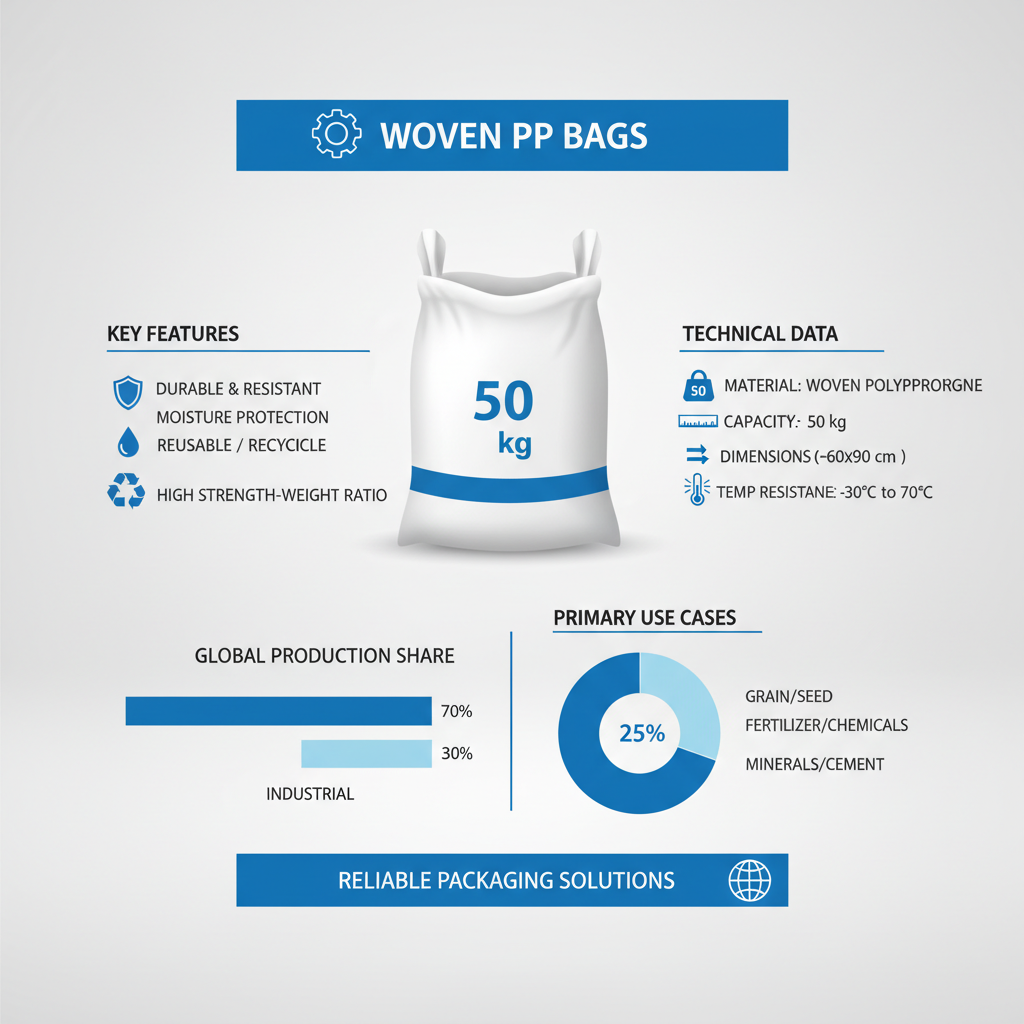
50 kg woven polypropylene plastic bags are a ubiquitous sight in global commerce, serving as a fundamental packaging solution across numerous industries. Their design, typically involving tightly woven polypropylene threads, provides exceptional strength and durability, capable of withstanding significant weight and handling stresses. They are frequently used for transporting grains, fertilizers, chemicals, and other bulk materials.
These bags are favored for their relatively low cost and ease of manufacture, making them accessible to a wide range of businesses and organizations. The polypropylene material is also resistant to moisture, chemicals, and tearing, ensuring the integrity of the packaged contents during transit and storage. You can find more information about different bag sizes at 50 kg woven polypropylene plastic bags.
Global Relevance and Industry Context
The global market for woven polypropylene bags, including the 50 kg variety, is substantial and continues to grow, driven by expanding agricultural production, increasing industrial activity, and a rising demand for efficient logistics solutions. According to industry reports, the market is projected to reach billions of dollars in the coming years. The United Nations and the World Food Programme frequently rely on these bags for distributing food aid in emergency situations.
The primary challenge facing the industry is the environmental impact of plastic waste. Current estimates suggest that a significant percentage of polypropylene bags end up in landfills or polluting ecosystems. This necessitates a shift towards sustainable materials, improved recycling infrastructure, and innovative waste management practices. Addressing this challenge is critical for maintaining the long-term viability of 50 kg woven polypropylene plastic bags.
The ISO standards related to packaging and transportation directly influence the quality and safety requirements for these bags, ensuring they meet international benchmarks for durability and handling. Compliance with these standards is paramount for businesses engaged in global trade.
Defining 50 kg Woven Polypropylene Plastic Bags
A 50 kg woven polypropylene plastic bag is a flexible packaging container typically constructed from polypropylene resin, extruded into tapes and then woven into a fabric. This fabric is then coated, often with polyethylene, to enhance its strength, water resistance, and printability. The “50 kg” designation refers to the approximate weight capacity the bag is designed to safely hold.
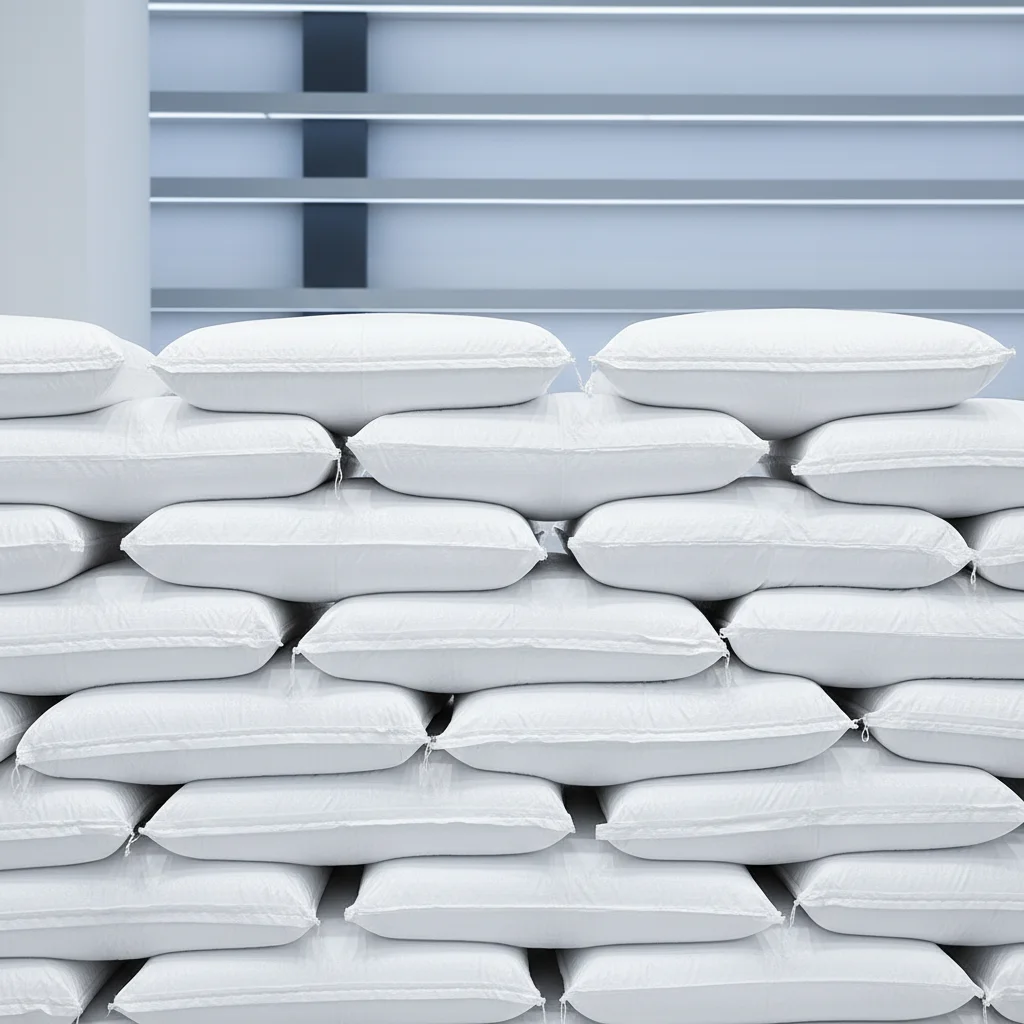
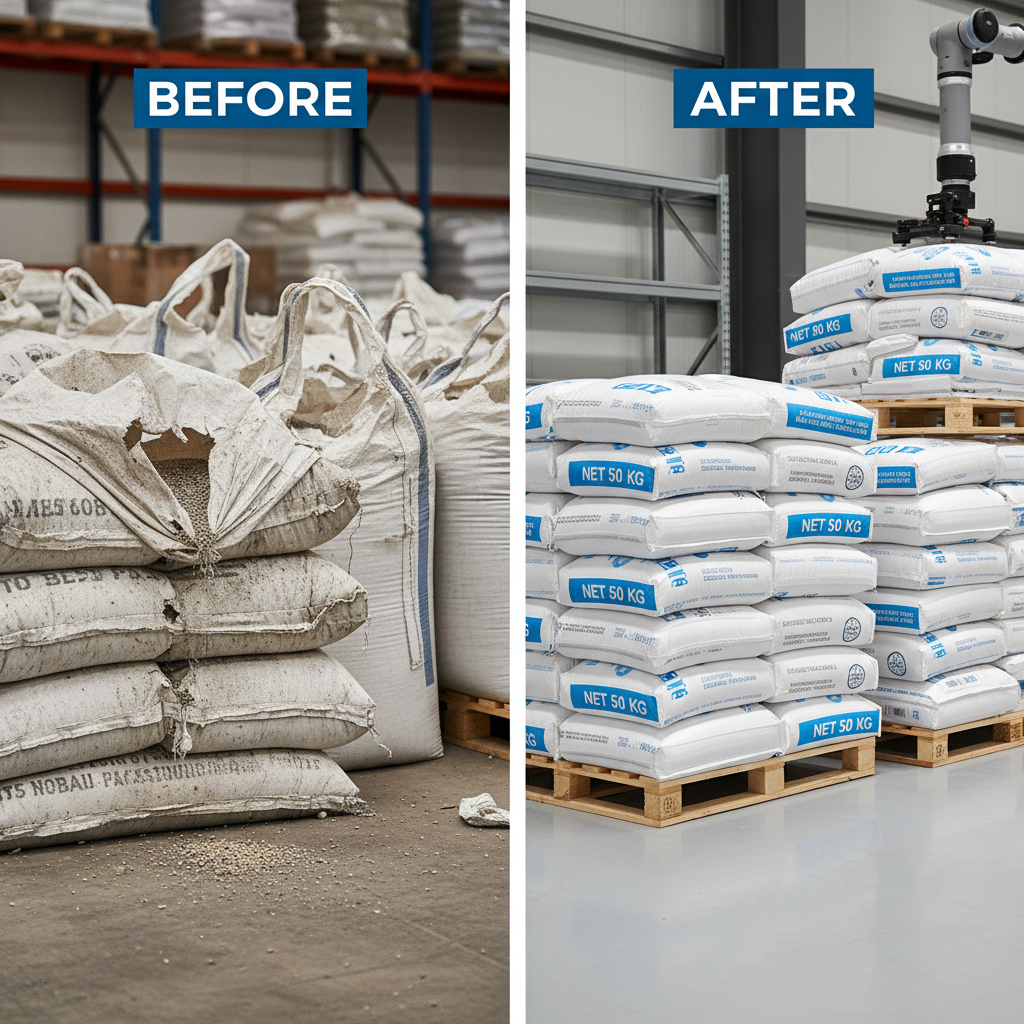
These bags are integral to modern supply chains, particularly in sectors like agriculture, where they are used to transport and store grains, seeds, and fertilizers. In the chemical industry, they safely contain and transport powders and granules. Their robust nature makes them a preferred choice over paper or other less durable packaging options, contributing to reduced product loss and damage during handling and transit.
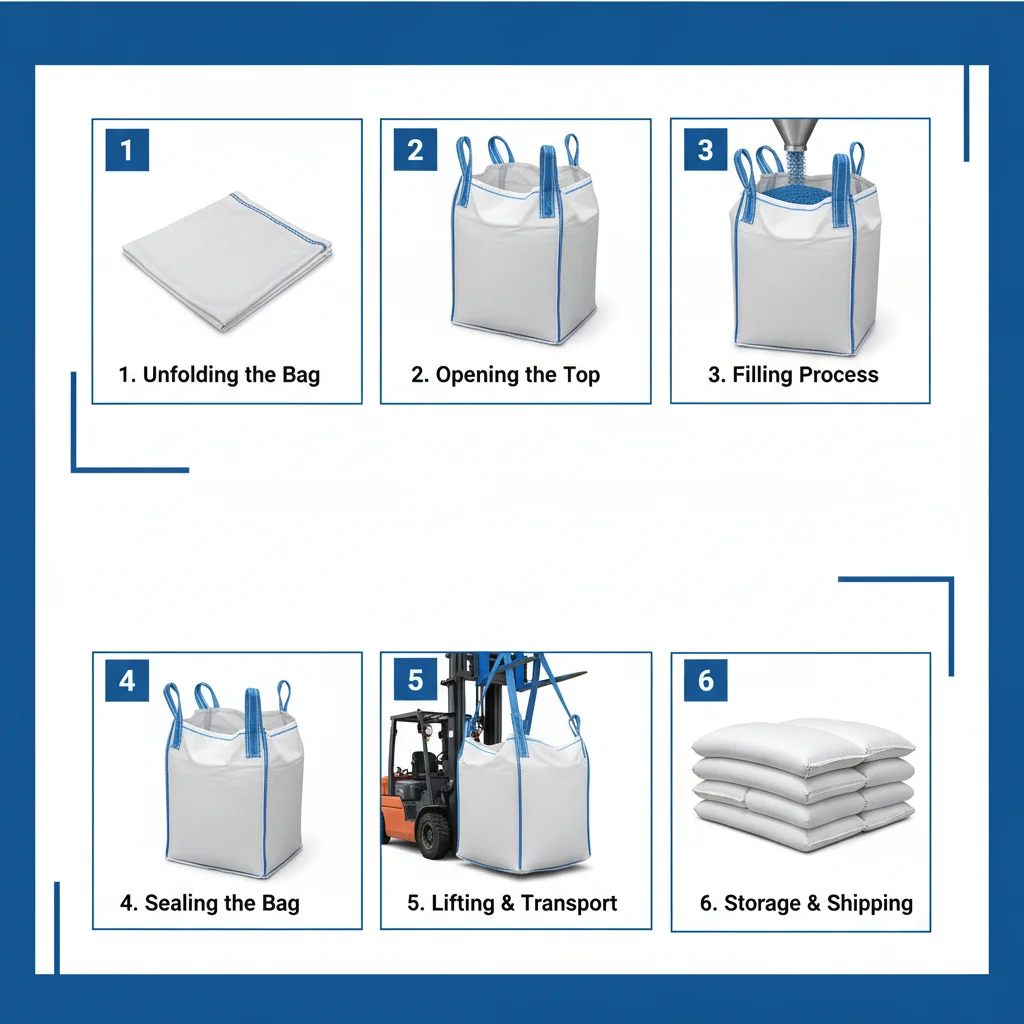
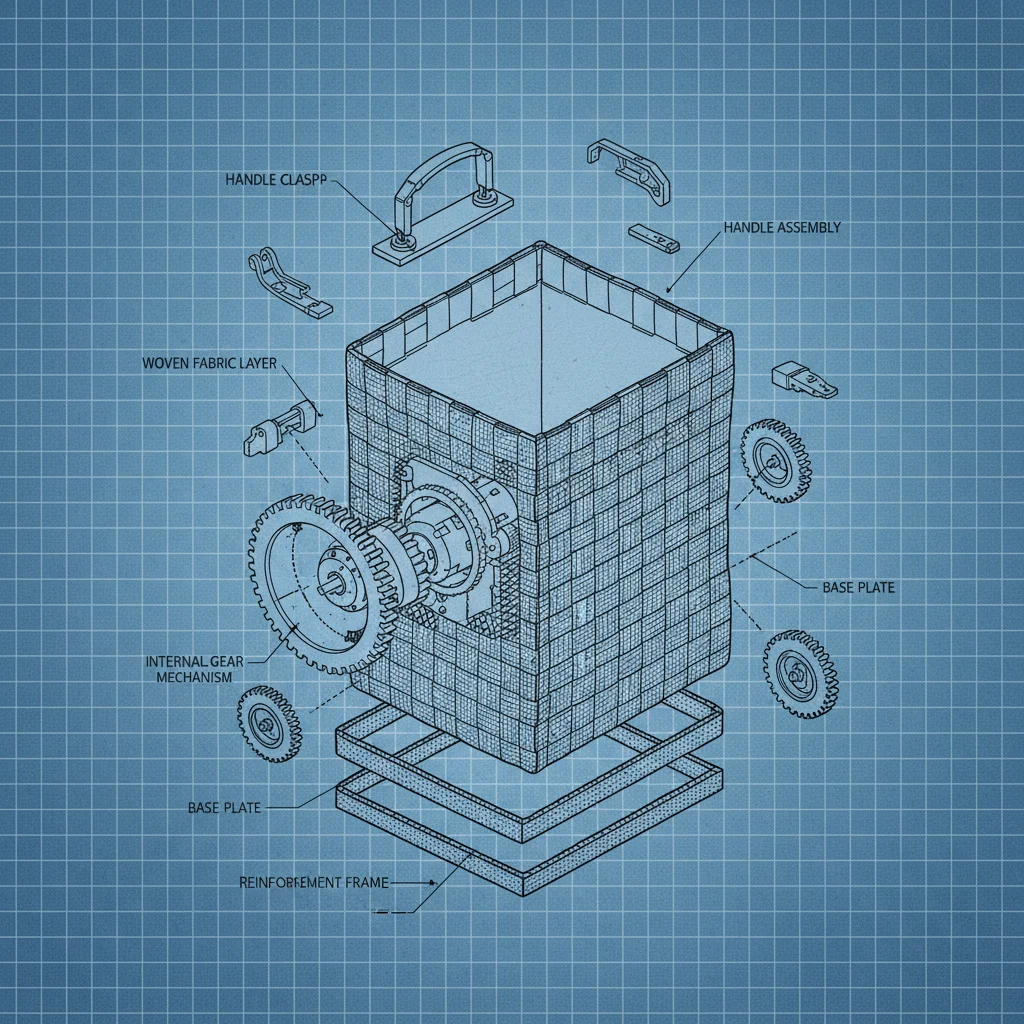
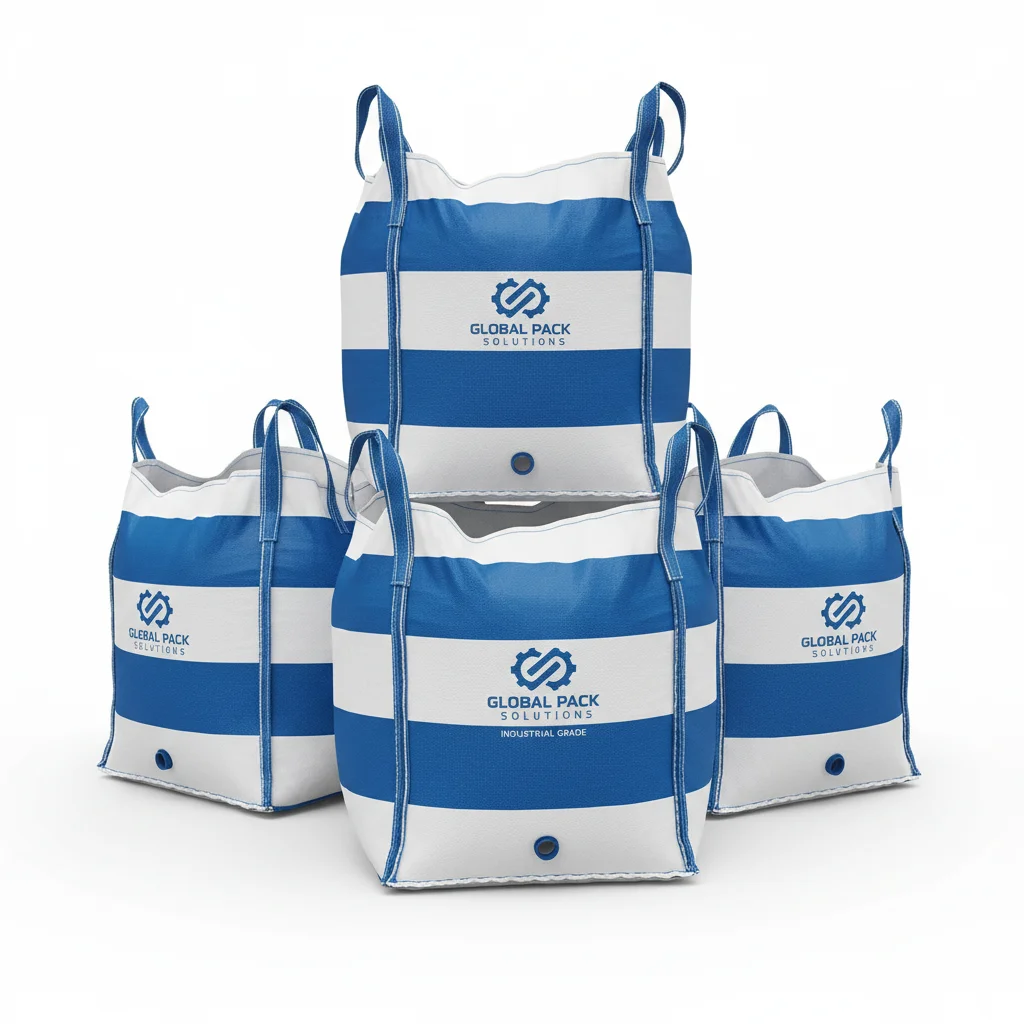
The design of these bags often includes features like filling and discharging spouts, handles, and gussets to facilitate efficient handling and storage. Customization options, such as printing with logos and product information, are also widely available, enhancing branding and traceability.
Key Factors and Core Components
The inherent strength of 50 kg woven polypropylene plastic bags is a core attribute, stemming from the tightly woven polypropylene threads. This ensures the bags can withstand the rigors of handling, transportation, and storage without tearing or bursting. This durability minimizes product loss and maintains the integrity of the contents.
Another key factor is cost-efficiency. Polypropylene is a relatively inexpensive material, and the manufacturing process is well-established, resulting in a cost-effective packaging solution. This makes 50 kg woven polypropylene plastic bags particularly attractive for businesses operating on tight margins.
Comparative Analysis of 50 kg woven polypropylene plastic bags Manufacturing Methods
Global Applications and Use Cases
In the agricultural sector, 50 kg woven polypropylene plastic bags are extensively used for packaging and transporting grains such as rice, wheat, and maize. This is especially prominent in regions with large-scale agricultural production, like Asia and South America. These bags enable efficient storage and transportation, reducing post-harvest losses.
During post-disaster relief operations, these bags are crucial for delivering essential supplies like food, water, and clothing to affected communities. Their durability and water resistance make them ideal for protecting these items from the elements. They’re commonly employed by organizations like the Red Cross and the World Food Programme.
Advantages and Long-Term Value
The primary advantage of 50 kg woven polypropylene plastic bags is their cost-effectiveness. Compared to alternative packaging materials like jute or cotton, polypropylene offers a significantly lower price point, making it accessible to a wider range of businesses. This economic benefit directly contributes to reduced supply chain costs.
Beyond cost, the durability of these bags translates to a reduction in product loss and damage during transit, minimizing waste and enhancing overall efficiency. The reliability of these bags also builds trust with customers, ensuring they receive products in optimal condition. Long-term, embracing sustainable polypropylene options further enhances brand reputation and contributes to environmental responsibility.
Future Trends and Innovations
The future of 50 kg woven polypropylene plastic bags is inextricably linked to sustainability. Innovations in bioplastics and recycled polypropylene are gaining traction, offering environmentally friendly alternatives to traditional petroleum-based materials. These materials aim to reduce the carbon footprint and minimize plastic waste.
Digital transformation is also playing a role, with the integration of technologies like RFID tags and QR codes for enhanced traceability and supply chain management. This allows for real-time tracking of goods, improving transparency and reducing the risk of counterfeiting. Automation in the manufacturing process will increase efficiency and lower production costs.
Furthermore, research into biodegradable coatings and additives is ongoing, aiming to accelerate the decomposition of polypropylene in landfill environments. These advancements will be crucial for mitigating the environmental impact of these widely used bags.
FAQS
The lifespan of a 50 kg woven polypropylene plastic bag varies depending on usage and environmental conditions. However, with proper handling and protection from prolonged UV exposure, a well-constructed bag can withstand multiple fill and unload cycles, typically lasting between 6 months to 2 years. The quality of the polypropylene resin and the weaving density significantly influence longevity.
Yes, polypropylene is a recyclable plastic. However, recycling rates for woven polypropylene bags are currently relatively low due to challenges in collection and sorting. Efforts are underway to improve recycling infrastructure and promote the use of recycled polypropylene in new bag production. Check with your local recycling facilities for specific guidelines.
Prolonged exposure to direct sunlight (UV radiation) can degrade the polypropylene material, leading to brittleness and reduced strength. Extreme cold can also make the plastic more susceptible to cracking. For applications in harsh climates, UV-stabilized polypropylene bags or protective coverings are recommended.
Look for bags that meet relevant ISO standards and are manufactured by reputable suppliers. Check for consistent weaving density, secure seams, and proper coating thickness. Request material safety data sheets (MSDS) to verify the composition and absence of harmful chemicals. A reliable supplier will provide quality assurance documentation.
Alternatives include bags made from recycled polypropylene, biodegradable plastics (although these are often more expensive), or natural fibers like jute or hemp. Each alternative has its own trade-offs in terms of cost, durability, and environmental impact. Selecting the best alternative depends on the specific application and priorities.
Yes, 50 kg woven polypropylene plastic bags are commonly customized with printing. Flexographic printing is the most common method, allowing for the application of logos, product information, and other branding elements. The printing process is typically durable and resistant to fading. You can explore customization options with suppliers like 50 kg woven polypropylene plastic bags.
Conclusion
50 kg woven polypropylene plastic bags remain an essential component of global logistics and commerce, offering a unique combination of strength, cost-effectiveness, and versatility. Their widespread use highlights their critical role in agriculture, humanitarian aid, and industrial supply chains. However, addressing the environmental challenges associated with plastic waste is paramount for ensuring their long-term sustainability.
Looking ahead, continued innovation in materials, recycling technologies, and sustainable manufacturing practices will be crucial. Embracing a circular economy approach, where polypropylene is reused and recycled effectively, is essential for mitigating the environmental impact and maximizing the benefits of these ubiquitous bags. Visit our website at www.ssjtpack.com to explore our range of high-quality 50 kg woven polypropylene plastic bags and learn more about our commitment to sustainability.