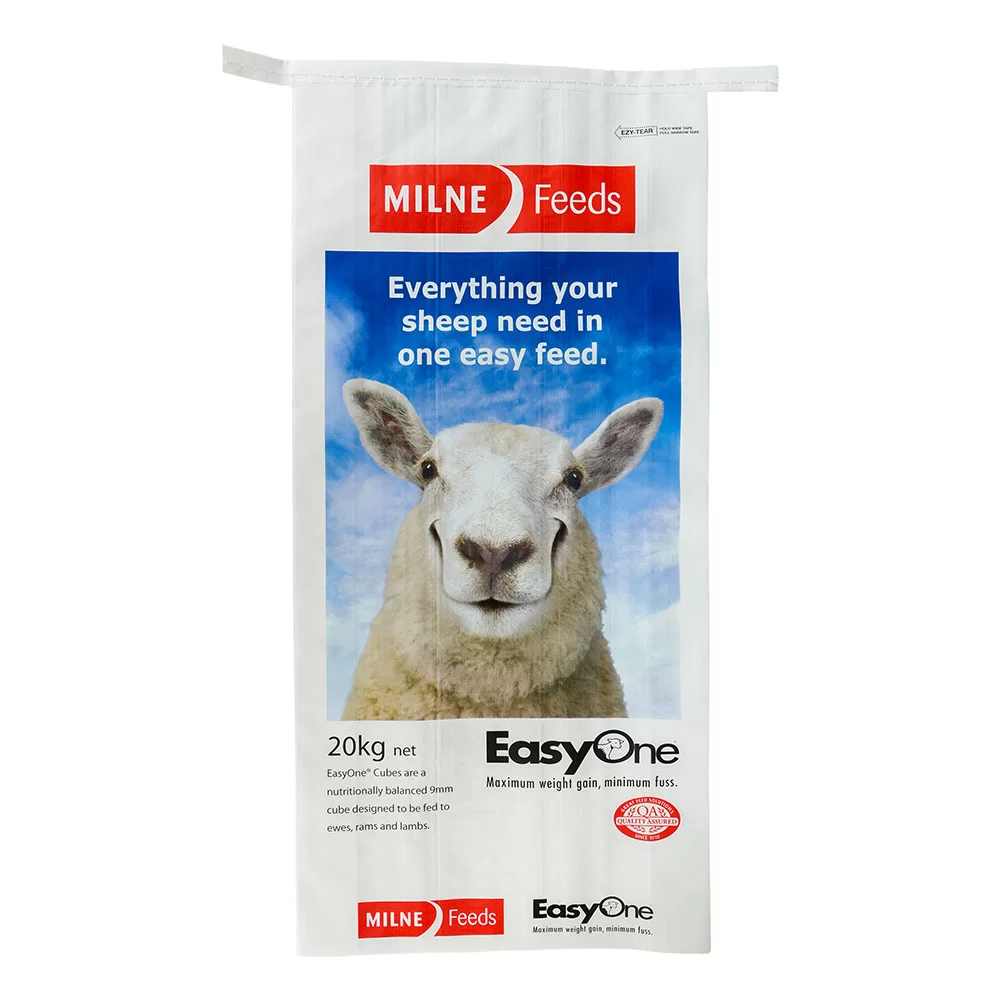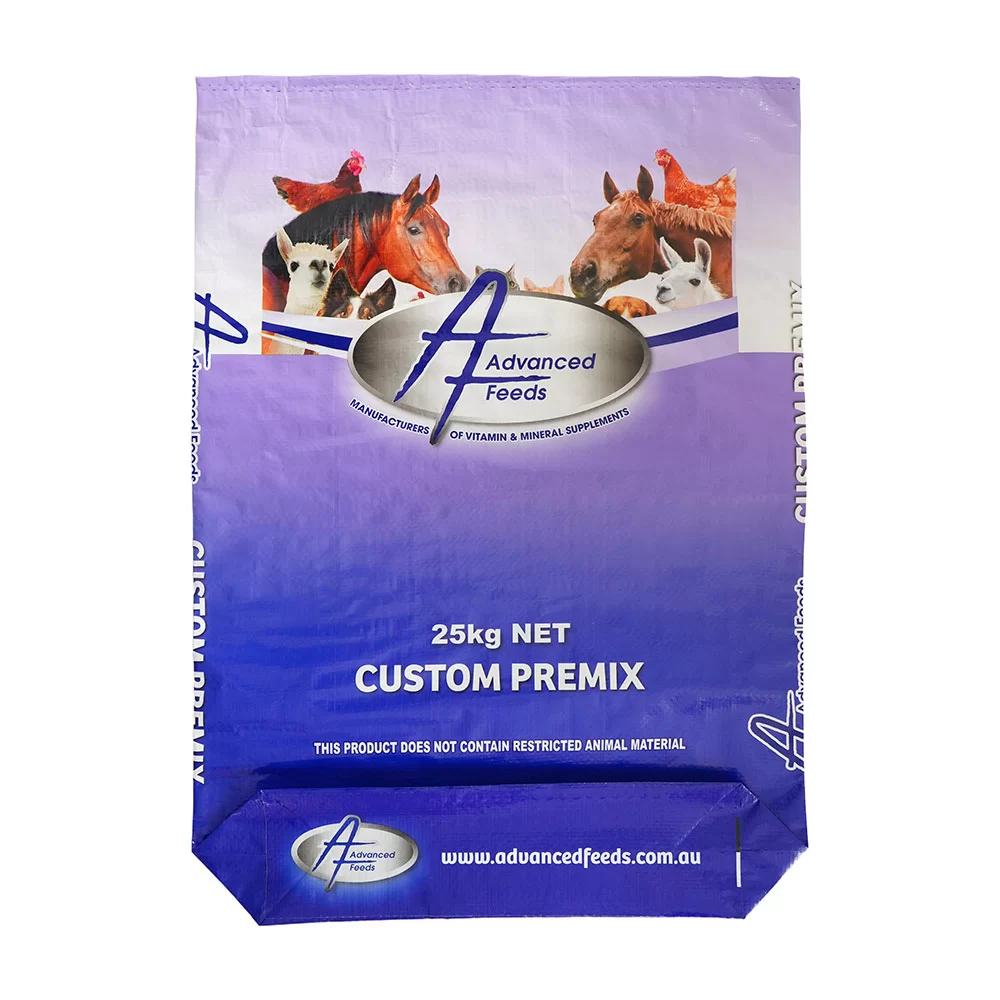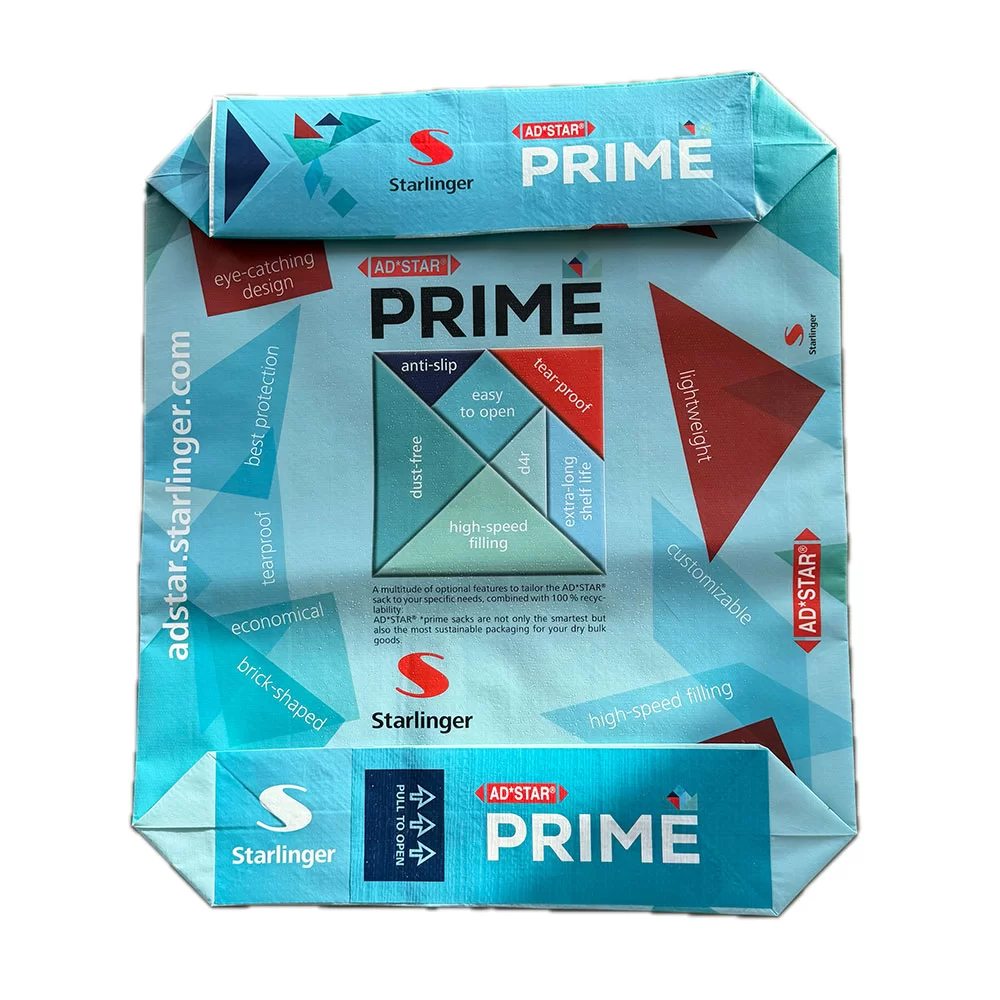
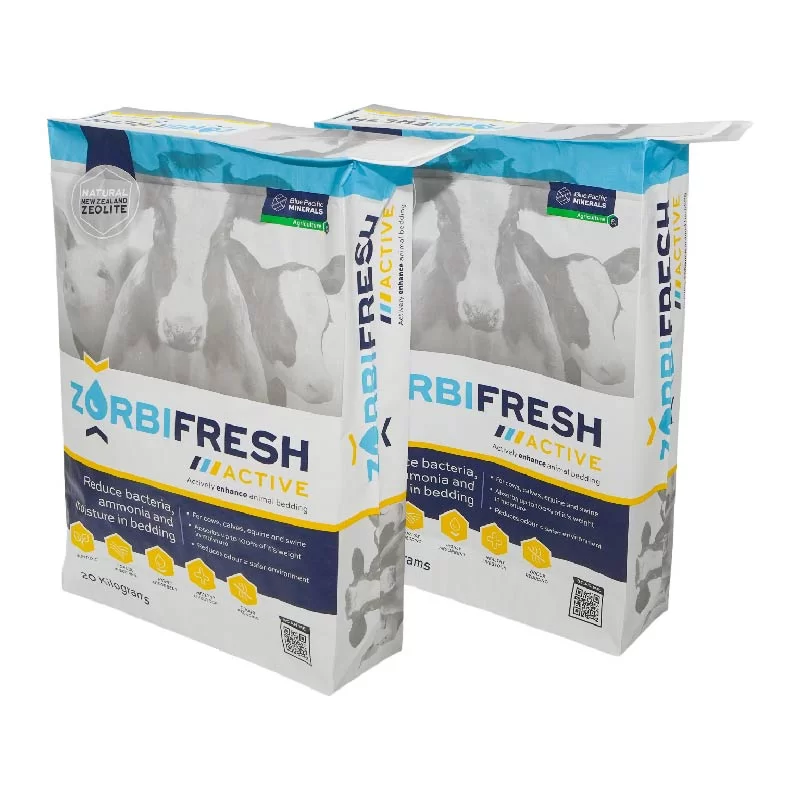
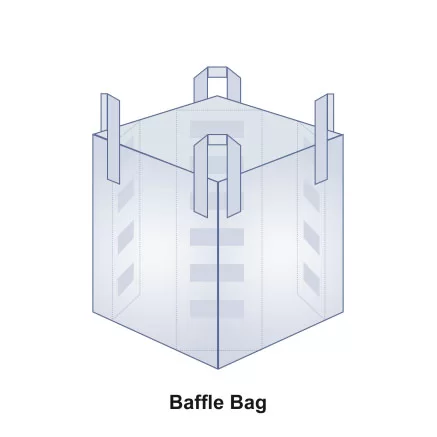
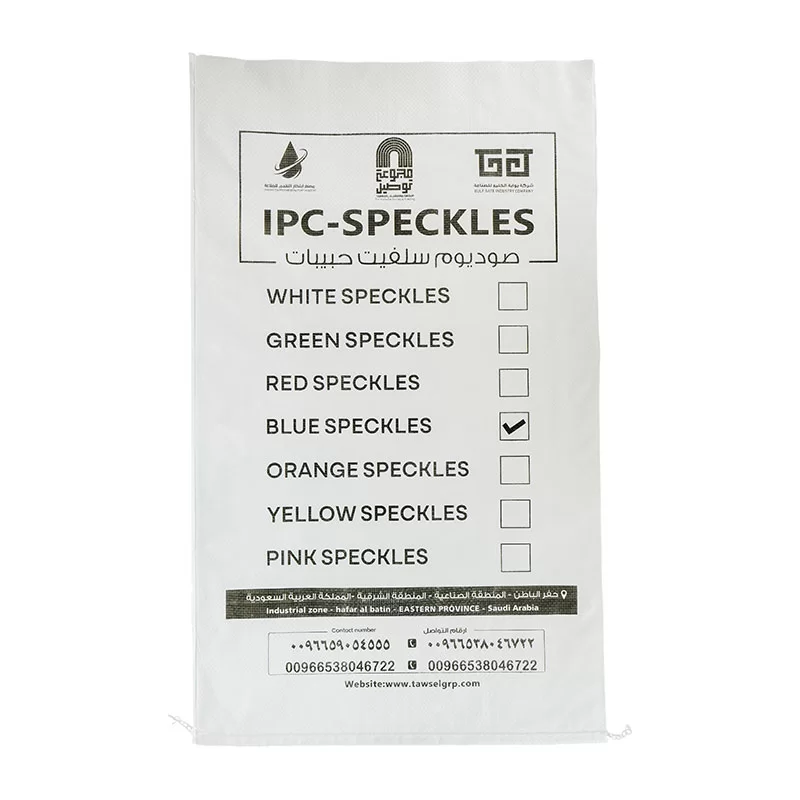
The pp woven bag industry in North Korea faces distinct challenges rooted in the nation’s economic landscape and international trade restrictions. Demand primarily stems from agricultural sectors requiring packaging for grains and fertilizers, alongside limited industrial applications. Importing raw materials, particularly polypropylene resin, presents a significant hurdle due to sanctions and logistical complexities. This leads to a reliance on locally sourced materials, often of lower quality, impacting the durability and consistency of the final product.
Geographically, North Korea’s mountainous terrain and underdeveloped infrastructure further complicate distribution and transportation of both raw materials and finished pp woven bags. The climate, characterized by harsh winters and monsoon seasons, demands packaging solutions capable of withstanding extreme weather conditions to ensure product preservation. Consequently, there’s a growing need for more robust and weather-resistant pp woven bag options.
Despite these difficulties, the demand for reliable packaging solutions persists, driven by the need to secure food supplies and maintain agricultural productivity. The limited availability of alternative packaging materials further reinforces the importance of pp woven bags, creating a steady, albeit constrained, market. Opportunities lie in providing high-quality, durable bags that address the specific climatic and logistical challenges of the region.