
Ultimate Guide to Choosing the Best white pp woven bag for Industry
April 09, 2026
The Ultimate Guide to Choosing the Right White PP Woven Bag
In the world of industrial packaging, the white pp woven bag has emerged as a cornerstone for transporting bulk materials across various sectors. Known for its exceptional strength, durability, and cost-effectiveness, polypropylene (PP) woven fabric provides a reliable barrier against external elements while maintaining structural integrity under heavy loads. Whether you are transporting chemicals, grains, or construction materials, understanding the nuances of these bags is essential for optimizing your supply chain and reducing product loss. In this comprehensive guide, we will explore why this specific packaging solution is the preferred choice for global trade.
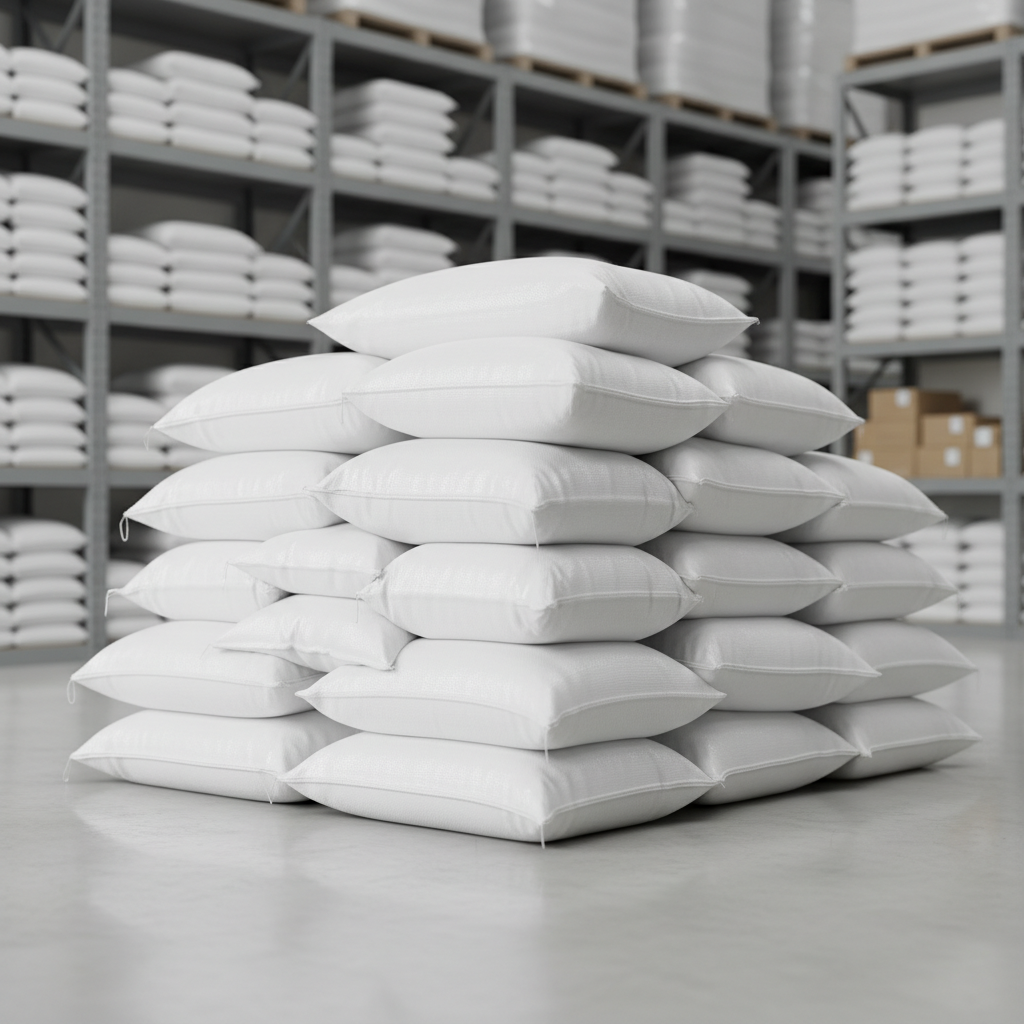
Key Advantages of Using a White PP Woven Bag
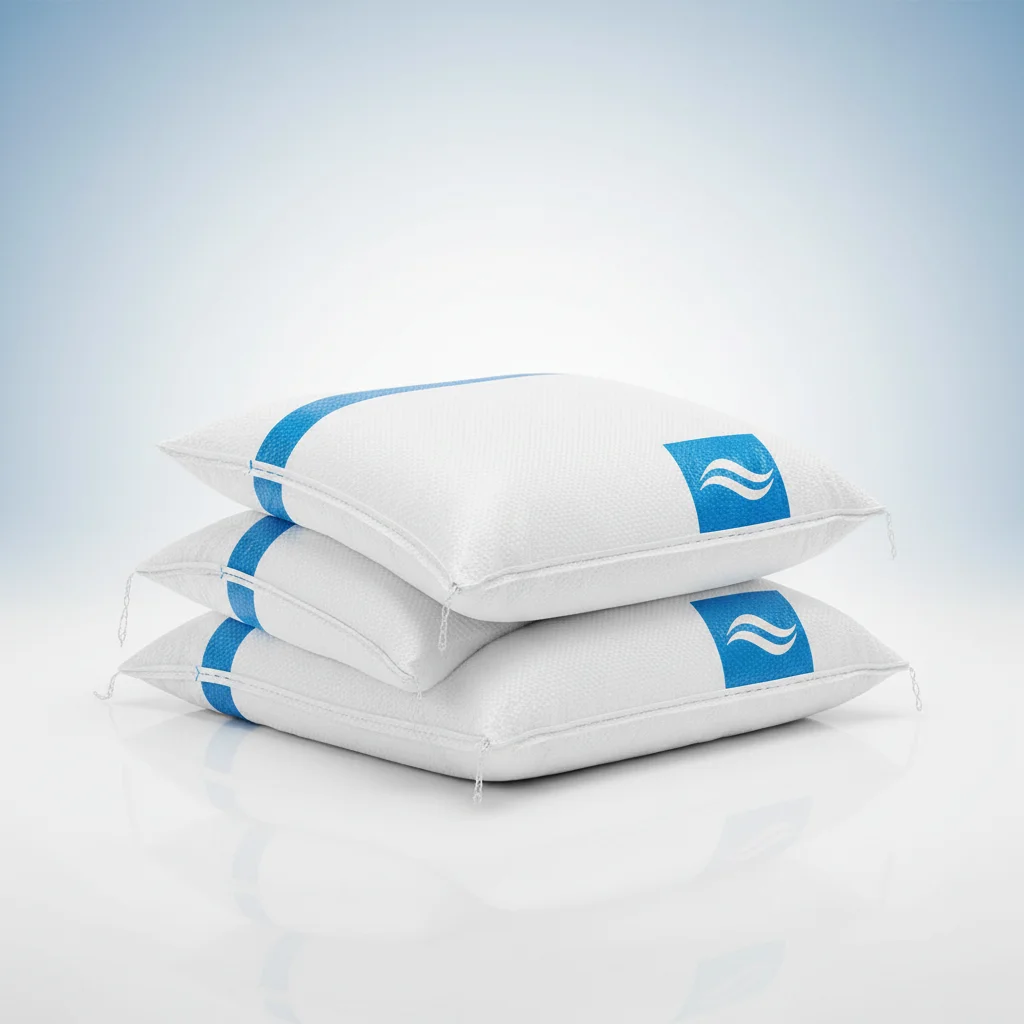
The primary appeal of the white pp woven bag lies in its unique material composition. By weaving polypropylene tapes in two directions, the resulting fabric possesses immense tensile strength, preventing tears and bursts during rough handling. The white color isn't just for aesthetics; it provides a clean, professional surface that is ideal for high-quality printing, allowing brands to display logos and handling instructions clearly. Furthermore, these bags are naturally resistant to moisture and chemicals, ensuring that the contents remain dry and uncontaminated during long-distance shipping.
Core Benefits: High tear resistance, lightweight nature, moisture protection, and excellent printability for corporate branding and logistics labeling.
Comparing White PP Woven Bag Options vs. Traditional Paper Sacks
When deciding between materials, many businesses weigh the pros and cons of plastic versus paper. The white pp woven bag far outperforms paper sacks in terms of longevity and durability. While paper is biodegradable, it fails quickly when exposed to humidity or sharp edges. In contrast, PP woven bags are reusable and can withstand significant pressure without failing. This makes them a more sustainable choice for circular economy practices where bags are collected and reused multiple times before being recycled.
Versatile Applications for the White PP Woven Bag
The versatility of these bags allows them to be used across a spectrum of industries. In agriculture, they are indispensable for packing seeds, rice, and flour. In the construction sector, a white pp woven bag is the standard for transporting sand, gravel, and cement. Because they can be customized with internal liners (lamination), they are also suitable for powder products that require a completely airtight seal to prevent leakage. Their ability to withstand UV exposure (when treated) makes them ideal for outdoor storage in warehouses or on docks.
Technical Specifications of Premium White PP Woven Bags
To ensure you are ordering the correct grade of packaging, it is important to look at the technical specifications. The density of the weave and the weight of the polypropylene determine the load-bearing capacity. High-quality white pp woven bags typically undergo rigorous stress testing to ensure they can handle the designated weight without deformation. Below is a standard specification table for common industrial sizes.
Environmental Impact and Sustainability of PP Bags
A common question regarding the white pp woven bag is its environmental footprint. While plastic is often scrutinized, PP is actually one of the more recyclable plastics. Modern manufacturing processes have introduced "Eco-friendly" PP, which incorporates recycled materials without compromising strength. Because these bags are designed for multi-use, they reduce the overall consumption of single-use packaging. Companies are now implementing take-back programs to ensure that worn-out bags are processed into pellets for new industrial products, closing the loop on plastic waste.
How to Optimize Shipping Costs with PP Woven Packaging
Packaging weight directly impacts freight costs. The white pp woven bag is engineered to provide a high strength-to-weight ratio. This means you can secure massive loads without adding significant dead weight to your shipment. Furthermore, their flexible nature allows for tighter stacking and better space utilization in shipping containers compared to rigid boxes. By choosing the correct mesh density and bag size, businesses can maximize their cargo volume and significantly lower their per-unit logistics expenditure.
Conclusion: The Strategic Choice for Modern Packaging
The white pp woven bag is more than just a container; it is a strategic tool for operational efficiency. From its unmatched durability and moisture resistance to its role in reducing shipping costs and supporting recycling initiatives, it remains the gold standard for bulk material transport. By selecting high-quality PP woven solutions, businesses can ensure their products reach their destination safely and professionally. Invest in quality packaging to safeguard your brand and your bottom line.
Frequently Asked Questions (FAQs)
Can white pp woven bags be customized with logos?
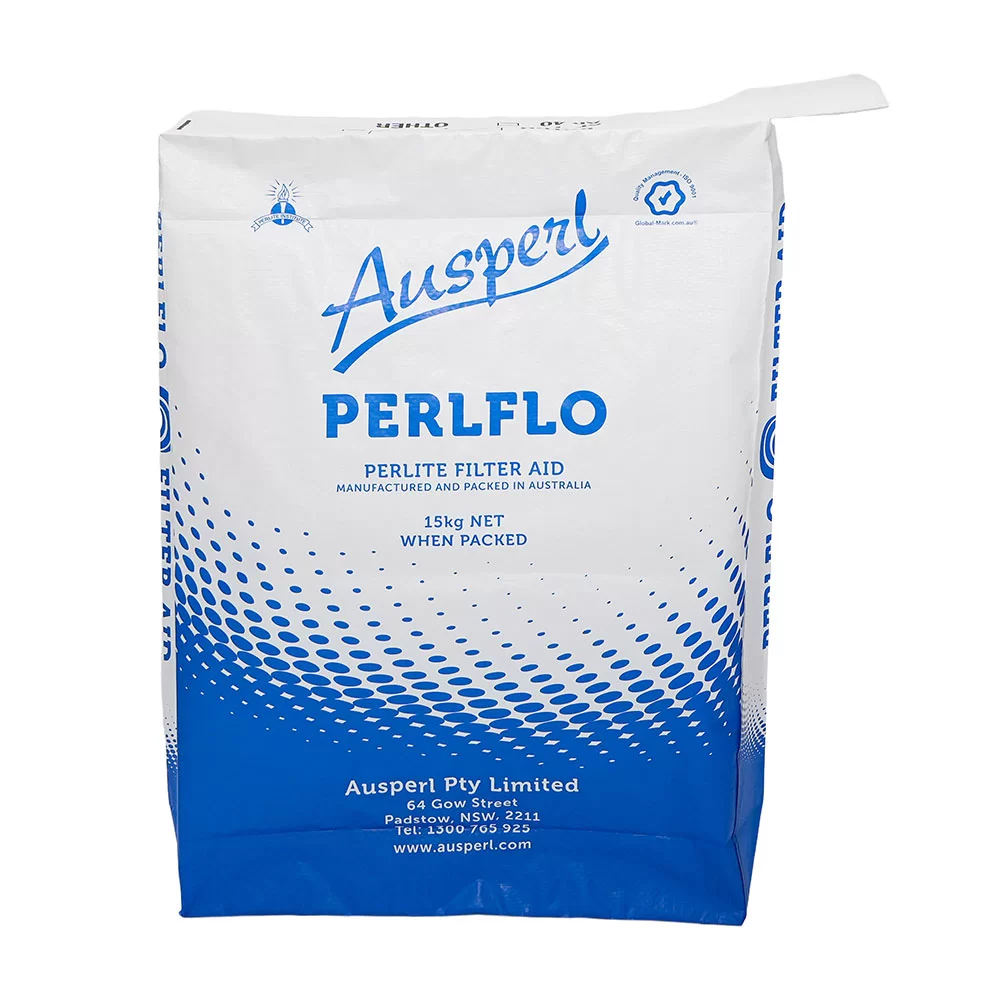
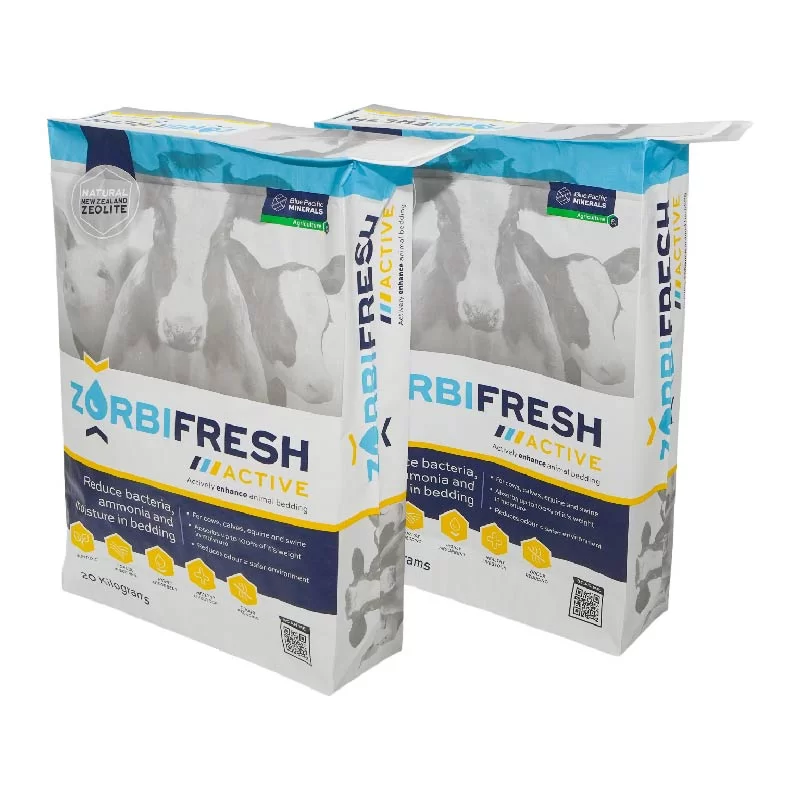
Yes, absolutely. One of the greatest advantages of the white pp woven bag is its suitability for printing. Because the base material is white, colors appear vibrant and clear. Businesses can use flexographic printing or BOPP lamination for high-resolution graphics. This is essential for brand recognition and provides a space to include barcodes, safety warnings, and product specifications, which streamlines the warehouse management process.
Are these bags waterproof or just water-resistant?
Standard woven bags are water-resistant, meaning they repel light splashes and moisture due to the nature of polypropylene. However, because they are woven, there are tiny gaps between the threads. If you require a 100% waterproof solution, we recommend choosing a laminated white pp woven bag. Lamination adds a thin plastic film to the fabric, sealing those gaps and providing a complete barrier against liquids and fine powders.
How do I determine the correct bag size for my product?
Determining the size depends on the bulk density of your material. For example, 25kg of flour occupies a different volume than 25kg of sand. We suggest calculating the volume of your product (Weight / Density = Volume) and adding a 5-10% margin for headspace to allow for easy sealing. Our team at SSJT Pack can provide a consultation to help you select the exact dimensions to avoid wasting material and optimize your packaging costs.
Are PP woven bags safe for food packaging?
Yes, polypropylene is generally recognized as safe for food contact. However, it is crucial to ensure that the bags are made from 100% virgin resin and are produced in a food-grade certified facility. Our white pp woven bags are manufactured to meet international safety standards, ensuring no harmful chemicals migrate into the food products, making them ideal for grains, sugar, and other dry foodstuffs.
Hit enter to search or ESC to close


