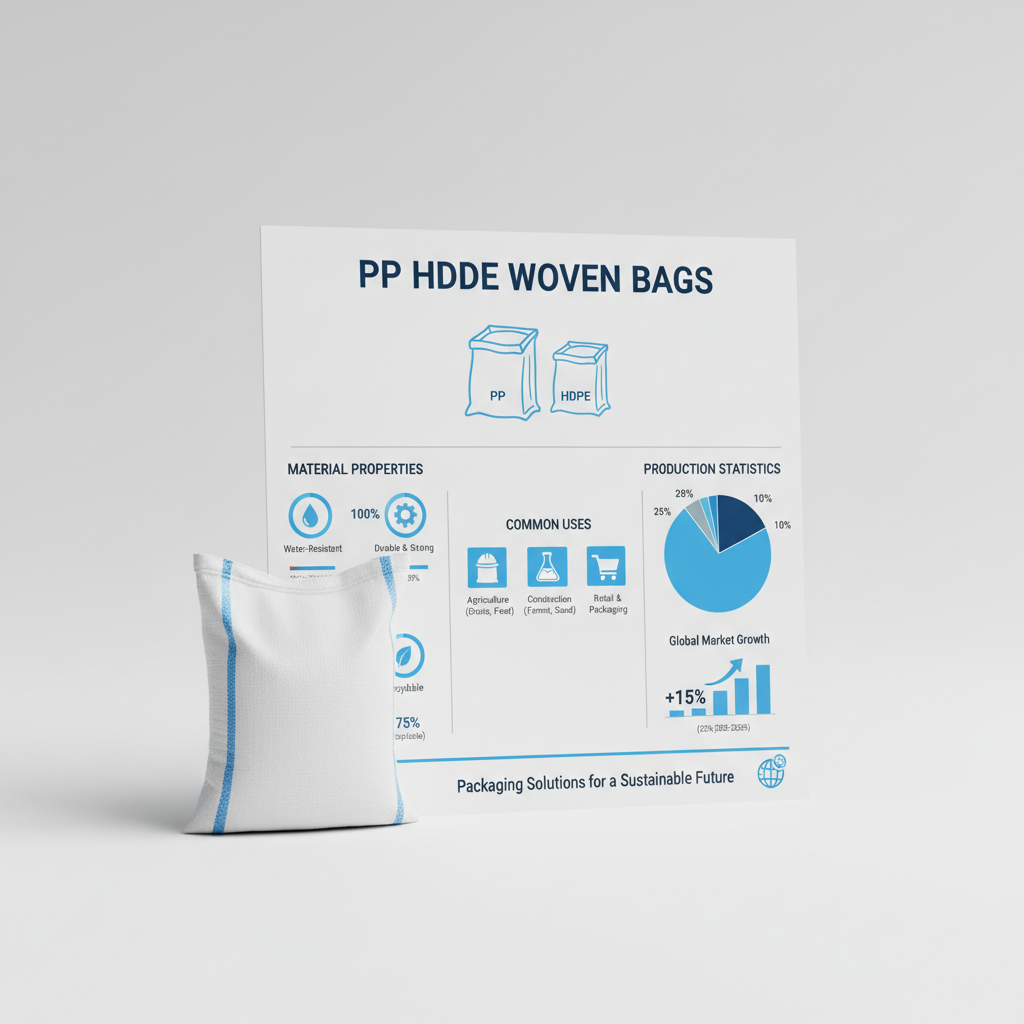
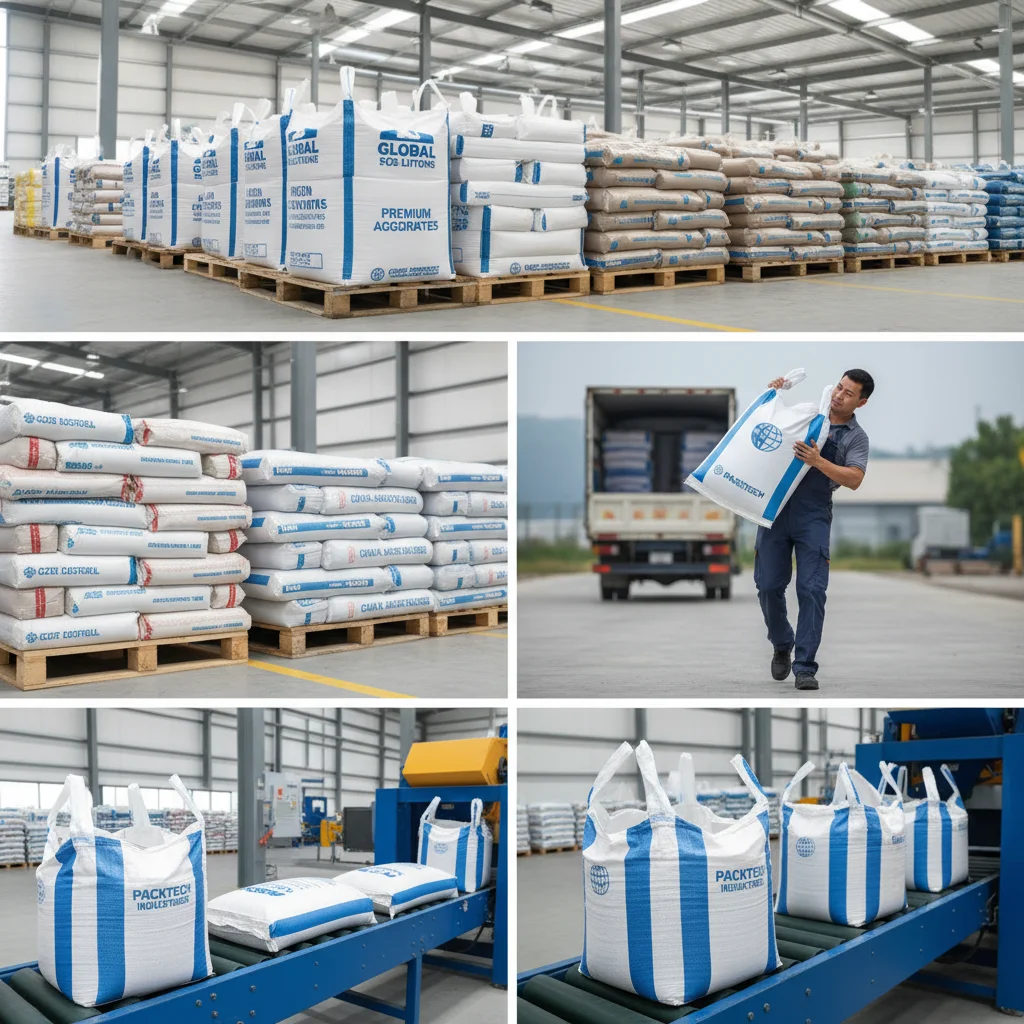
In the modern industrial landscape, the demand for high-performance packaging has led to the widespread adoption of pp hdpe woven bags, which serve as the backbone for transporting everything from agricultural grains to hazardous chemicals. These versatile containers combine the strength of polypropylene and the chemical resistance of high-density polyethylene, ensuring that bulk materials remain secure during long-distance transit across unstable terrains.
Understanding the nuances of these packaging solutions is critical for supply chain managers and procurement specialists globally. By optimizing the choice between PP and HDPE blends, businesses can significantly reduce product loss due to leakage or rupture, while simultaneously lowering the overall cost per shipment through improved weight-to-strength ratios.
Beyond simple utility, the evolution of pp hdpe woven bags reflects a broader shift toward sustainable industrialization. As global standards move toward circular economies, the focus has shifted toward bags that are not only durable and cost-effective but also recyclable, reducing the environmental footprint of the global logistics network.
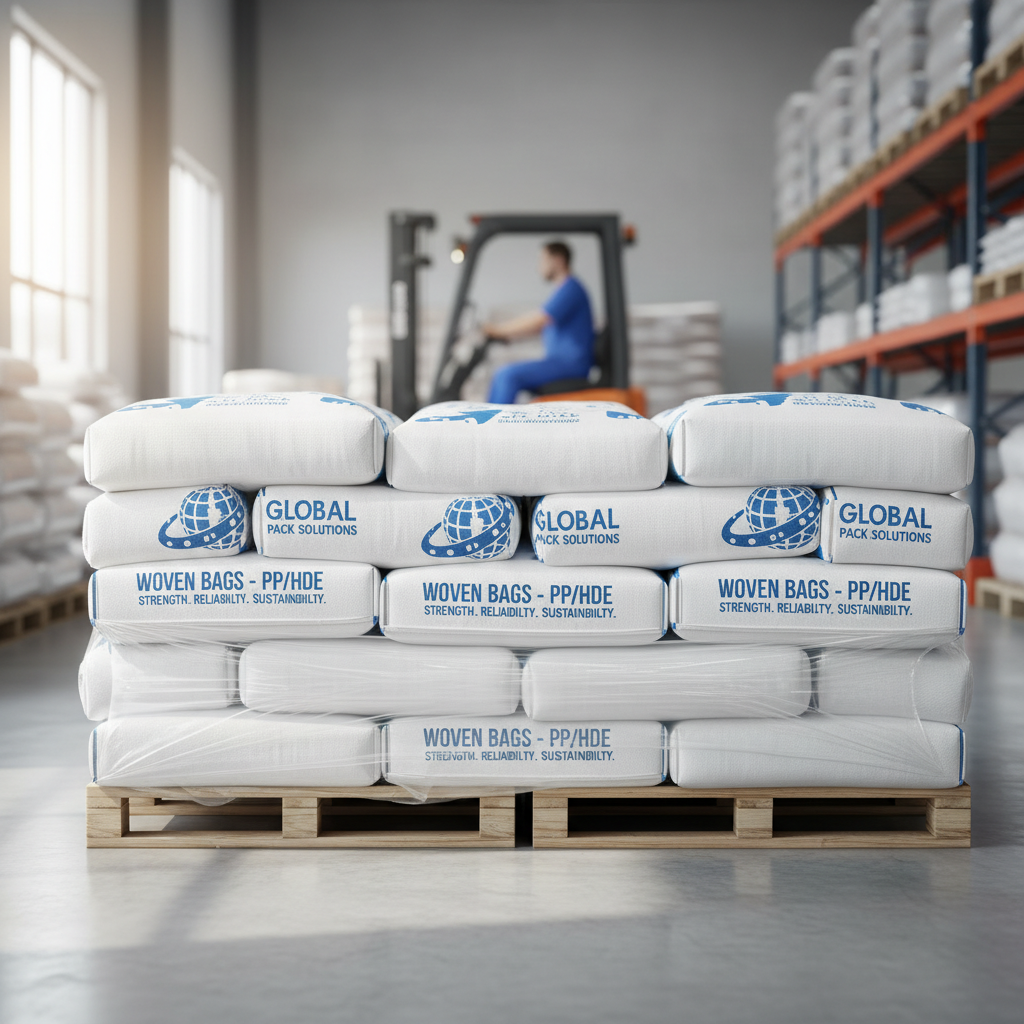
Global Industrial Relevance of pp hdpe woven bags
The global reliance on pp hdpe woven bags is driven by the necessity for lightweight yet incredibly strong packaging in the agriculture and mining sectors. According to industrial trade data, these bags have become the standard for the transport of polymers, fertilizers, and seeds, as they provide an essential barrier against mechanical stress during automated loading and unloading processes.
Moreover, in developing economies, these bags are more than just packaging; they are vital tools for food security. By preventing spoilage and pest infestation through advanced weaving techniques and optional lamination, they ensure that critical resources reach remote areas without significant degradation, addressing a challenge that has plagued global logistics for decades.
Defining the Material Science of Woven Packaging
At its core, pp hdpe woven bags are engineered from thermoplastic polymers. Polypropylene (PP) provides the necessary tensile strength and heat resistance, while High-Density Polyethylene (HDPE) adds a layer of moisture resistance and flexibility. The "woven" aspect refers to the interlacing of extruded plastic tapes, which creates a fabric that distributes weight evenly across the surface, preventing the "blow-out" failures common in non-woven plastics.
This material synergy is essential for modern humanitarian and industrial needs. For instance, during emergency disaster relief, the ability of these bags to withstand extreme punctures and varying weather conditions makes them ideal for transporting heavy aid supplies, such as flour or medicine, through rugged terrains where traditional cardboard packaging would instantly fail.
From a technical standpoint, the manufacturing process involves the extrusion of resin into thin films, which are then slit into tapes and woven on circular looms. This structural integrity is what allows a single bag to hold hundreds of kilograms of material, maintaining the internal pressure and protecting the contents from external contaminants.
Core Components of High-Strength Woven Bags
One of the primary factors defining the quality of pp hdpe woven bags is their UV stabilization. Since these bags are often stored outdoors in sun-drenched ports or farms, the addition of UV inhibitors prevents the polymer chains from breaking down, ensuring the bag does not become brittle and tear under the sun's radiation.
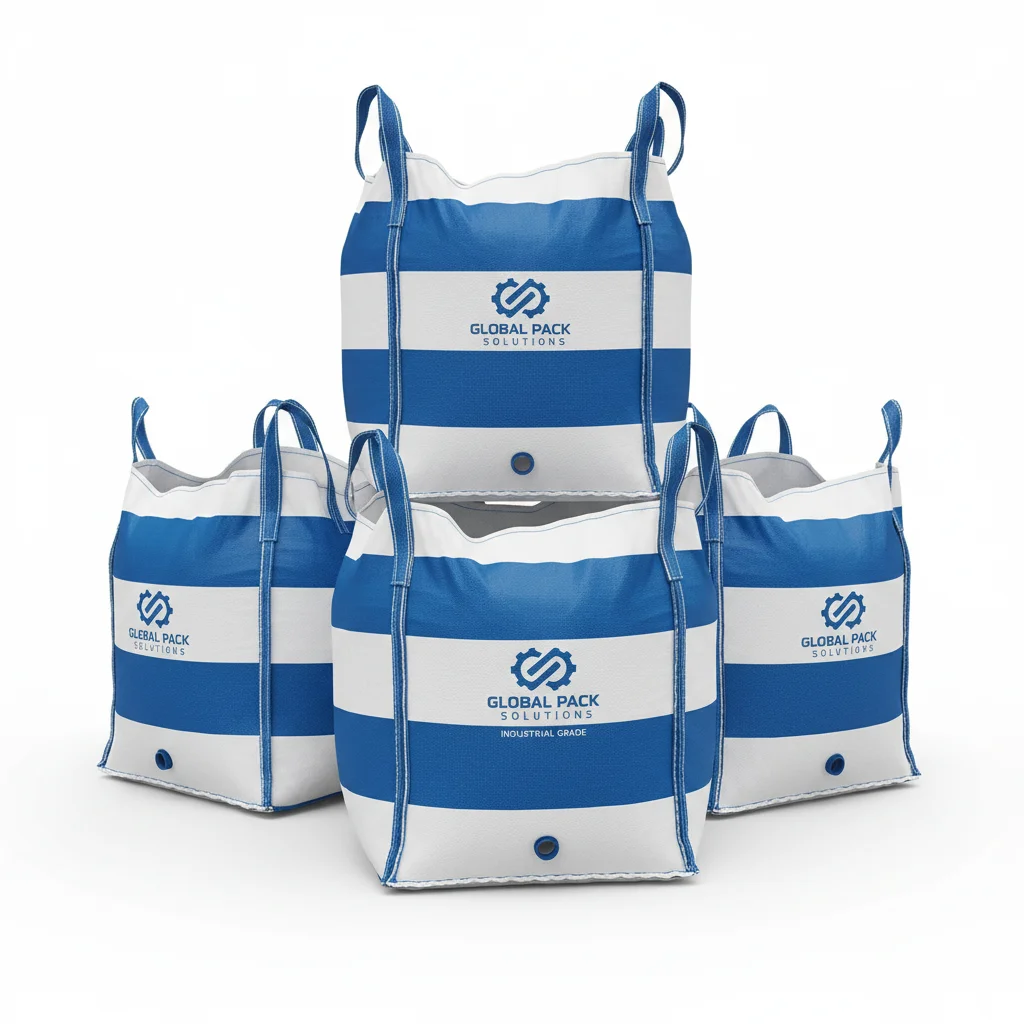
Tensile strength and tear resistance are further enhanced through precise denier control. By adjusting the thickness of the woven tapes, manufacturers can create pp hdpe woven bags tailored for specific loads, ranging from light-duty retail packaging to heavy-duty industrial FIBCs (Flexible Intermediate Bulk Containers).
Finally, moisture barrier integration—often achieved through BOPP lamination or PE inner liners—ensures that hygroscopic materials like cement or sugar remain dry. This layered approach transforms a simple woven fabric into a sophisticated containment system capable of maintaining product purity over months of transit.
Performance Metrics and Cost Efficiency
When evaluating the ROI of packaging, pp hdpe woven bags consistently outperform traditional jute or paper alternatives. Their superior strength-to-weight ratio means that fewer materials are needed to secure the same volume of cargo, which directly translates to lower freight costs and reduced carbon emissions during transport.
Furthermore, the scalability of these bags allows industries to transition from small 25kg sacks to massive 2,000kg big bags using the same core material technology. This consistency simplifies procurement and ensures that the same level of reliability is maintained regardless of the shipment scale.
Comparison of Performance Ratings for Various Woven Bag Types
Global Applications and Sector Use Cases
In the agricultural sector, pp hdpe woven bags are indispensable for the storage of rice, corn, and wheat. In regions like Southeast Asia and Sub-Saharan Africa, these bags are utilized not only for transport but also as temporary silos, providing a breathable yet secure environment that protects harvests from rodent infestation and humidity.
Beyond farming, the chemical and mineral industries rely on these bags for transporting resins, urea, and crushed minerals. In remote industrial zones, such as mining sites in Australia or Canada, the rugged nature of pp hdpe woven bags ensures that materials can be shifted by heavy machinery and conveyor belts without risking catastrophic splits.
Long-Term Value and Sustainability Impact
The long-term value of adopting pp hdpe woven bags extends beyond immediate cost savings. Their durability allows for multiple reuse cycles, which significantly lowers the volume of single-use plastic waste entering the environment. Many companies are now implementing "closed-loop" systems where bags are returned, cleaned, and reused.
From an emotional and brand-trust perspective, using high-quality woven packaging signals reliability to the end customer. A bag that arrives intact, regardless of the journey's hardship, builds a sense of trust in the manufacturer's commitment to quality and safety, reducing the psychological stress associated with high-value bulk shipments.
Sustainability is further enhanced through the development of PCR (Post-Consumer Recycled) resins. By integrating recycled PP and HDPE into the weaving process, the industry is moving toward a carbon-neutral footprint, proving that industrial-strength packaging can coexist with ecological responsibility.
Future Innovations in Polypropylene Textiles
The future of pp hdpe woven bags lies in the integration of "smart" materials. We are seeing the emergence of bags embedded with RFID tags and IoT sensors that can monitor the internal temperature and humidity of the contents in real-time, alerting logistics managers to potential spoilage before it occurs.
Additionally, advancements in biodegradable additives are paving the way for "oxodegradable" woven bags. These materials maintain their full strength during their useful life but break down rapidly when exposed to specific soil microbes, solving the long-term pollution problem associated with traditional plastics.
Automation in the manufacturing process is also increasing precision. New-generation circular looms can now vary the weave density across a single bag—creating reinforced corners and bases—which further optimizes material usage while increasing the overall load capacity of pp hdpe woven bags.
Comparison of Innovation Trends in pp hdpe woven bags
| Innovation Type |
Technical Implementation |
Impact Level (1-10) |
Primary Benefit |
| Smart Tracking |
RFID/NFC Integration |
8 |
Real-time Inventory |
| Bio-Polymer Blends |
PLA/PBAT Co-extrusion |
9 |
Biodegradability |
| Nano-Coating |
Silica Nano-layers |
7 |
Extreme Moisture Proof |
| PCR Resin Use |
Recycled PP Pellets |
10 |
Circular Economy |
| Variable Density Weave |
Digital Loom Control |
6 |
Material Efficiency |
| Advanced UV Inhibitors |
HALS Technology |
7 |
Extended Outdoor Life |
FAQS
Polypropylene (PP) provides higher tensile strength and better heat resistance, making it ideal for heavy loads. High-Density Polyethylene (HDPE) offers superior moisture resistance and flexibility. pp hdpe woven bags often combine both polymers to achieve a balance of strength and weatherproofing, ensuring the packaging survives both the weight of the product and the environment of the transit.
Yes, both PP and HDPE are thermoplastics, meaning they can be melted down and reformed without significant degradation of their properties. Many industrial users now collect used pp hdpe woven bags to be processed into recycled pellets, which are then used to manufacture new bags or other plastic products, contributing to a sustainable circular economy.
Denier refers to the thickness of the yarn. For lightweight products (under 10kg), a lower denier is sufficient. For heavy-duty industrial applications (25kg to 2000kg), higher denier tapes are required to prevent bursting. We recommend calculating the total static and dynamic load of your product and adding a 20% safety margin to determine the optimal denier for your pp hdpe woven bags.
Standard woven bags are breathable and not 100% waterproof. However, to achieve complete moisture protection, pp hdpe woven bags can be laminated with a thin layer of PE or equipped with an internal PE liner. This creates an airtight seal that is essential for transporting sensitive chemicals, salts, or fine powders in humid environments.
Depending on the concentration of UV inhibitors (such as HALS), UV-stabilized pp hdpe woven bags can maintain their structural integrity for 6 to 24 months of direct sunlight exposure. Without these stabilizers, the bags may become brittle and fail within a few weeks of intense UV exposure, especially in equatorial regions.
BOPP (Biaxially Oriented Polypropylene) lamination involves applying a high-clarity film to the woven fabric. This is used primarily for two reasons: first, it provides a superior surface for high-quality photographic printing (branding), and second, it adds an extra layer of water resistance and strength to the pp hdpe woven bags, making them ideal for retail packaging.
Conclusion
In summary, pp hdpe woven bags represent a perfect intersection of material science and logistical utility. By leveraging the unique properties of polypropylene and high-density polyethylene, these containers provide the durability, cost-efficiency, and versatility required to sustain global trade in agriculture, mining, and chemicals. From UV stabilization to BOPP lamination, the technical refinements of these bags ensure that critical resources are transported safely and sustainably across the globe.
Looking forward, the integration of smart tracking and biodegradable materials will further elevate the role of woven packaging in a green economy. Businesses that prioritize high-spec packaging solutions will not only reduce waste and cost but also enhance their brand reliability. To secure your supply chain with the highest quality industrial packaging, visit our website: www.ssjtpack.com