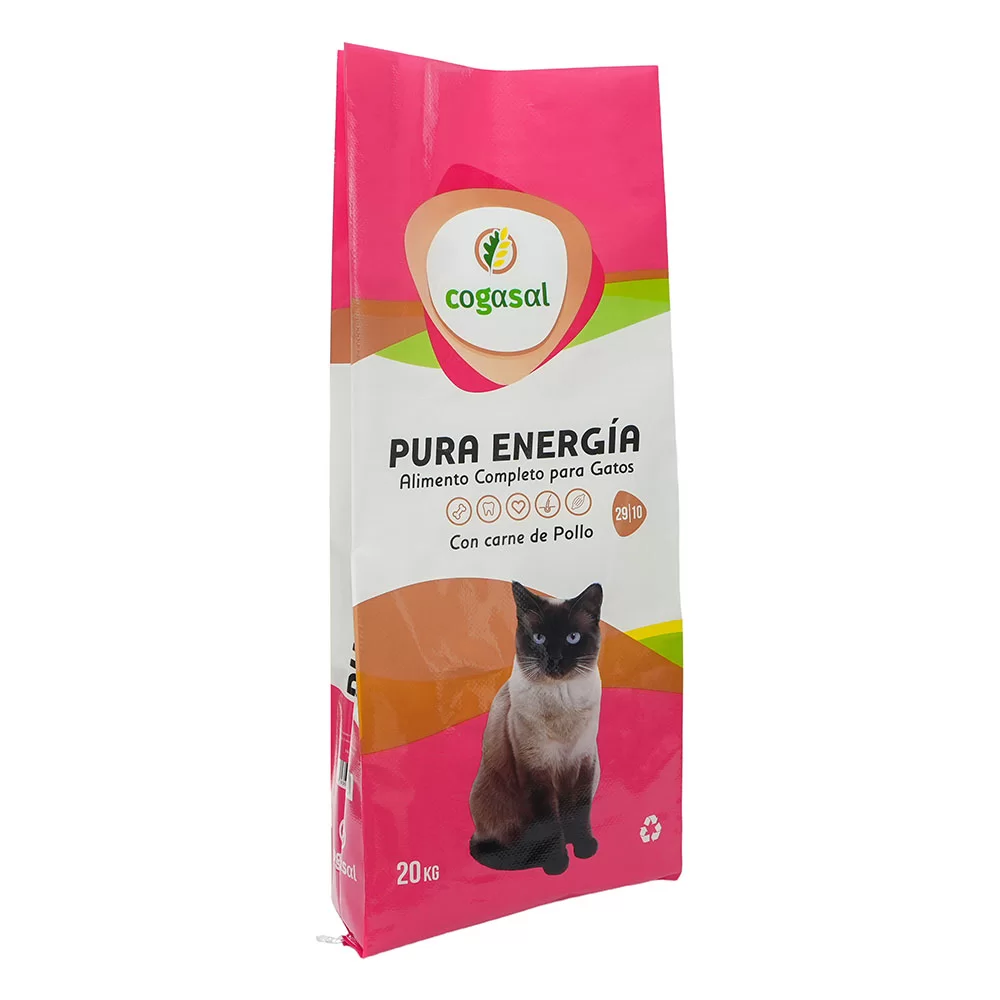
HighQuality pp woven bag Solutions for North Korea

High-Quality pp woven bag Solutions for North Korea

Providing Durable and Reliable Packaging for Diverse Industries in North Korea

High-Quality pp woven bag Solutions

We specialize in providing top-tier pp woven bag solutions tailored to meet the unique packaging needs of businesses in North Korea.

Current State of the PP Woven Bag Industry in North Korea

Understanding the Unique Challenges and Opportunities in the North Korean Market

The pp woven bag industry in North Korea faces distinct challenges rooted in the nation’s economic landscape and international trade restrictions. Demand primarily stems from agricultural sectors requiring packaging for grains and fertilizers, alongside limited industrial applications. Importing raw materials, particularly polypropylene resin, presents a significant hurdle due to sanctions and logistical complexities. This leads to a reliance on locally sourced materials, often of lower quality, impacting the durability and consistency of the final product.

Geographically, North Korea’s mountainous terrain and underdeveloped infrastructure further complicate distribution and transportation of both raw materials and finished pp woven bags. The climate, characterized by harsh winters and monsoon seasons, demands packaging solutions capable of withstanding extreme weather conditions to ensure product preservation. Consequently, there’s a growing need for more robust and weather-resistant pp woven bag options.

Despite these difficulties, the demand for reliable packaging solutions persists, driven by the need to secure food supplies and maintain agricultural productivity. The limited availability of alternative packaging materials further reinforces the importance of pp woven bags, creating a steady, albeit constrained, market. Opportunities lie in providing high-quality, durable bags that address the specific climatic and logistical challenges of the region.
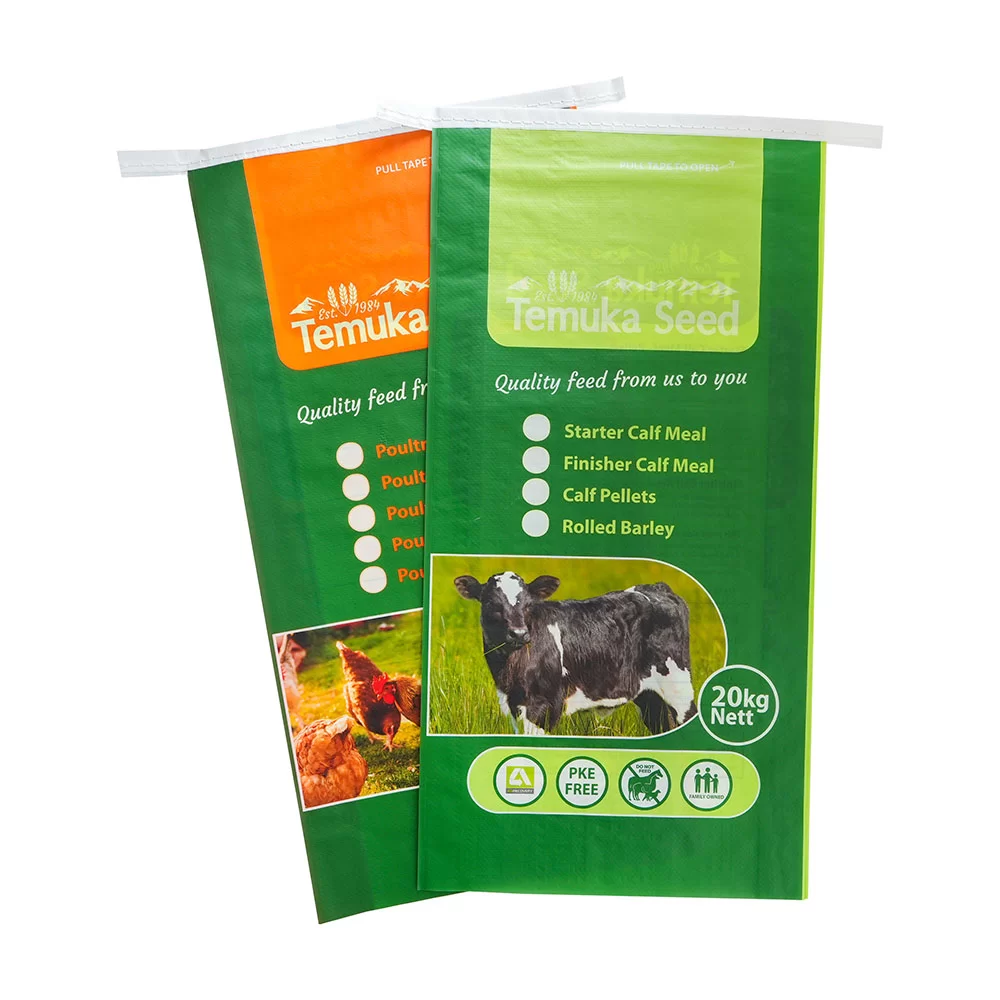
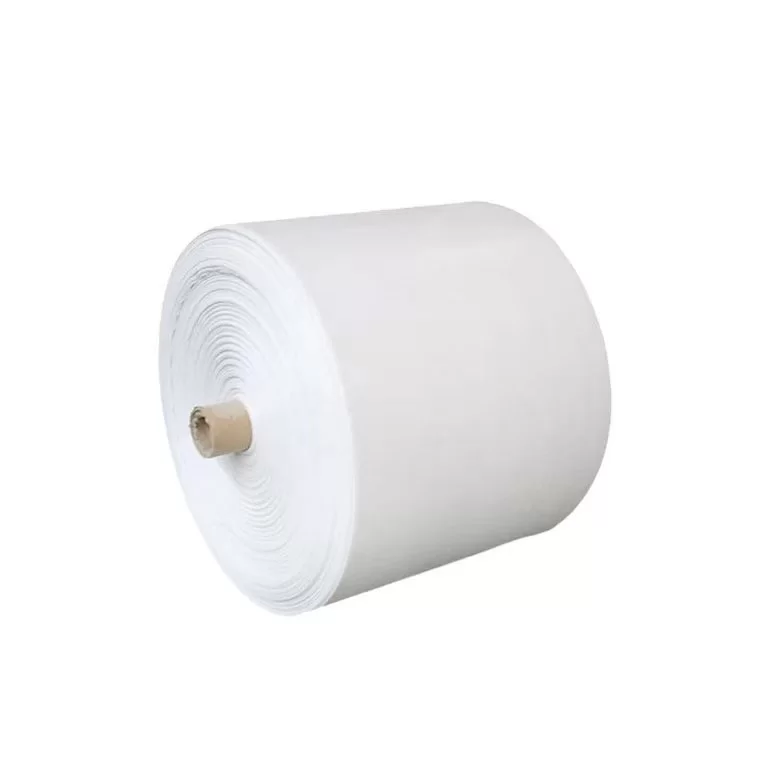
Evolution of PP Woven Bag Technology and its Adoption in North Korea

Tracing the Technological Advancements and Their Impact on the North Korean Packaging Industry

Market Development History

Initially, the pp woven bag industry in North Korea relied heavily on basic weaving techniques and imported, often outdated, machinery. In the 1990s, with increasing international sanctions, the focus shifted towards self-reliance, prompting efforts to establish local manufacturing capabilities. However, the production remained largely basic, focusing on simple, unlaminated bags primarily used for grain storage.

The early 2000s saw a gradual introduction of improved weaving looms and extrusion technology, allowing for increased production capacity and slightly better quality. However, access to advanced technologies like bopp laminated bag production remained limited. The rise of international trade, albeit restricted, spurred demand for more aesthetically pleasing and durable packaging solutions.

From 2010 onwards, a slow but noticeable shift towards incorporating more sophisticated techniques began, driven by a growing awareness of the benefits of printed pp woven bags and laminated options. Despite ongoing challenges, North Korean manufacturers have gradually adopted technologies to meet the evolving needs of the agricultural and industrial sectors.

Future Development Trends

Enhanced Material Strength and Durability

Future developments will focus on enhancing the tensile strength and tear resistance of pp woven bags to withstand the demanding conditions of the North Korean environment. This will involve utilizing higher-quality polypropylene resins and improved weaving techniques.

Increased Adoption of Lamination Technologies

The integration of bopp laminated bag technology will become more prevalent, providing enhanced moisture resistance, improved print quality, and extended product shelf life. This is particularly crucial for fertilizer and food packaging.

Sustainable Packaging Solutions

Driven by global trends and potential environmental concerns, there will be a growing emphasis on developing more sustainable pp woven bag options, exploring the use of recycled materials and biodegradable additives.

Industry Trends and Future Outlook for PP Woven Bags in North Korea

Analyzing Emerging Trends and Projecting Future Growth Opportunities

Increased Demand for Fertilizer Packaging
With a focus on agricultural self-sufficiency, the demand for durable fertilizer packaging bags will continue to rise, requiring specialized designs and materials.
Growing Preference for Printed Bags
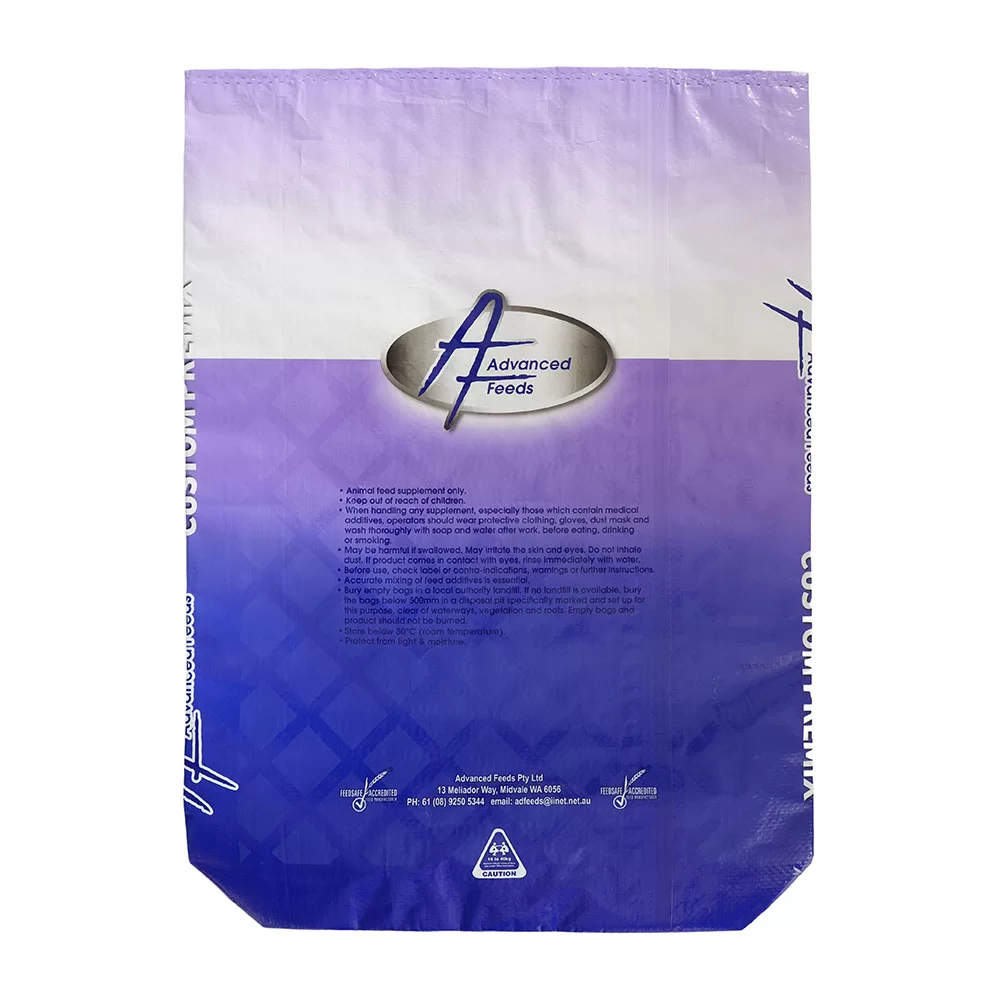
Brands are increasingly seeking printed pp woven bags for product differentiation and brand visibility, driving demand for advanced printing technologies.
Rising Demand for Pinch Bottom Bags
The convenience and cost-effectiveness of pinch bottom bags are driving increased adoption in various sectors, including agriculture and retail.
Focus on Cost Optimization
Businesses are prioritizing cost-effective packaging solutions without compromising on quality, leading to a demand for optimized pp woven bag designs and manufacturing processes.

Industry Outlook

Over the next 3-5 years, the North Korean pp woven bag market is expected to exhibit moderate growth, driven by the increasing need for reliable packaging in agriculture and a gradual expansion of industrial activities. The adoption of more advanced technologies, such as lamination and high-resolution printing, will be crucial for meeting evolving customer demands.

Success in this market will require manufacturers to focus on quality, durability, and cost-effectiveness, while also navigating the complex regulatory and logistical challenges. Building strong relationships with local businesses and understanding their specific packaging requirements will be essential for sustainable growth.

Localized Application Scenarios for PP Woven Bags in North Korea

Real-World Examples of How PP Woven Bags are Used in North Korea

1. Grain Storage and Transportation

PP woven bags are extensively used for storing and transporting rice, wheat, and other essential grains across North Korea. Their durability and breathability help prevent spoilage and maintain food security.

2. Fertilizer Packaging

The agricultural sector relies heavily on fertilizer packaging bags made from PP woven material to protect fertilizers from moisture and ensure efficient distribution to farms.

3. Coal Transportation

In the mining industry, PP woven bags are used for transporting coal and other solid fuels, offering a cost-effective and relatively durable solution for bulk material handling.

4. Building Material Packaging

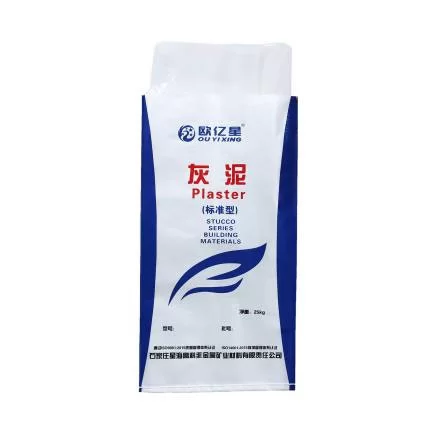
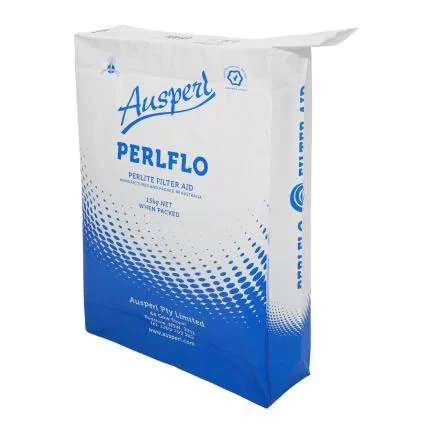
Sand, cement and other building materials are frequently packaged in pp woven bags for easy transportation and storage during construction projects.

5. Food Ration Distribution

PP woven bags play a critical role in distributing food rations to citizens, ensuring efficient and hygienic delivery of essential supplies.

Brand Story

The Global Development Journey of Hebei Shengshi Jintang Packaging Co., Ltd.

Foundation and Commitment to Quality

Established in 2005, Hebei Shengshi Jintang Packaging Co., Ltd. was founded on a commitment to delivering high-quality, reliable packaging solutions. Our initial focus was on serving the domestic market with standard pp woven bags.

Expansion into International Markets

In 2010, we expanded our reach into international markets, recognizing the global demand for robust packaging solutions. This expansion involved adapting to diverse customer needs and quality standards.

Investment in Advanced Technology

Over the years, we’ve invested significantly in advanced weaving, printing, and lamination technologies to produce bopp laminated bags and other specialized packaging products.

Focus on Sustainable Practices

We’re committed to sustainable packaging practices, exploring eco-friendly materials and reducing our environmental footprint throughout the manufacturing process.

Serving North Korea with Reliability

We are dedicated to providing North Korean businesses with durable, reliable pp woven bag solutions, supporting their agricultural and industrial growth.

Comprehensive Product Range for the North Korean Market

Tailored Packaging Solutions to Meet Diverse Needs

Frequently Asked Questions about PP Woven Bags in North Korea

Addressing Common Concerns and Providing Valuable Insights

What is the typical lead time for ordering pp woven bags to North Korea?

Lead times vary depending on the order size, customization requirements, and logistical complexities. Generally, expect a minimum of 6-8 weeks for delivery to North Korea.

What are the available printing options for printed pp woven bags?

We offer flexographic printing with up to four colors, allowing for customized logos, branding, and product information to be printed directly onto the pp woven bags.

Can you provide bopp laminated bags with customized sizes and specifications?

Yes, we specialize in custom-sized bopp laminated bags. We can tailor the dimensions, thickness, and lamination type to meet your specific requirements.

What is the minimum order quantity (MOQ) for pinch bottom bags destined for North Korea?

The MOQ for pinch bottom bags typically starts at 5,000 units, but this may be adjusted based on the complexity of the design and customization options.

What payment methods do you accept for international orders, including those to North Korea?

We primarily accept wire transfers (TT) for international orders. Please contact our sales team to discuss payment arrangements and available options.

Get in Touch for Your Packaging Needs in North Korea

We are dedicated to providing reliable and cost-effective packaging solutions to businesses in North Korea. Let us help you find the perfect pp woven bag for your products.

Contact Us Now

If you are interested in our products, you can choose to leave your information here, and we will be in touch with you shortly.