
Comprehensive Guide to Large Woven Polypropylene Sacks and Their Applications
March 04, 2026
Understanding Large Woven Polypropylene Sacks: A Comprehensive Guide
Large woven polypropylene (PP) sacks are a versatile and cost-effective packaging solution widely used across various industries for bulk material handling and storage. These sacks, known for their strength, durability, and resistance to moisture, are essential for transporting goods globally. This article will delve into the features, applications, advantages, and considerations when selecting large woven polypropylene sacks, providing a thorough overview for businesses involved in agriculture, construction, chemical handling, and more. Choosing the right sack is crucial for ensuring product protection, efficient logistics, and cost-effectiveness.
What are Large Woven Polypropylene Sacks?
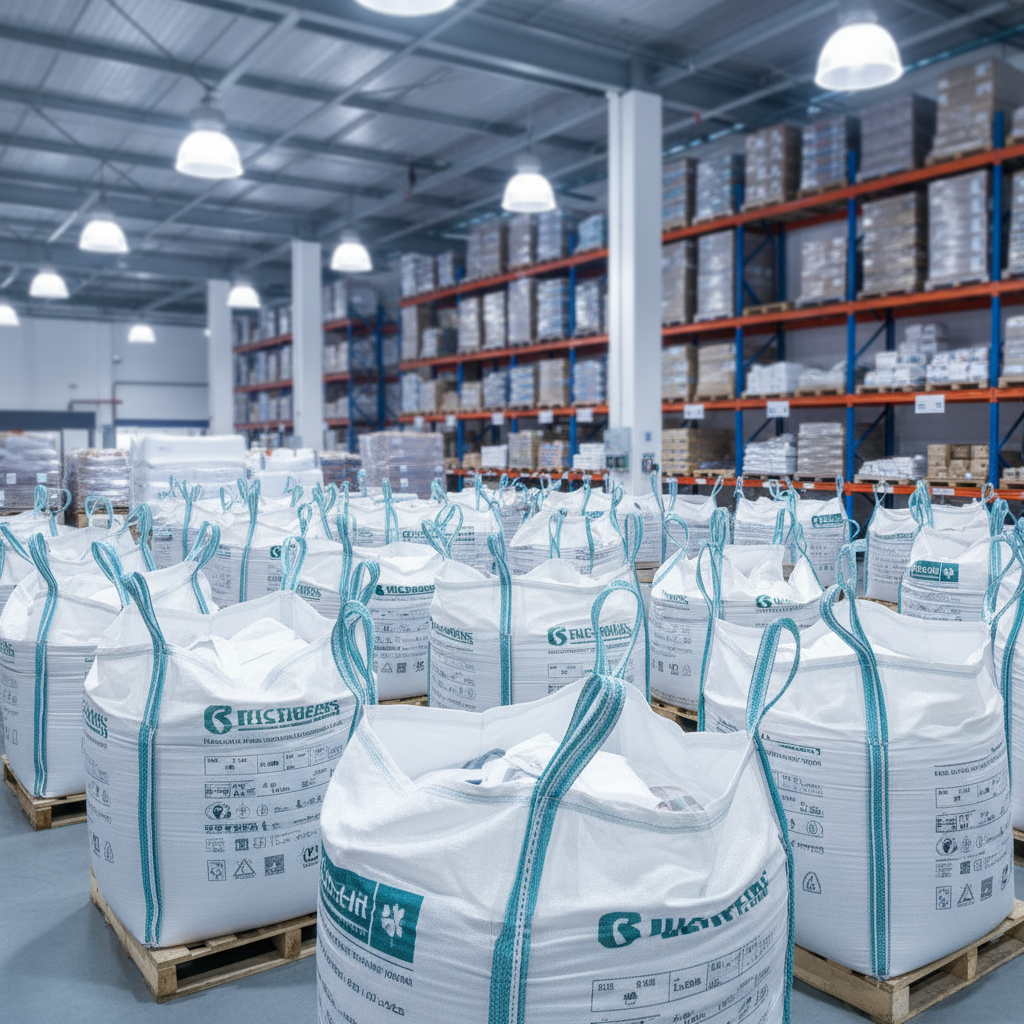
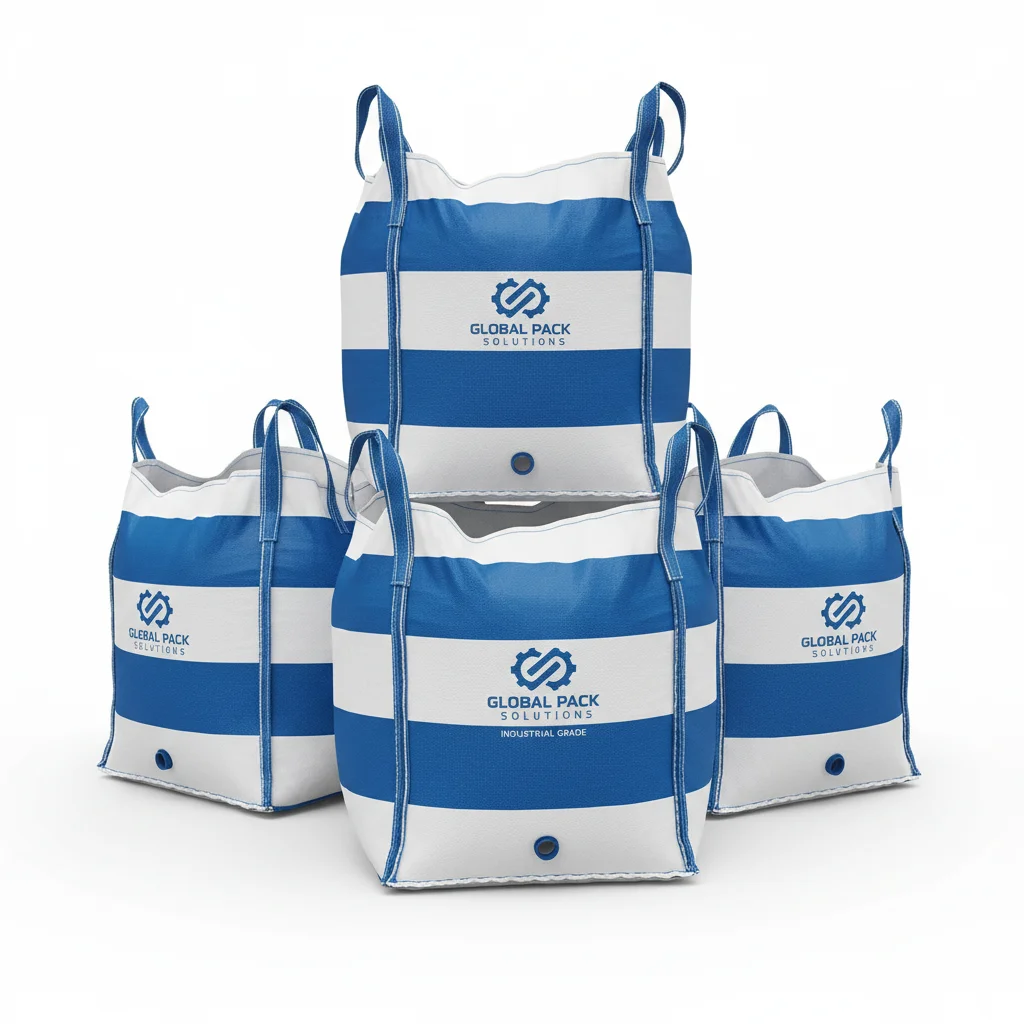
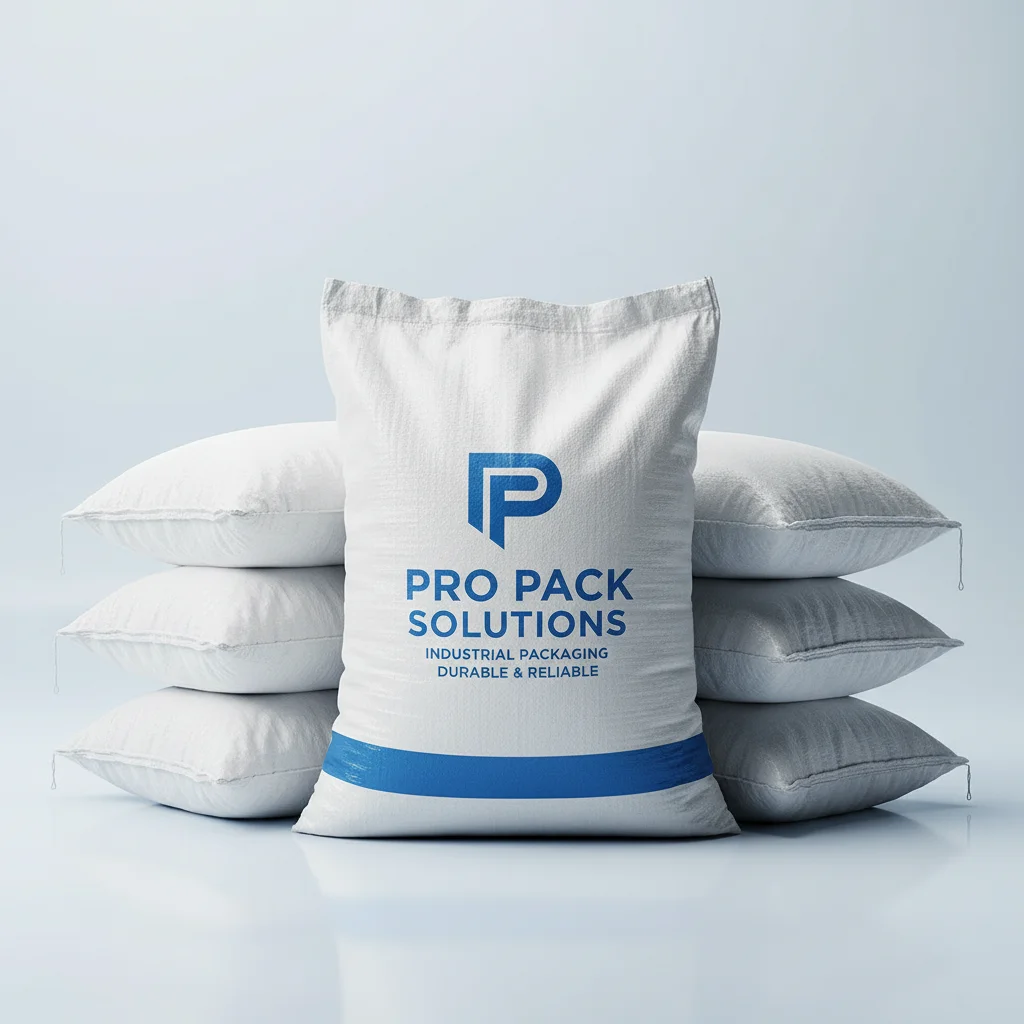
Large woven polypropylene sacks, also known as PP sacks or bulk bags, are constructed from polypropylene resin, a thermoplastic polymer. The manufacturing process involves extruding the polypropylene into tapes, which are then woven into a fabric. This fabric is then coated, often with a laminate layer, to enhance moisture resistance, strength, and printability. The sacks are typically U-shaped or circular and are filled and discharged from the top. They are renowned for being a lightweight yet robust packaging solution, capable of holding significant weight. SSJT Pack specializes in producing high-quality, customized PP sacks for a diverse range of applications.
Key Highlights: Lightweight, robust, moisture-resistant, and customizable for a wide range of applications.
Common Applications of PP Sacks
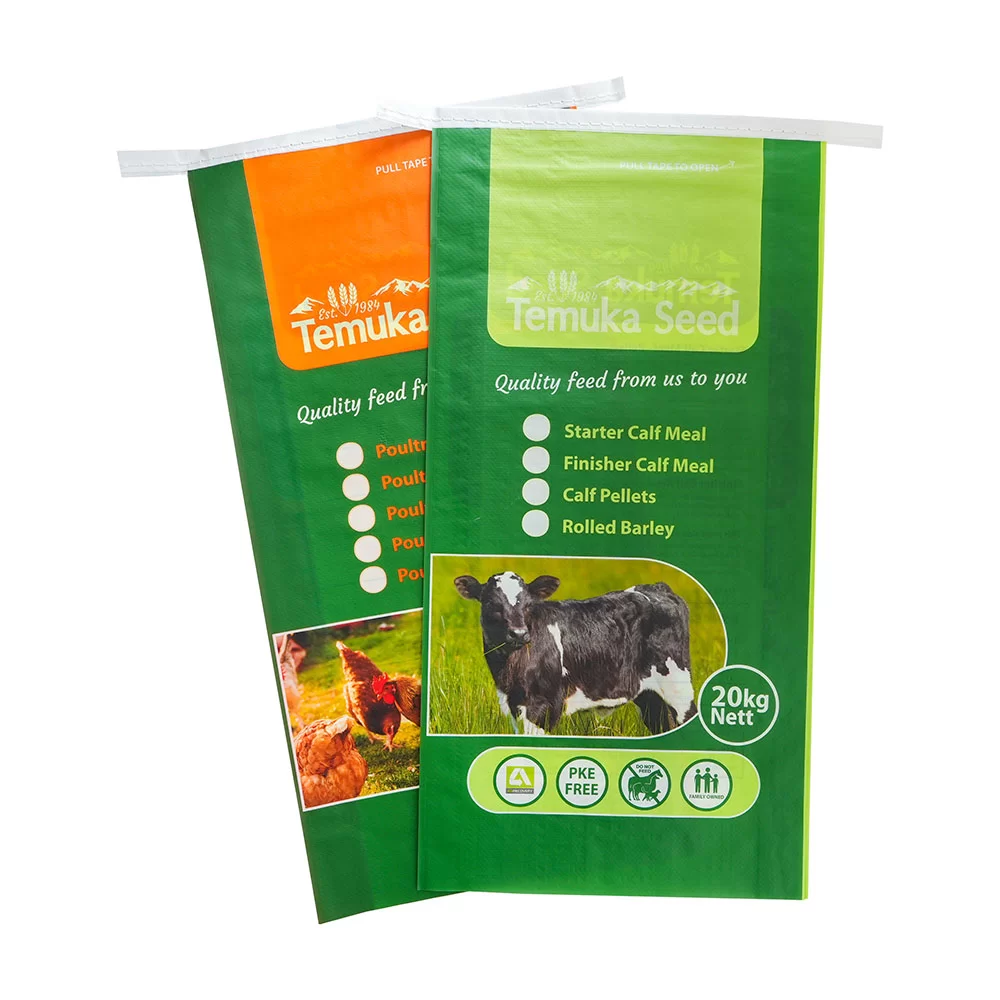
The versatility of large woven polypropylene sacks allows for their use in numerous industries. Some of the most common applications include: Agricultural products (grains, seeds, fertilizer), Building materials (sand, cement, gravel), Chemicals and minerals (plastics, resins, powders), Food processing (flour, sugar, salt), and Industrial packaging (textiles, rubber). The ability to customize sack size, strength, and features makes them suitable for a wide array of product needs. They are ideal for both domestic and international shipping.
Application Benefits:
• Cost-effective packaging solution
• Durable and resistant to tearing
• Protects contents from moisture and contamination
• Customizable printing options for branding
Key Features and Specifications of Large Woven Polypropylene Sacks
Understanding the various features and specifications is essential for selecting the appropriate PP sack for your needs. Here’s a breakdown of key factors:
Benefits of Choosing Large Woven Polypropylene Sacks
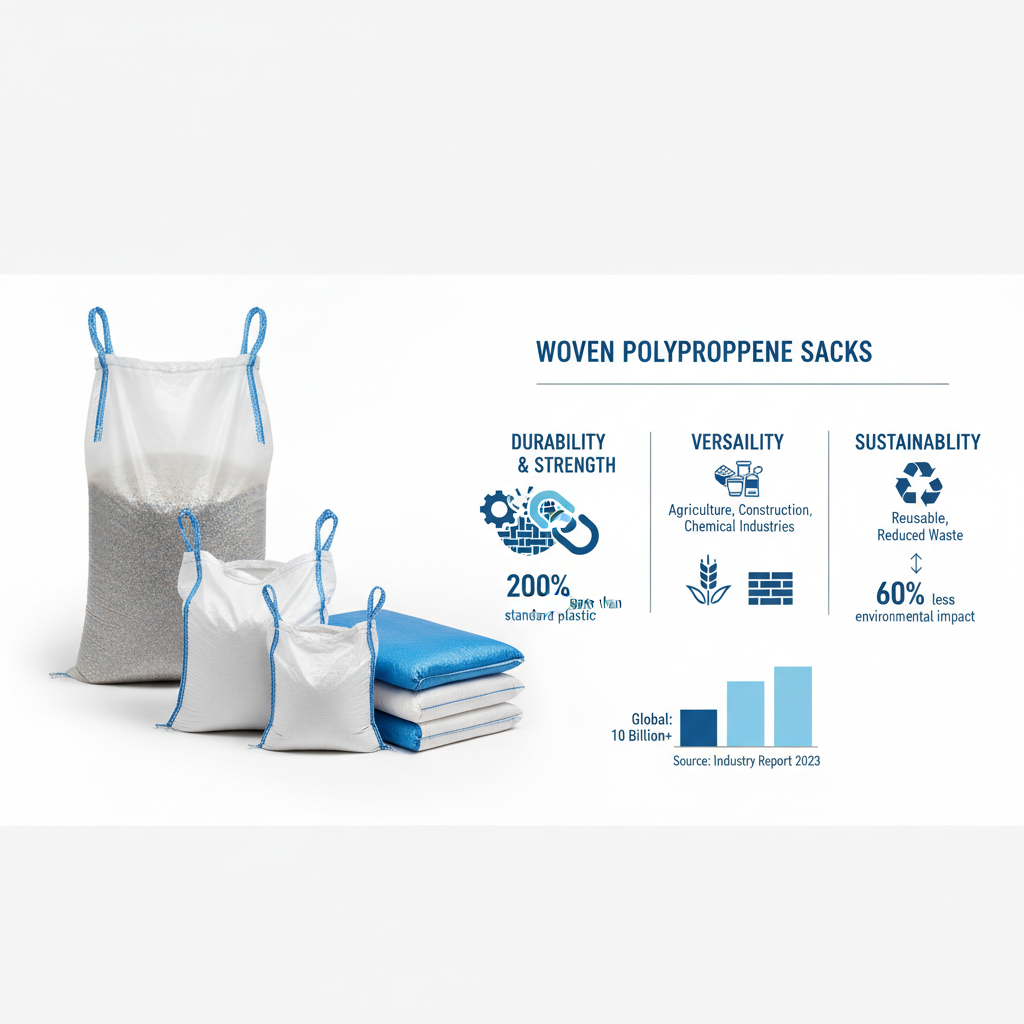
Using large woven polypropylene sacks offers numerous advantages, including: Cost-effectiveness compared to other packaging materials, High strength-to-weight ratio, reducing shipping costs, Excellent moisture resistance, protecting products from damage, Customization options for branding and product information, and Recyclability, contributing to sustainable packaging practices. These benefits make PP sacks a preferred choice for businesses looking for reliable and economical packaging solutions.
Considerations When Selecting PP Sacks
When selecting large woven polypropylene sacks, consider the following factors: Product Weight: Ensure the sack's loading weight capacity exceeds the product weight, Moisture Sensitivity: Choose laminated sacks for products susceptible to moisture damage, Shipping Conditions: Consider the potential for rough handling during transport, and Regulatory Requirements: Ensure the sacks comply with relevant safety and environmental regulations. Partnering with a reputable supplier like SSJT Pack can provide expert guidance in selecting the right sack for your specific application.
Conclusion: A Reliable Packaging Solution
Large woven polypropylene sacks provide a reliable, cost-effective, and versatile packaging solution for a wide range of industries. By carefully considering your product's specific needs and working with a trusted supplier like SSJT Pack, you can ensure optimal product protection, efficient logistics, and sustainable packaging practices.
Frequently Asked Questions (FAQs)
What is the typical lifespan of a large woven polypropylene sack?
The lifespan of a PP sack depends on factors such as the quality of the material, the weight of the contents, the handling conditions, and exposure to UV light and environmental factors. Generally, a well-maintained sack can be used for multiple trips, especially if it's properly stored when not in use. However, regular inspection for wear and tear, such as tears, punctures, or significant abrasion, is crucial. Sacks showing signs of damage should be replaced to prevent product loss or safety hazards.
Are PP sacks recyclable?
Yes, polypropylene is a recyclable material. However, recycling PP sacks can be complex due to contamination and the presence of liners or coatings. Many recycling facilities accept clean and dry PP sacks, but it's essential to check with your local recycling center to confirm their specific guidelines. SSJT Pack is committed to sustainable practices and can provide information on recycling options.
Can large woven polypropylene sacks be customized with printing?
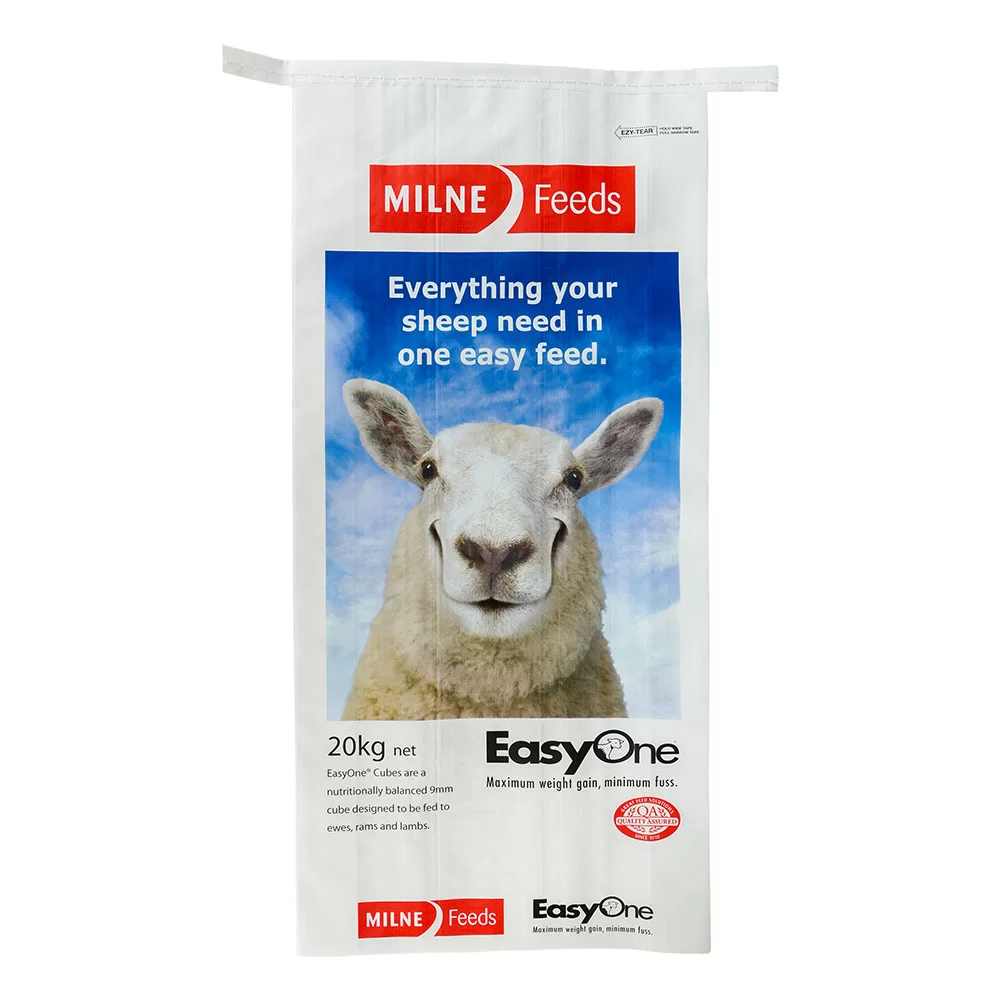
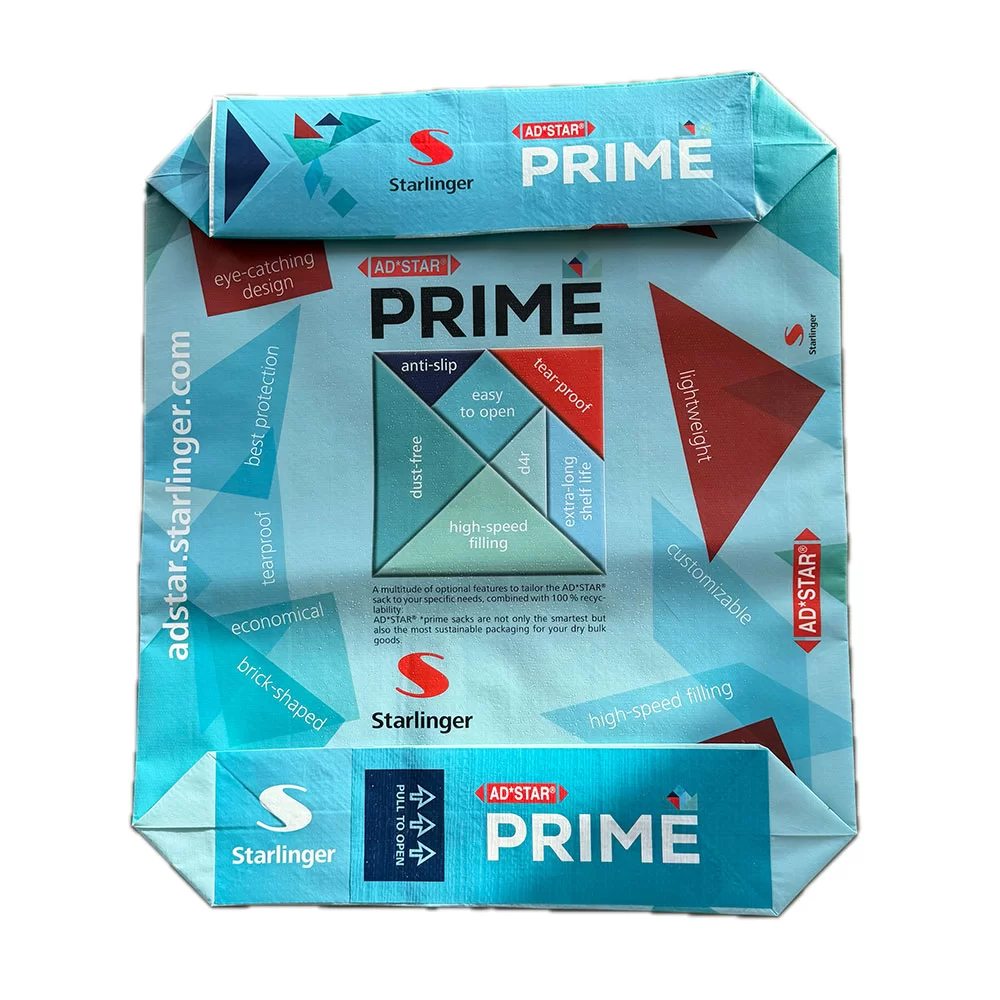
Absolutely! Custom printing is a common feature of PP sacks. SSJT Pack offers a range of printing options, including flexographic printing, which allows for the application of logos, product information, and other designs directly onto the sack’s surface. Printing enhances branding, provides essential product details, and can deter theft or tampering.
What are the different types of liners available for PP sacks?
Various liner options are available to enhance the protection provided by PP sacks. Common liners include polyethylene (PE) liners for moisture resistance, aluminum foil liners for barrier protection against gases and odors, and anti-static liners for sensitive electronic components. The choice of liner depends on the specific requirements of the product being packaged.
Hit enter to search or ESC to close


