
Understanding PP Woven Bag Price Factors and Cost Optimization Strategies
March 17, 2026
Understanding PP Woven Bag Price: A Comprehensive Guide
Navigating the world of packaging, PP woven bags are a versatile and cost-effective solution for a wide array of industries. Understanding the factors that influence pp woven bag price is crucial for businesses looking to optimize their packaging costs without compromising quality. This article delves into the components that determine the price of these bags, providing a clear and concise overview for informed purchasing decisions. From material costs and bag specifications to order volume and customization options, we’ll cover everything you need to know.
Factors Influencing PP Woven Bag Price
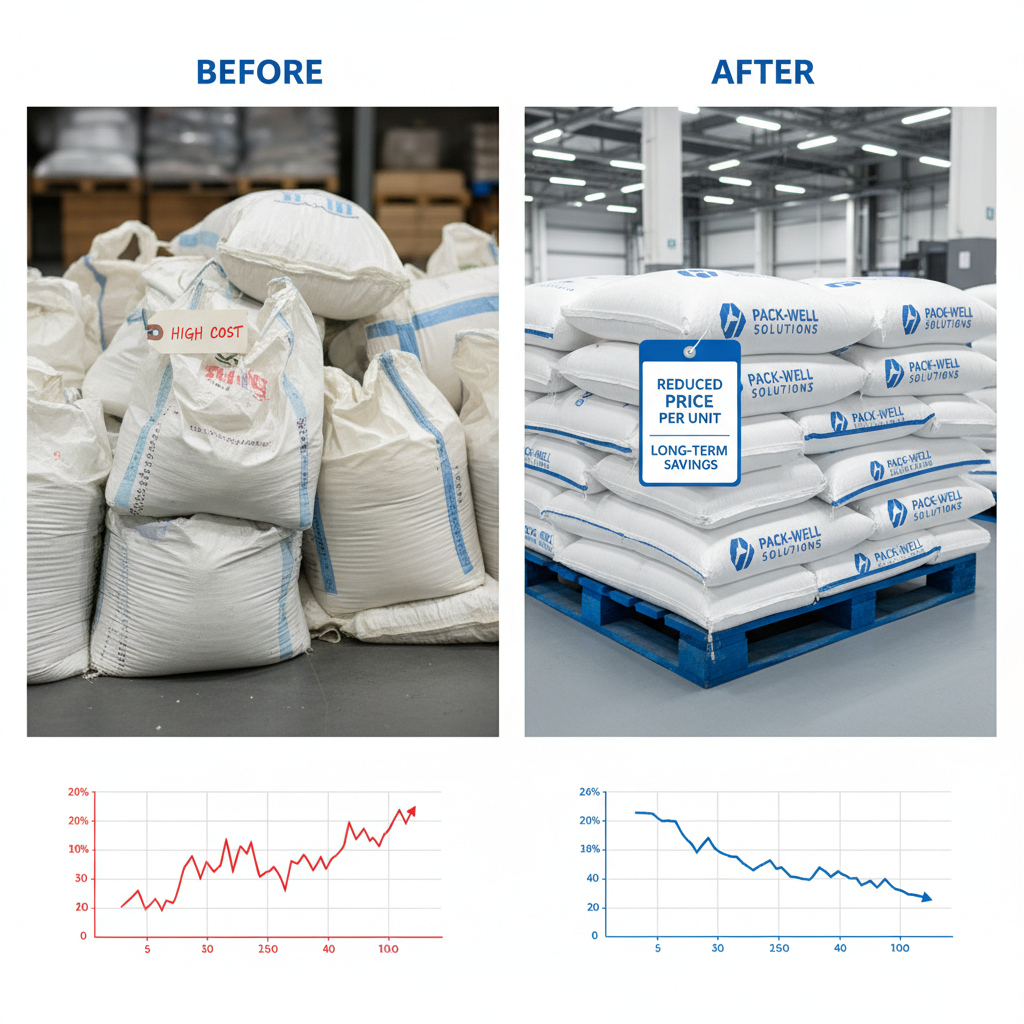
Several key factors contribute to the final pp woven bag price. The primary driver is the cost of polypropylene (PP) resin, which fluctuates based on crude oil prices and market demand. Bag dimensions (length, width, and gusset), denier (fabric thickness), and GSM (grams per square meter) all directly impact material usage and thus, the price. Higher denier and GSM indicate a stronger, more durable bag, but also a higher cost. Printing complexity, lamination type (if any), and added features like handles, liners, or valves also add to the overall expense. Finally, order quantity plays a significant role, with larger orders typically benefiting from economies of scale.
Key Takeaway: Understanding the interplay between material costs, bag specifications, and order volume is essential for getting the best possible price on PP woven bags.
The Impact of Bag Specifications on Price
The specific characteristics of the PP woven bag significantly influence its price point. A bag with a higher denier (e.g., 600D) will be more expensive than one with a lower denier (e.g., 150D) because it requires more material. Similarly, a bag with a larger capacity or a reinforced bottom will naturally cost more. The addition of features like a PE liner (for waterproofing), handles (woven or die-cut), or a duffel top also contribute to the overall price. Consider your specific application and required durability when determining the optimal specifications for your needs – striking a balance between cost and performance is vital.
Specification Considerations:
• Denier: Higher denier = Greater strength, higher cost
• GSM: Higher GSM = Greater durability, higher cost
• Lamination: Adds waterproofing and strength, increases cost
• Handles: Adds convenience, increases cost
Comparing PP Woven Bag Prices Based on Order Quantity
Order volume is a major determinant of pp woven bag price. Manufacturers offer tiered pricing, meaning the per-bag cost decreases as the order quantity increases. This is due to economies of scale in production – larger orders allow for more efficient use of materials and labor. A small order of 500 bags will invariably be more expensive per unit than an order of 5,000 or 10,000 bags. Planning ahead and consolidating your packaging needs can lead to significant cost savings.
Disclaimer: Prices are estimates only and vary significantly based on specifications.Customization and Printing Costs
Customization, particularly printing, adds to the pp woven bag price. The number of colors in the design, the size of the print area, and the printing method (e.g., flexography, rotogravure) all impact the cost. More complex designs and multiple colors will naturally be more expensive. Additionally, creating printing plates or cylinders incurs a setup fee. Consider simplifying your design or using fewer colors to reduce printing costs. SSJT Pack offers various printing options to meet different budgetary needs.
Finding the Best PP Woven Bag Price: Tips & Considerations
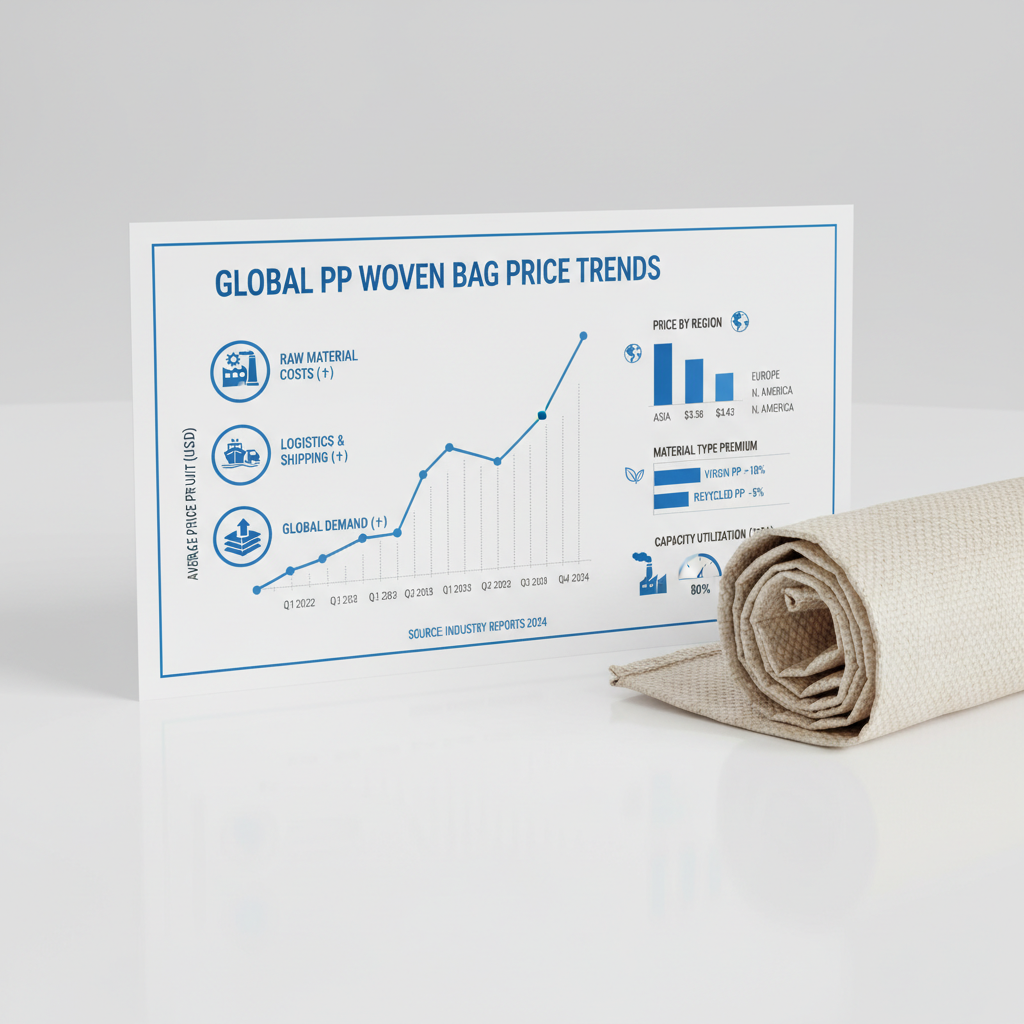
To secure the best possible pp woven bag price, follow these tips: Obtain quotes from multiple suppliers. Clearly specify your bag requirements. Consider consolidating your orders. Negotiate pricing based on volume and long-term partnerships. Be flexible with design and printing options. Finally, prioritize quality – a slightly higher price for a durable bag can save you money in the long run by reducing the need for replacements. Partner with a reputable supplier like SSJT Pack to ensure you receive quality bags at competitive prices.
Conclusion: Making Informed Decisions About PP Woven Bag Pricing
Understanding the nuances of pp woven bag price is critical for businesses aiming to optimize their packaging spend. By carefully considering the factors discussed – material costs, specifications, order volume, and customization – you can make informed decisions and secure the best value for your investment. SSJT Pack is dedicated to providing high-quality, cost-effective PP woven bag solutions to meet your specific needs.
Frequently Asked Questions (FAQs)
What is the typical lead time for PP woven bag orders?
Lead times vary depending on the order quantity, bag specifications, and current production schedule. Generally, standard orders take between 20-30 days to produce. Complex orders with extensive customization may require longer lead times. We recommend discussing your timeline with the supplier during the quoting process to ensure timely delivery. SSJT Pack strives to provide efficient and reliable production timelines.
Can I request a sample before placing a large order?
Absolutely. Most reputable suppliers, including SSJT Pack, are happy to provide samples so you can assess the quality, material, and printing. Sample costs may apply, but these are often deductible from the final order value. Requesting a sample is a crucial step in ensuring the bags meet your expectations.
What are the payment terms typically offered for PP woven bag orders?
Common payment terms include a 30-50% deposit upon order confirmation, with the remaining balance due before shipment. Letter of Credit (L/C) is also an option for larger orders. Negotiate payment terms with your supplier to find an arrangement that works for both parties. SSJT Pack offers flexible payment options to accommodate diverse customer needs.
Are PP woven bags recyclable?
While PP woven bags are not easily recyclable through traditional curbside programs, they are recyclable through specialized plastic film recycling facilities. The recyclability depends on local infrastructure. Many manufacturers, including SSJT Pack, are exploring options for using recycled PP materials in bag production, promoting a more circular economy.
Hit enter to search or ESC to close


