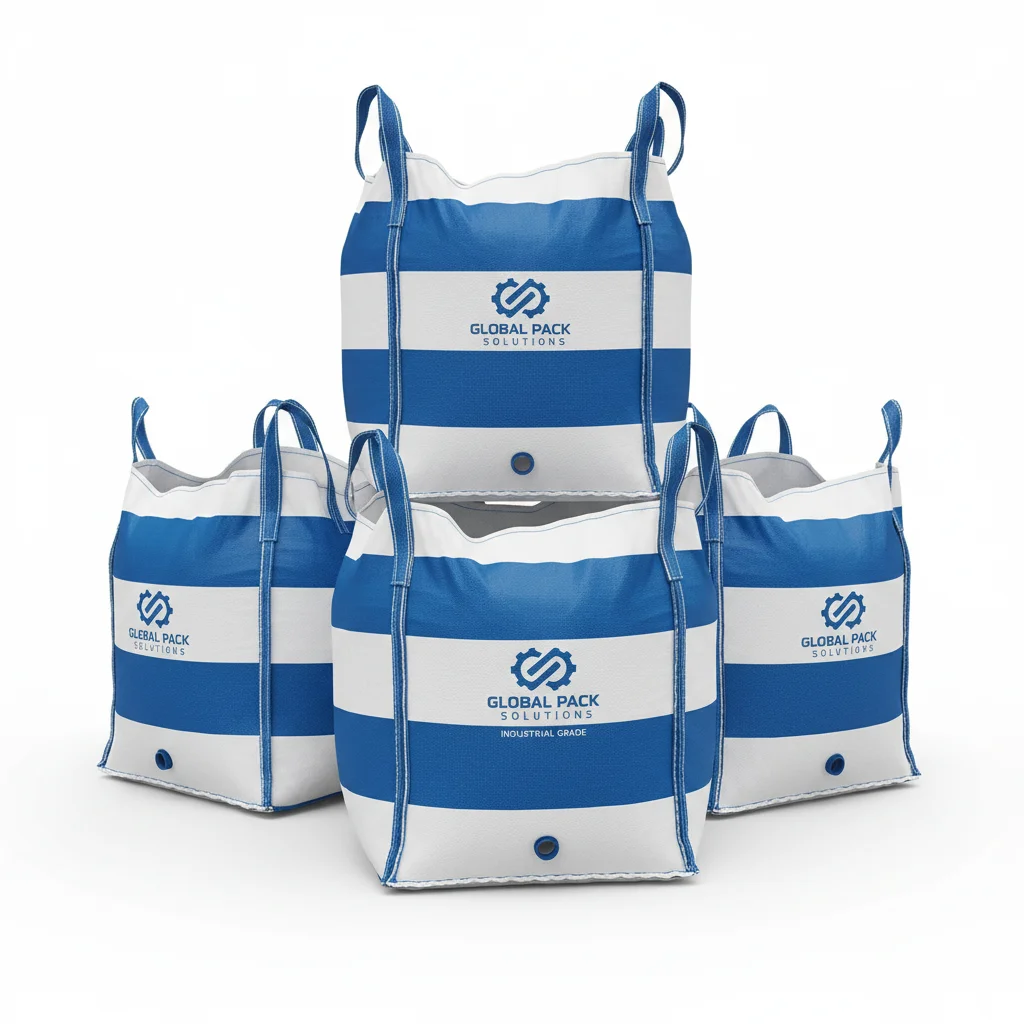
Woven polypropylene (PP) bags, also known as polypropylene sacks, are a ubiquitous packaging solution found across a multitude of industries globally. Their versatility, affordability, and strength make them indispensable for transporting and storing granular and powdery materials. From agricultural products like grain and fertilizer to construction materials like cement and sand, woven polypropylene pp bags play a critical role in global supply chains, impacting everything from food security to infrastructure development. Understanding their properties, applications, and evolving innovations is essential for businesses and organizations seeking efficient and cost-effective packaging solutions.
The increasing demand for woven polypropylene pp bags reflects a broader trend towards flexible packaging, driven by factors such as reduced shipping costs, improved product protection, and sustainable material options. While traditionally derived from fossil fuels, ongoing research is focused on incorporating recycled materials and bio-based polymers into PP production, addressing growing environmental concerns. The global woven polypropylene market is a multi-billion dollar industry with substantial growth potential, particularly in emerging economies experiencing rapid industrialization and agricultural expansion.
These bags address a critical need for durable, scalable, and cost-effective packaging solutions. Their widespread adoption isn’t merely a matter of convenience; it’s fundamental to ensuring the safe and efficient transport of vital commodities around the world, directly influencing global trade and economic stability. Choosing the right woven polypropylene pp bags is crucial for preserving product integrity, reducing waste, and optimizing logistical operations.
Introduction to woven polypropylene pp bags
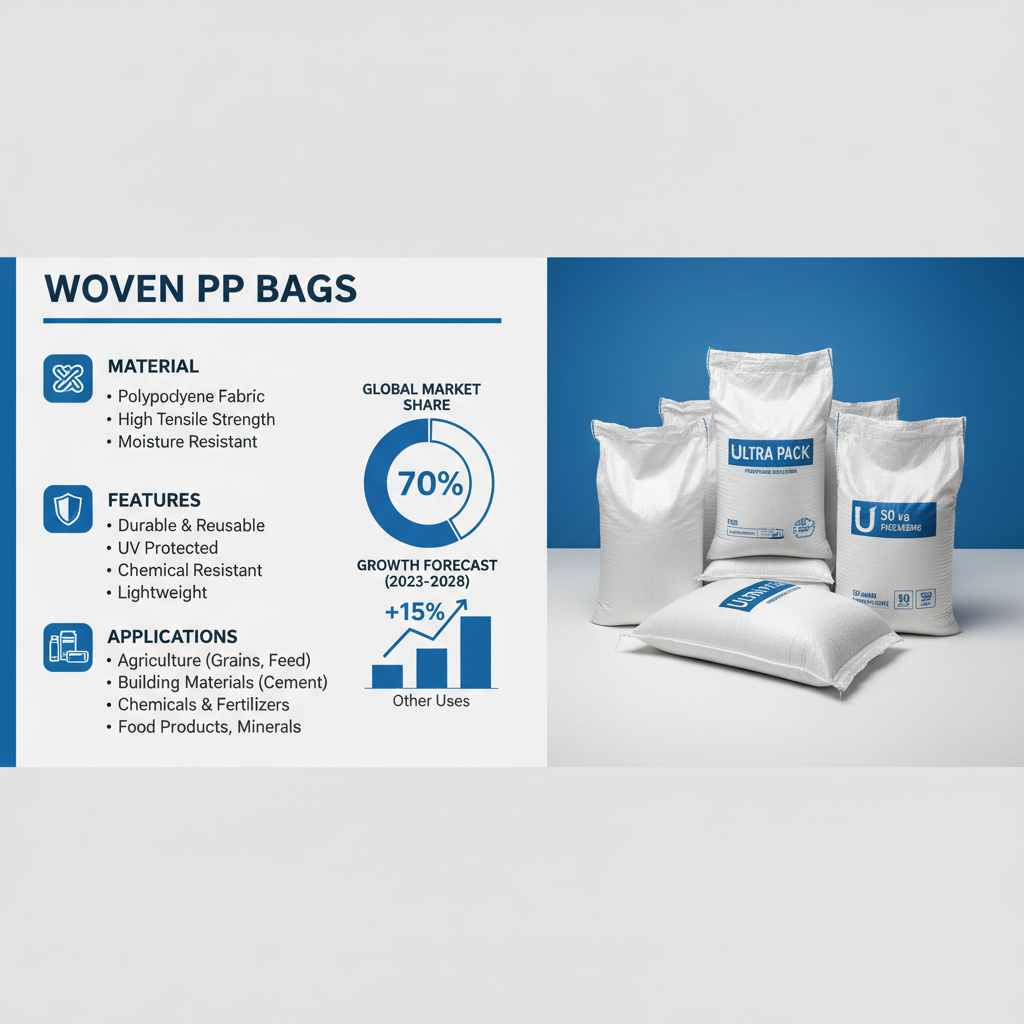
Woven polypropylene pp bags are fundamentally engineered for robustness. The process of weaving polypropylene resin into a fabric creates a material with exceptional tensile strength and tear resistance. This inherent strength allows these bags to reliably contain heavy loads without compromising their integrity, making them ideal for industries handling bulk materials. woven polypropylene pp bags are designed to withstand the rigors of transportation and storage.
Beyond their structural strength, woven polypropylene pp bags offer a cost-effective packaging solution. The relatively low cost of polypropylene resin, coupled with efficient manufacturing processes, translates to an affordable price point for end-users. This economic advantage is particularly crucial for industries operating on tight margins, where packaging costs can significantly impact profitability.
Global Relevance and Industry Context
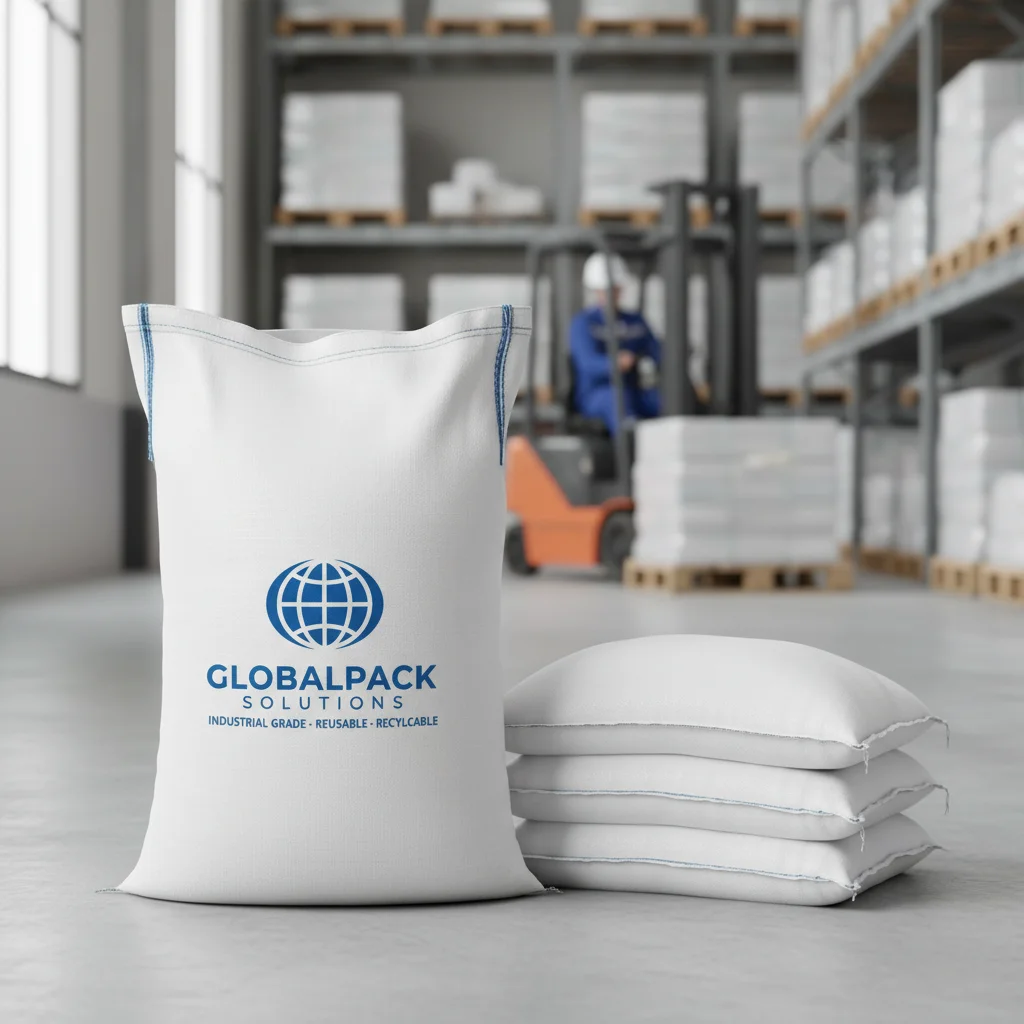
The global demand for woven polypropylene pp bags is intricately linked to worldwide agricultural output and industrial production. The United Nations Food and Agriculture Organization (FAO) estimates that over half of the world's food supply is transported in packaging materials, with polypropylene playing a significant role. Similarly, the construction industry, fueled by infrastructure development in emerging economies, relies heavily on these bags for cement, sand, and other building materials.
A challenge facing the industry is the increasing focus on sustainability. Traditional polypropylene is a petroleum-based product, contributing to carbon emissions and plastic waste. The World Bank is actively promoting circular economy initiatives, including the development of recyclable and biodegradable packaging materials. This pressure is driving innovation in the woven polypropylene sector, pushing manufacturers to explore alternatives and improve recycling infrastructure.
ISO standards, specifically those related to packaging and material testing, are critical in ensuring the quality and safety of woven polypropylene pp bags. Compliance with these standards assures customers that the bags meet specific performance criteria, providing confidence in their ability to protect products during transit and storage. A consistent and standardized approach to production is fundamental for global trade.
Defining Woven Polypropylene pp Bags
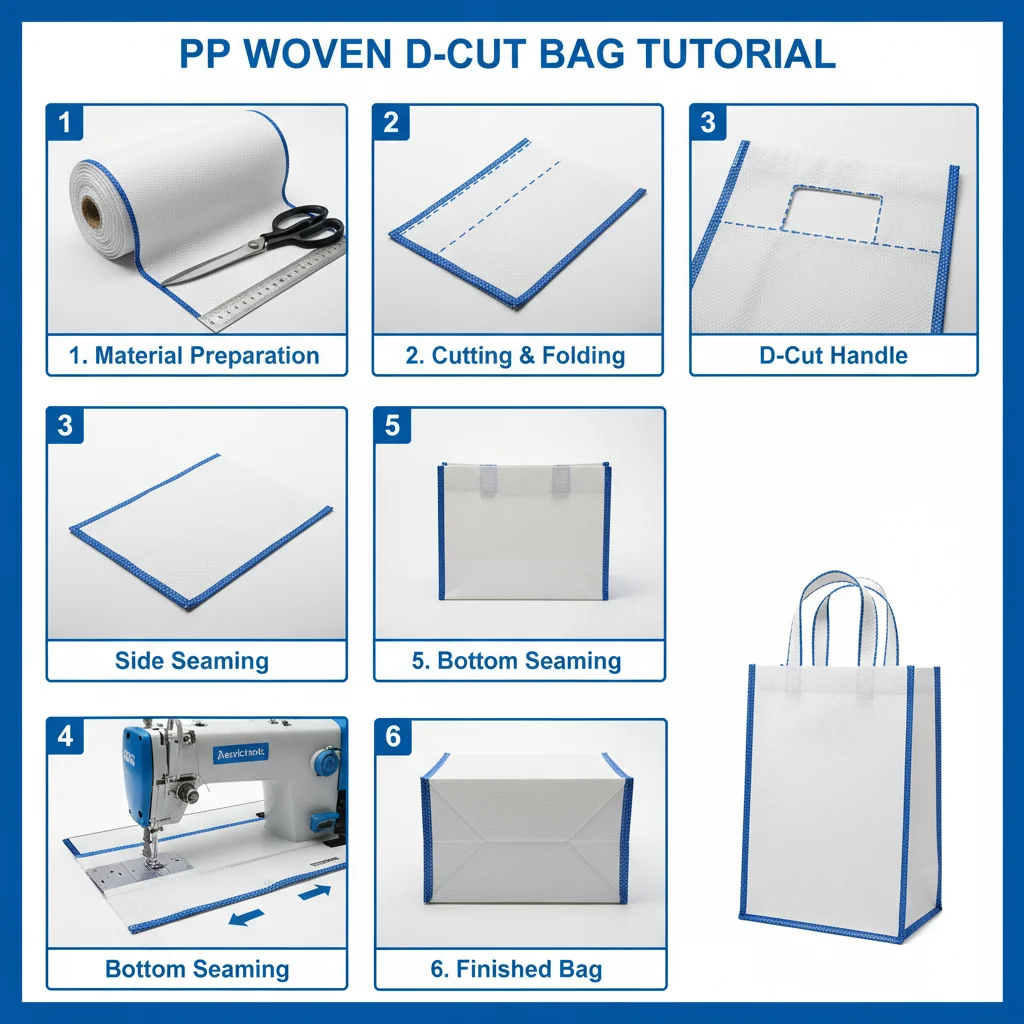
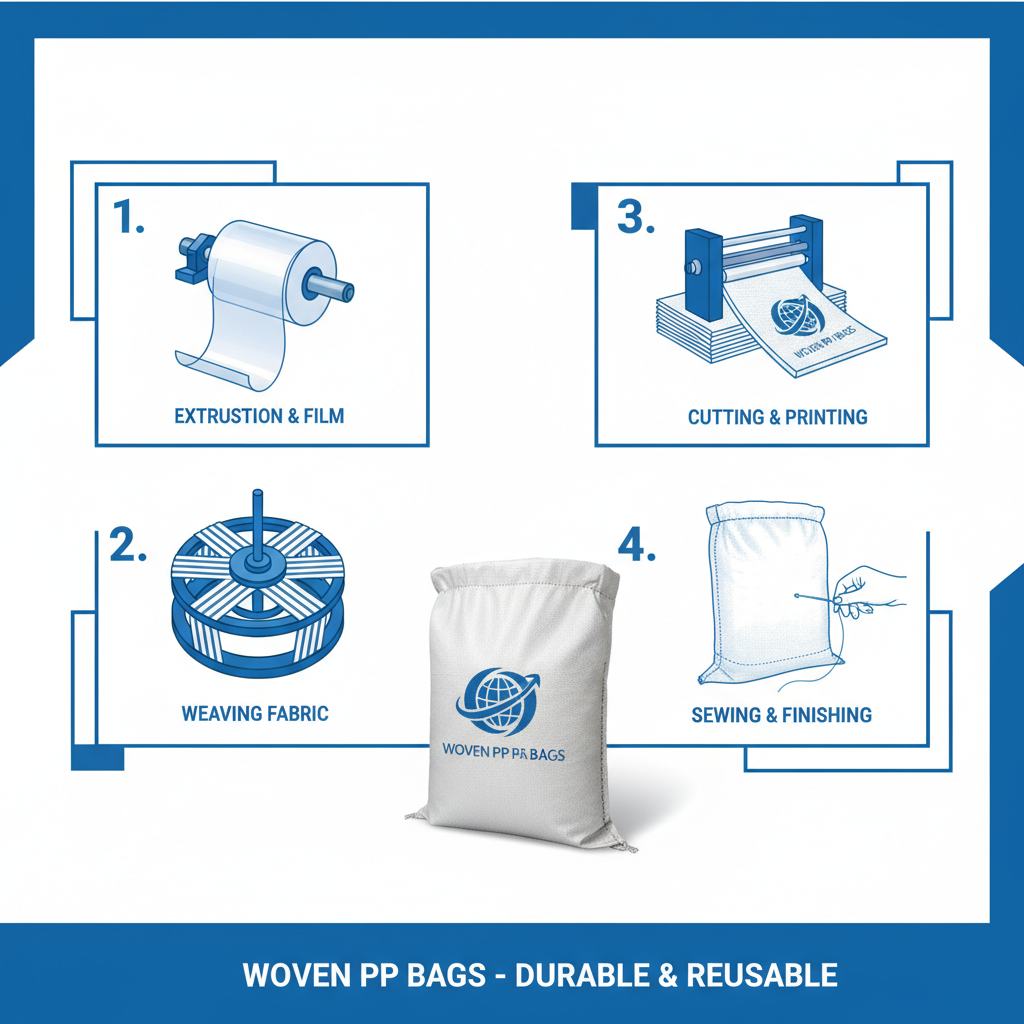
Woven polypropylene pp bags are constructed from polypropylene resin, a thermoplastic polymer known for its versatility and durability. The manufacturing process involves extruding the polypropylene into ribbons, which are then woven together to create a fabric. This fabric is then laminated, coated, or printed to enhance its properties and provide branding opportunities. The resulting bag is remarkably strong for its weight and offers excellent resistance to moisture, chemicals, and abrasion.
Their connection to modern industry is profound. The efficiency they provide in material handling, storage, and transportation directly supports global supply chains. In humanitarian contexts, woven polypropylene pp bags are crucial for distributing food aid, providing emergency shelter components, and delivering essential supplies during disaster relief efforts. They represent a practical and cost-effective solution for addressing fundamental needs.
The characteristics of woven polypropylene pp bags, from their tensile strength to their moisture resistance, make them a superior choice over alternative packaging materials like paper or jute in many applications. This is not merely about cost; it’s about ensuring that goods arrive at their destination safely and securely, minimizing waste and maximizing efficiency.
Key Factors of woven polypropylene pp bags
Durability: The woven construction provides exceptional tensile strength and tear resistance, allowing the bags to withstand heavy loads and harsh handling conditions. This is paramount for minimizing product damage during transportation and storage.
Cost Efficiency: Polypropylene is a relatively inexpensive material, and the manufacturing process is highly efficient, making woven polypropylene pp bags a cost-effective packaging solution.
Comparison of woven polypropylene pp bags Characteristics
Global Applications and Use Cases
In agriculture, woven polypropylene pp bags are essential for packaging and transporting grains, seeds, fertilizers, and animal feed. In post-disaster relief operations, they are used to pack and distribute food rations, clothing, and shelter materials, offering a robust and reliable solution for emergency aid.
In remote industrial zones, these bags are utilized for transporting construction materials, chemicals, and mining products, where durability and cost-effectiveness are paramount. Moreover, the chemical industry relies on woven polypropylene pp bags for packaging powders and granular substances, leveraging their chemical resistance and impermeability.
Advantages and Long-Term Value
The primary advantage of woven polypropylene pp bags lies in their cost-effectiveness, particularly when compared to alternatives like paper or plastic films for bulk packaging. Beyond the initial cost savings, their durability translates to reduced product damage and waste, contributing to long-term economic benefits. This reliability builds trust with customers and streamlines supply chain operations.
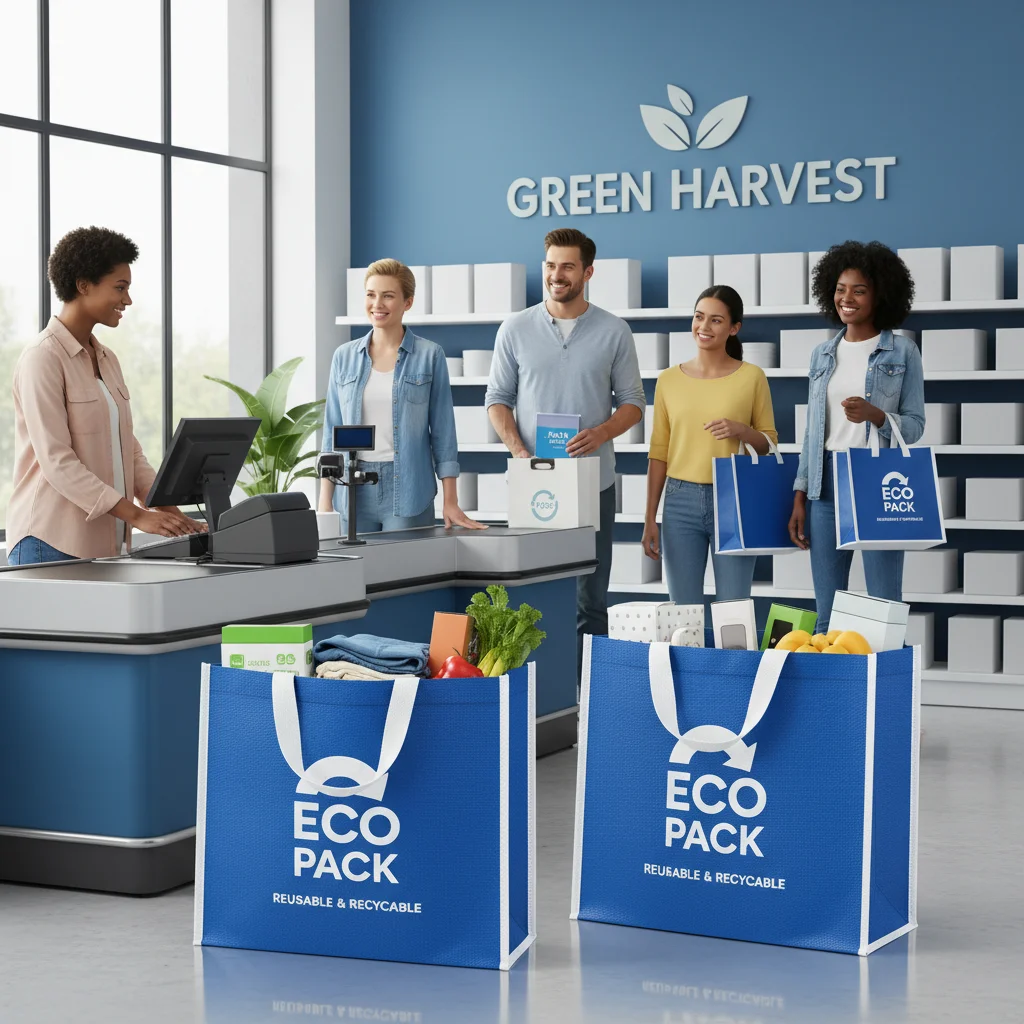
From a sustainability perspective, polypropylene is increasingly recyclable, and ongoing research is focused on developing biodegradable options. This commitment to environmental responsibility aligns with growing consumer demand for eco-friendly packaging solutions. Investing in these materials demonstrates a commitment to ethical business practices and a reduced environmental footprint.
Future Trends and Innovations
The future of woven polypropylene pp bags is being shaped by several key trends. Bio-based polypropylene, derived from renewable resources, is gaining traction as a sustainable alternative to fossil fuel-based materials. Digital printing technologies are allowing for more sophisticated branding and tracking capabilities, enhancing supply chain visibility.
Automation in the manufacturing process is increasing efficiency and reducing production costs. Smart packaging solutions, incorporating RFID tags or QR codes, are enabling real-time monitoring of goods throughout the supply chain. These innovations are transforming woven polypropylene pp bags into more sophisticated and versatile packaging solutions.
Research into enhancing the recyclability of woven polypropylene pp bags is also a major focus, including the development of improved collection and sorting infrastructure. Combining these advancements will result in a material that is both highly functional and environmentally responsible.
Summary of woven polypropylene pp bags Challenges and Potential Solutions
| Challenge |
Impact on woven polypropylene pp bags |
Potential Solution |
Implementation Difficulty (1-10) |
| Limited Recyclability |
Contributes to plastic waste accumulation. |
Investment in advanced recycling technologies and infrastructure. |
7 |
| Dependence on Fossil Fuels |
Increases carbon footprint. |
Transition to bio-based polypropylene materials. |
6 |
| Microplastic Shedding |
Potential environmental contamination. |
Development of coatings to reduce microplastic release. |
5 |
| Supply Chain Transparency |
Difficulty tracking material origins and environmental impact. |
Implementation of blockchain technology for traceability. |
8 |
| Competition from Alternatives |
Pressure to reduce costs and improve sustainability. |
Focus on innovation and differentiation through performance. |
4 |
| Limited Degradability |
Persistence in the environment after disposal. |
Research and development of biodegradable additives. |
9 |
FAQS
Woven polypropylene pp bags are incredibly versatile and are widely used for packaging and transporting bulk materials like grains, fertilizers, animal feed, cement, sand, and various industrial products. Their strength, durability, and cost-effectiveness make them ideal for these applications. They are also utilized in disaster relief efforts for distributing essential supplies.
While polypropylene is technically recyclable, the actual recycling rates for woven pp bags are currently relatively low due to logistical challenges and the complexities of the woven structure. However, increasing investment in recycling infrastructure and the development of advanced recycling technologies are improving the recyclability of these bags. Look for programs in your area that accept #5 plastics.
The lifespan of a woven polypropylene pp bag depends on the quality of the material, the severity of the use conditions, and whether it’s designed for single or multiple use. High-quality bags used for transporting less abrasive materials can last for several years with proper handling. However, bags exposed to harsh conditions or used for abrasive materials may have a shorter lifespan.
Yes, woven polypropylene pp bags can be easily customized with printing using various techniques, including flexographic printing. This allows for branding, product information, and other essential details to be displayed on the bags. Custom printing can enhance brand recognition and provide valuable information to consumers.
Woven polypropylene pp bags are generally more cost-effective than many alternative packaging materials, particularly for bulk products. They offer a lower price point compared to options like paper bags, multi-wall paper bags, or certain types of plastic films, making them a popular choice for businesses seeking to minimize packaging costs.
Several eco-friendly alternatives are emerging, including bags made from bio-based polypropylene derived from renewable resources. Additionally, exploring options for incorporating recycled polypropylene into the manufacturing process is a growing trend. Choosing bags with a higher percentage of recycled content is a step towards more sustainable packaging.
Conclusion
Woven polypropylene pp bags stand as a cornerstone of modern logistics and supply chain management, offering a unique combination of durability, cost-effectiveness, and versatility. From agricultural products to construction materials and humanitarian aid, their applications are vast and their impact is profound. Recognizing the importance of sustainability, the industry is actively pursuing innovations in materials, recycling processes, and eco-friendly alternatives.
Looking ahead, continued investment in research and development, coupled with a commitment to circular economy principles, will be crucial for ensuring that woven polypropylene pp bags remain a viable and responsible packaging solution for years to come. Explore our extensive range of woven polypropylene pp bags and find the perfect solution for your packaging needs. Visit our website: www.ssjtpack.com.