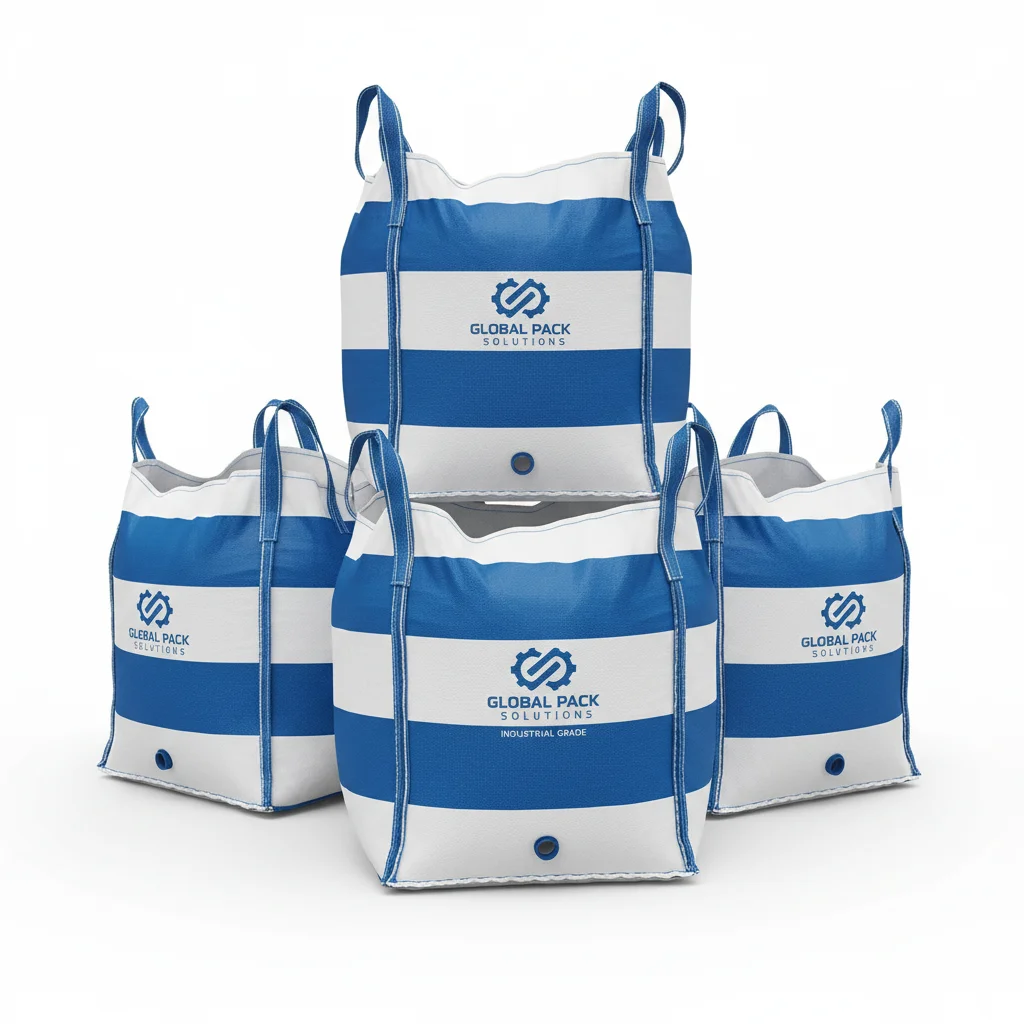
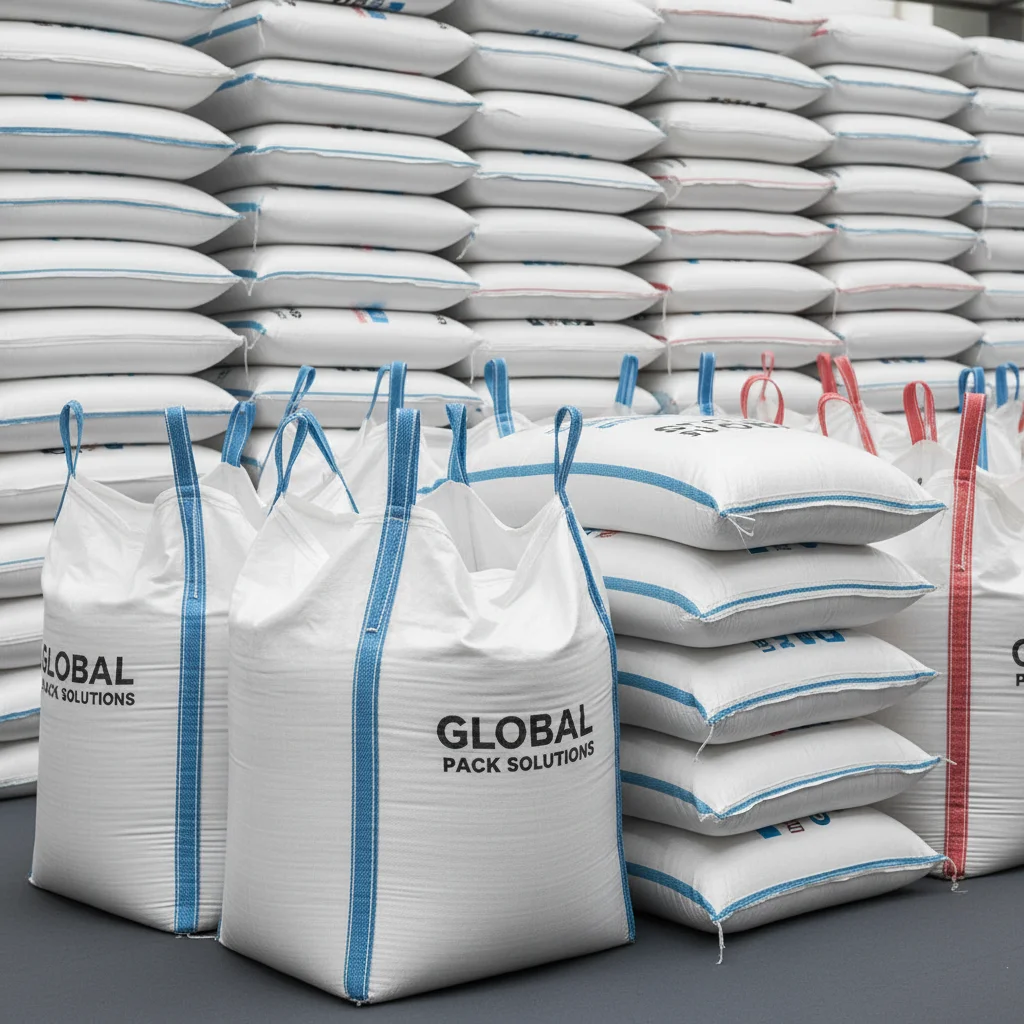
Exploring the Versatility and Global Impact of PP Woven Sack Fabric
  • Home
  • top blog
0%

Table of Contents

pp woven sack fabric plays a vital role in global trade and logistics, serving as a cost-effective and durable packaging solution for a wide array of industries. From agricultural products like grains and fertilizers to industrial goods and building materials, these sacks are ubiquitous in supply chains worldwide. Understanding their properties, manufacturing processes, and applications is crucial for businesses seeking efficient and reliable packaging options.

The increasing demand for efficient and sustainable packaging solutions has propelled the growth of the pp woven sack fabric industry. As global trade expands, so does the need for robust and affordable packaging. Innovations in polymer technology and weaving techniques are continuously enhancing the performance characteristics of these sacks, making them an increasingly attractive alternative to traditional packaging materials like paper and jute. pp woven sack fabric continues to evolve to meet these changing demands.

Moreover, pp woven sack fabric is increasingly recognized for its potential in humanitarian aid and disaster relief. Its durability, water resistance, and relative affordability make it ideal for transporting and storing essential supplies in challenging environments. This has led to its widespread adoption by NGOs and international organizations involved in emergency response efforts.
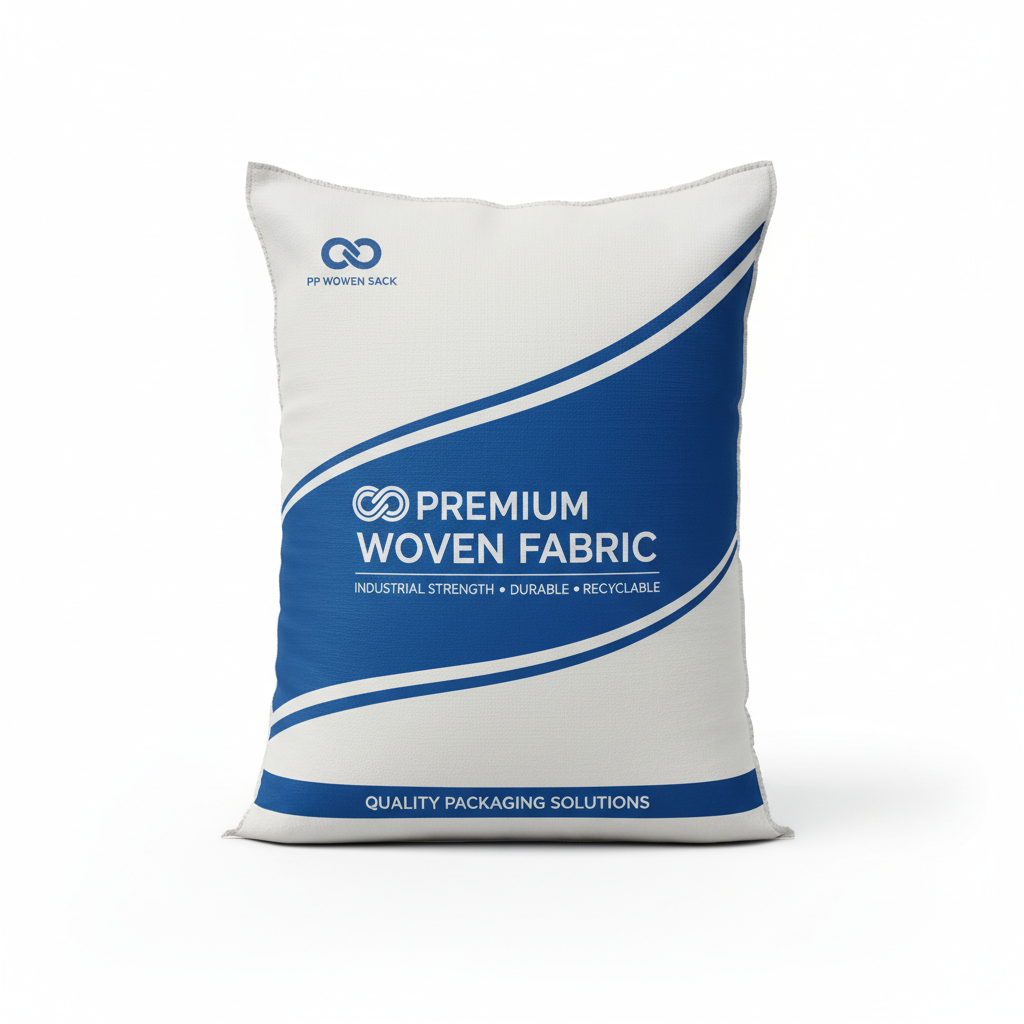
pp woven sack fabric

Introduction to pp woven sack fabric

pp woven sack fabric

Pp woven sack fabric represents a significant advancement in packaging technology, offering a versatile and economical solution for a vast range of applications. Its inherent strength and resistance to tearing and moisture make it ideal for protecting goods during transportation and storage.

The popularity of pp woven sack fabric stems from its ability to be customized to specific requirements. From size and shape to color and printing, manufacturers can tailor these sacks to meet the unique needs of their clients, enhancing brand visibility and product appeal.

Global Relevance and Industry Context

The global market for pp woven sack fabric is estimated to be worth billions of dollars, driven by the growth of industries such as agriculture, construction, and chemicals. According to reports from the UN and World Bank, developing nations are increasingly relying on pp woven sacks for the efficient transportation of vital commodities, bolstering food security and economic development.

One key challenge facing the industry is the increasing focus on sustainability and environmental concerns. While pp woven sacks are durable and reusable, their end-of-life disposal remains a significant issue. This has prompted research into biodegradable and recyclable alternatives, as well as improved recycling infrastructure.

The demand for robust packaging, particularly in emerging markets, continues to be a major growth driver. Pp woven sacks offer a compelling value proposition – a combination of strength, affordability, and versatility – that makes them a preferred choice for many businesses.

Defining pp woven sack fabric

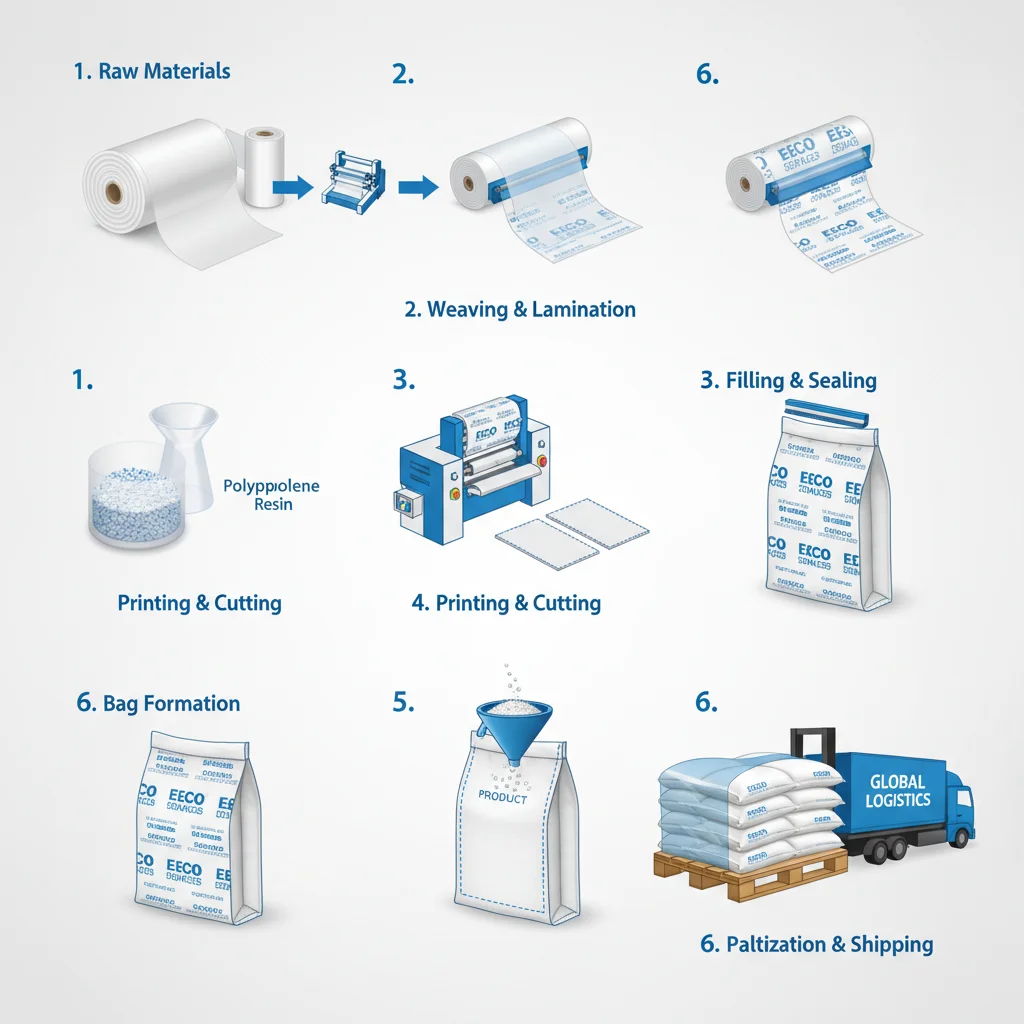
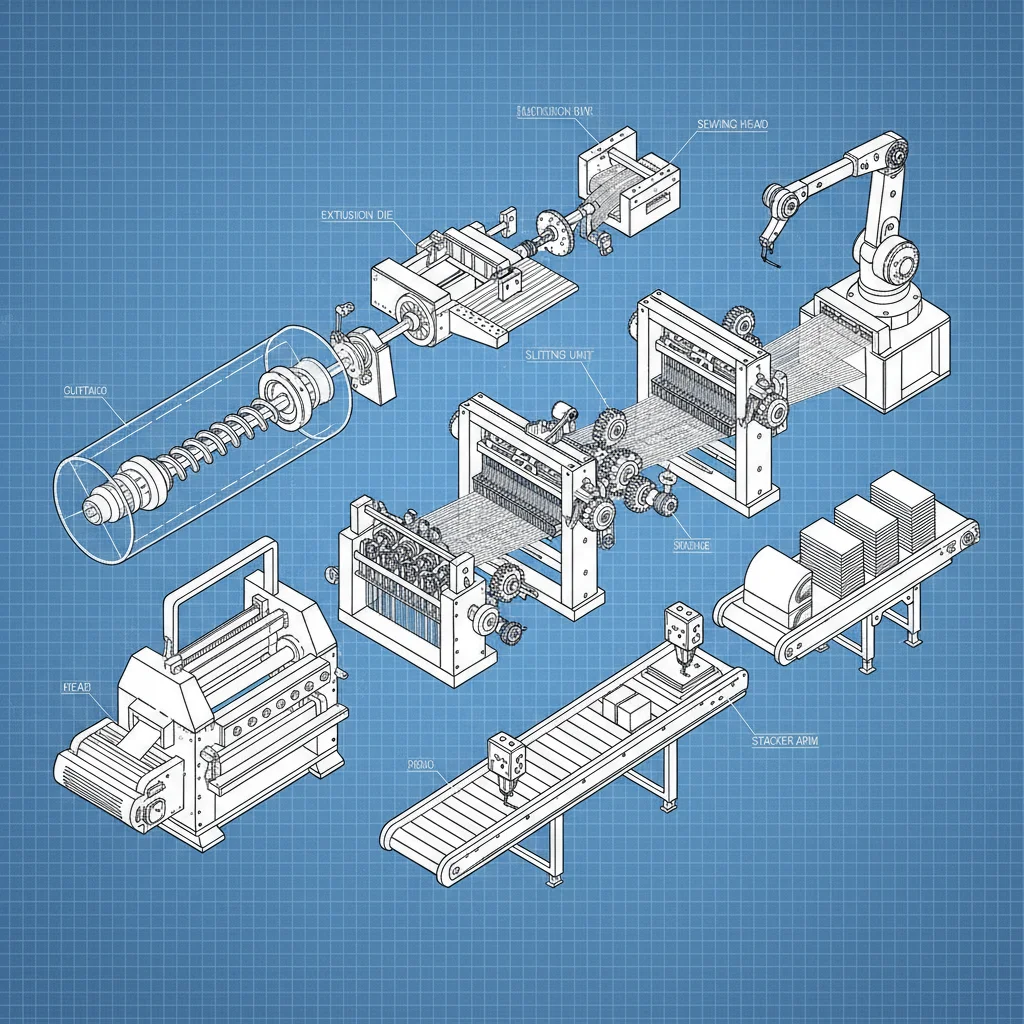
Pp woven sack fabric is a textile produced by weaving strands of polypropylene (PP) plastic. These strands are typically extruded from polypropylene resin, then stretched and woven into a tight fabric structure. This process creates a material that is both strong and lightweight, capable of withstanding considerable stress.

This fabric is intrinsically linked to modern industrial processes and humanitarian needs. Its application extends far beyond simply containing goods; it ensures safe transport, minimizes product loss, and contributes to efficient supply chain management. In contexts where reliable packaging is paramount—such as food distribution or disaster relief—pp woven sacks are often the material of choice.

The resulting fabric is then often coated or laminated with polyethylene (PE) to enhance its moisture resistance and overall durability, making it suitable for a wider range of applications.

Key Characteristics of pp woven sack fabric

Pp woven sack fabric possesses a unique combination of properties that make it a standout packaging material. One of its defining characteristics is its exceptional Durability. The interwoven polypropylene strands create a robust structure resistant to tearing, puncturing, and abrasion, ensuring product protection during transit and storage.

Another key aspect is its impressive Scalability. Pp woven sacks can be manufactured in a wide range of sizes and configurations, adapting to diverse product volumes and dimensions. This flexibility makes them suitable for packaging anything from small agricultural goods to large industrial components.

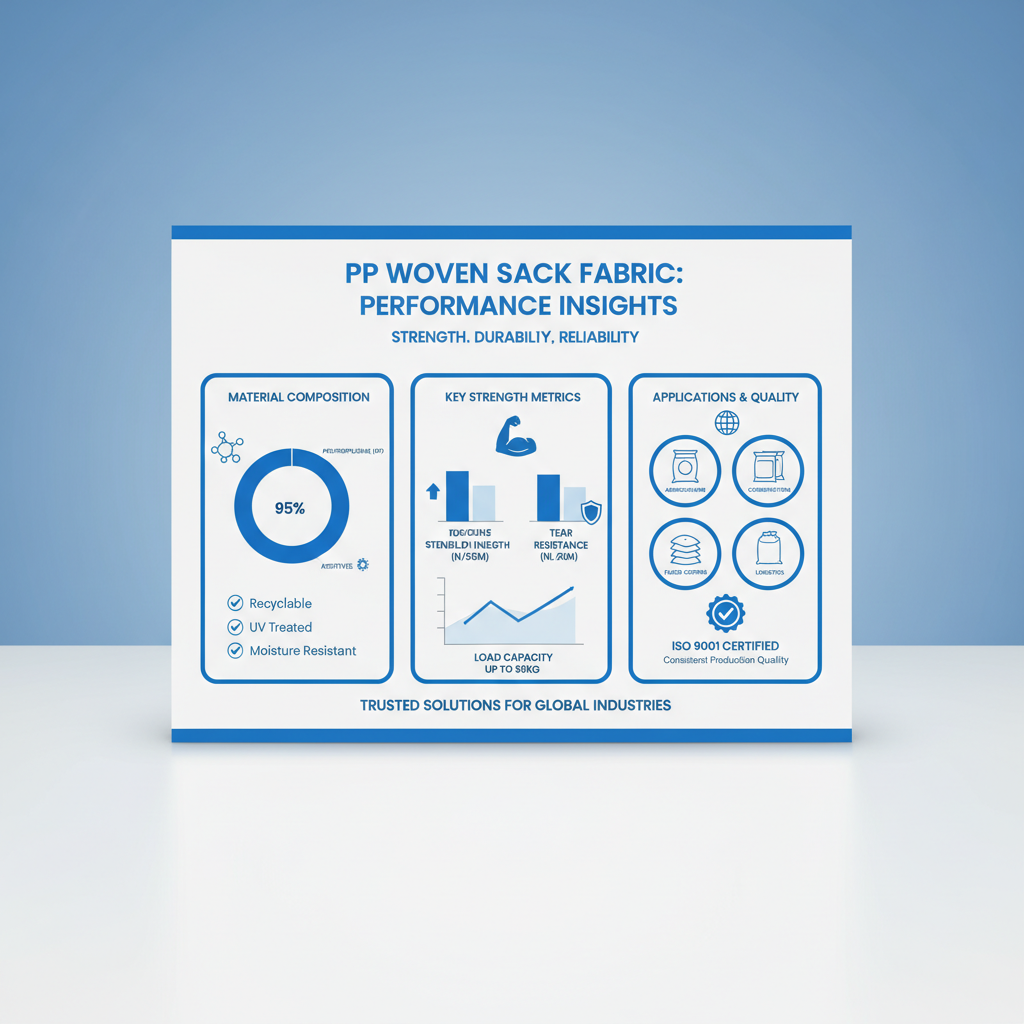
PP Woven Sack Fabric Performance Metrics

Global Applications and Use Cases

Pp woven sack fabric has become indispensable across a wide spectrum of industries globally. In agriculture, it’s extensively used for packaging grains, rice, flour, animal feed, and fertilizers, ensuring these products reach consumers safely and efficiently.

In remote industrial zones and developing nations, pp woven sacks are often the only viable packaging solution due to their affordability and durability. They are used to transport construction materials, chemicals, and other essential goods. In post-disaster relief operations, these sacks are crucial for distributing food, water, and medical supplies to affected communities.

Advantages and Long-Term Value

The advantages of utilizing pp woven sack fabric extend beyond mere containment. A primary benefit is Cost Efficiency. Compared to alternatives like paper or jute, pp woven sacks are significantly more affordable, reducing overall packaging costs for businesses. This translates to greater profitability and competitive pricing.

Furthermore, pp woven sacks offer a substantial Sustainability advantage through their reusability. Their durability allows for multiple uses, reducing the need for constant replacements and minimizing waste. This aligns with growing consumer demand for eco-friendly packaging solutions.

Future Trends and Innovations

The future of pp woven sack fabric is poised for exciting innovations. The integration of digital transformation in manufacturing processes, including advanced weaving techniques and automated quality control systems, will lead to increased efficiency and reduced production costs.

There’s a growing emphasis on developing biodegradable pp woven sacks utilizing bio-based polymers. These materials offer a more sustainable end-of-life solution, addressing environmental concerns and reducing reliance on fossil fuels. Advancements in coating technologies are also leading to improved moisture resistance and enhanced product protection.

The demand for specialized sacks, such as those with antimicrobial properties for food packaging or UV resistance for outdoor storage, is also expected to grow.

FAQS

What is the typical lifespan of a pp woven sack fabric used for agricultural products?

The lifespan of a pp woven sack fabric used for agricultural products varies depending on usage conditions and quality, but generally ranges from 6 months to 2 years with proper handling. Factors like UV exposure, moisture levels, and the weight of the contents all contribute to wear and tear. Higher denier fabrics and UV stabilizers can significantly extend the lifespan.

Are pp woven sacks recyclable, and what are the current recycling processes?

While polypropylene is technically recyclable, recycling rates for pp woven sacks are currently low due to logistical challenges. The sacks often become contaminated with agricultural residue or chemicals, making them difficult to process. However, advancements in cleaning and sorting technologies are improving recyclability. Some regions now offer dedicated recycling programs for pp woven sacks.

What are the main differences between coated and uncoated pp woven sacks?

Uncoated pp woven sacks offer breathability and are suitable for products that need to dry, like certain grains. Coated sacks, typically laminated with polyethylene (PE), provide superior moisture resistance, making them ideal for products susceptible to damage from water or humidity. Coated sacks also offer improved printability for branding.

How does the denier of the polypropylene yarn affect the strength of the sack?

Denier refers to the thickness of the polypropylene yarn. Higher denier yarn equates to a thicker, stronger fabric. Sacks made with higher denier yarn are more resistant to tearing, puncturing, and abrasion, making them suitable for heavier loads and demanding applications. Lower denier yarn is used for lighter-duty applications.

What are the common printing options available for pp woven sacks?

Common printing options for pp woven sacks include flexographic printing and rotogravure printing. Flexographic printing is cost-effective for simpler designs and larger runs, while rotogravure printing offers higher image quality and is suitable for complex designs and smaller runs. Both methods allow for branding, product information, and visual appeal.

How do UV stabilizers extend the life of pp woven sacks exposed to sunlight?

UV stabilizers are additives incorporated into the polypropylene resin during manufacturing. These stabilizers absorb or reflect harmful ultraviolet (UV) radiation from sunlight, preventing the plastic from becoming brittle and degrading over time. This significantly extends the lifespan of sacks used outdoors or exposed to prolonged sunlight.

Conclusion

In conclusion, pp woven sack fabric stands as a cornerstone of modern packaging and logistics, offering a compelling blend of durability, affordability, and versatility. Its global reach extends across diverse industries, facilitating trade, supporting humanitarian efforts, and ensuring the safe transportation of essential goods. Recognizing its core characteristics—strength, scalability, and cost-effectiveness—is vital for businesses seeking optimized packaging solutions.

Looking ahead, continued innovation in materials science and manufacturing processes will unlock even greater potential for pp woven sack fabric. The development of sustainable alternatives, coupled with advancements in recycling infrastructure, will address environmental concerns and solidify its position as a responsible packaging option. To explore the full range of solutions available, visit our website: www.ssjtpack.com
Samuel Carter

Samuel Carter

Samuel Carter is the Lead Structural Design Engineer at Hebei Shengshi Jintang Packaging. He specializes in the design and prototyping of custom packaging solutions tailored to unique client needs. With a background in mechanical engineering and 8 years of experience, Samuel excels at translating conceptual ideas into tangible, market-ready packaging.
Previous Exploring the Versatility and Global Impact of Pp Woven Sack Bag Solutions
Next Understanding Pp Woven Sacks Price Trends and Influencing Factors

If you are interested in our products, you can choose to leave your information here, and we will be in touch with you shortly.