The Essential Role of Woven PP Sacks in Global Trade and Humanitarian Aid
  • Home
  • top blog
0%

Table of Contents

Woven pp sacks, ubiquitous yet often overlooked, are a cornerstone of modern global trade and humanitarian aid. These versatile sacks, constructed from polypropylene, offer a cost-effective and robust solution for packaging and transporting a vast array of goods, ranging from agricultural products and building materials to food aid and disaster relief supplies. Their lightweight nature and high strength-to-weight ratio contribute significantly to reduced transportation costs and efficient logistics.

The increasing demands of a globalized economy and the escalating frequency of humanitarian crises have amplified the importance of reliable and affordable packaging solutions. Woven pp sacks address this need by providing a durable, scalable, and easily customizable option suitable for diverse applications. Understanding their properties, applications, and evolving innovations is crucial for businesses, aid organizations, and policymakers alike.

From the bustling ports handling international cargo to remote villages receiving essential supplies, woven pp sacks play a critical, often unseen, role in connecting producers to consumers and delivering aid to those in need. They represent a practical, adaptable, and increasingly sustainable solution in a world facing complex logistical and humanitarian challenges.
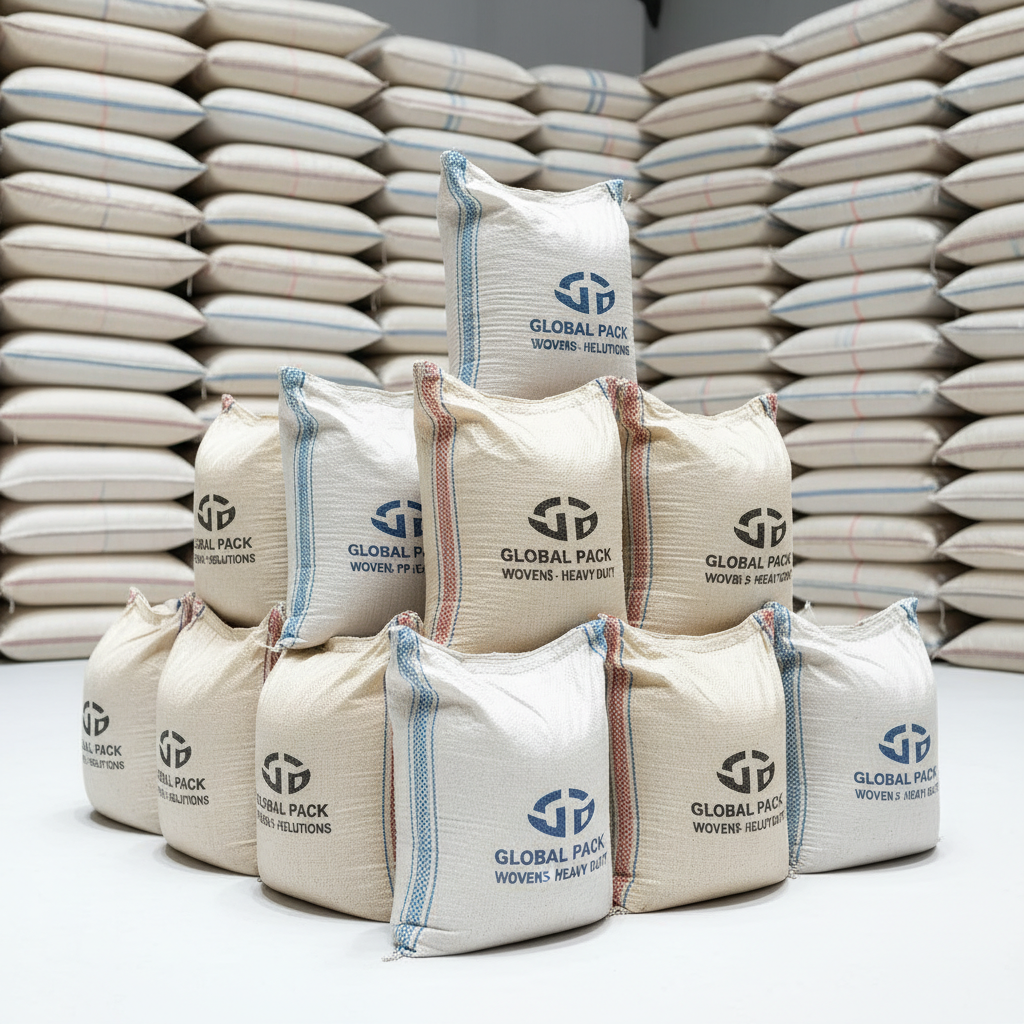
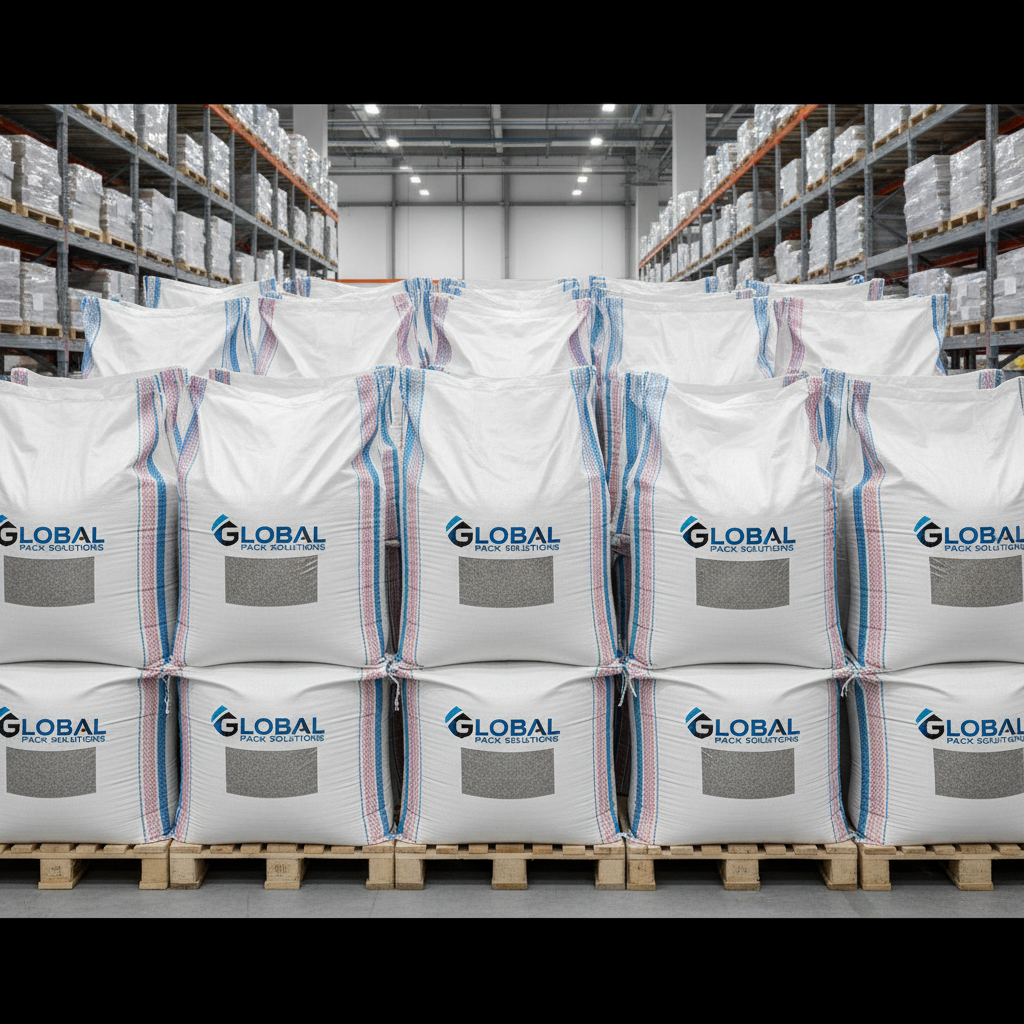
woven pp sacks

Introduction to woven pp sacks

woven pp sacks

Woven polypropylene sacks represent a significant advancement in packaging technology, evolving from simple burlap bags to a high-performance solution for a vast range of industrial and agricultural needs. The core strength of these sacks lies in the weaving process, which interlocks polypropylene strands to create a fabric with exceptional tensile strength and tear resistance.

This inherent durability, combined with the low cost of polypropylene production, has made woven pp sacks the preferred choice for numerous applications, from transporting grain and fertilizer to packaging chemicals and construction materials. The versatility of the material also allows for various coatings and laminations, further enhancing its protective capabilities and extending its potential uses.

Global Relevance and Industry Context

The global market for woven pp sacks is substantial, driven by the continuous growth of international trade and the demand for efficient and cost-effective packaging solutions. According to industry reports, the market is projected to reach billions of dollars in the coming years, with Asia-Pacific representing the largest consumer and producer region. This demand is fueled by burgeoning agricultural sectors in countries like India and China, as well as the rapidly expanding manufacturing industries across Southeast Asia.

The United Nations and various international aid organizations rely heavily on woven pp sacks for the distribution of food aid, emergency supplies, and building materials in disaster-stricken areas. The ISO standards for packaging materials play a vital role in ensuring the quality and safety of these sacks, particularly those used for transporting food and pharmaceuticals. The challenge lies in balancing affordability with sustainability, as the increasing volume of plastic waste necessitates innovative solutions.

A critical problem the prevalence of woven pp sacks addresses is the efficient and safe transport of bulk goods. Without reliable and cost-effective packaging, global supply chains would face significant disruptions, leading to higher costs for consumers and increased food insecurity in vulnerable populations. Woven pp sacks, therefore, aren’t merely packaging; they are a foundational element of global logistics.

Defining woven pp sacks

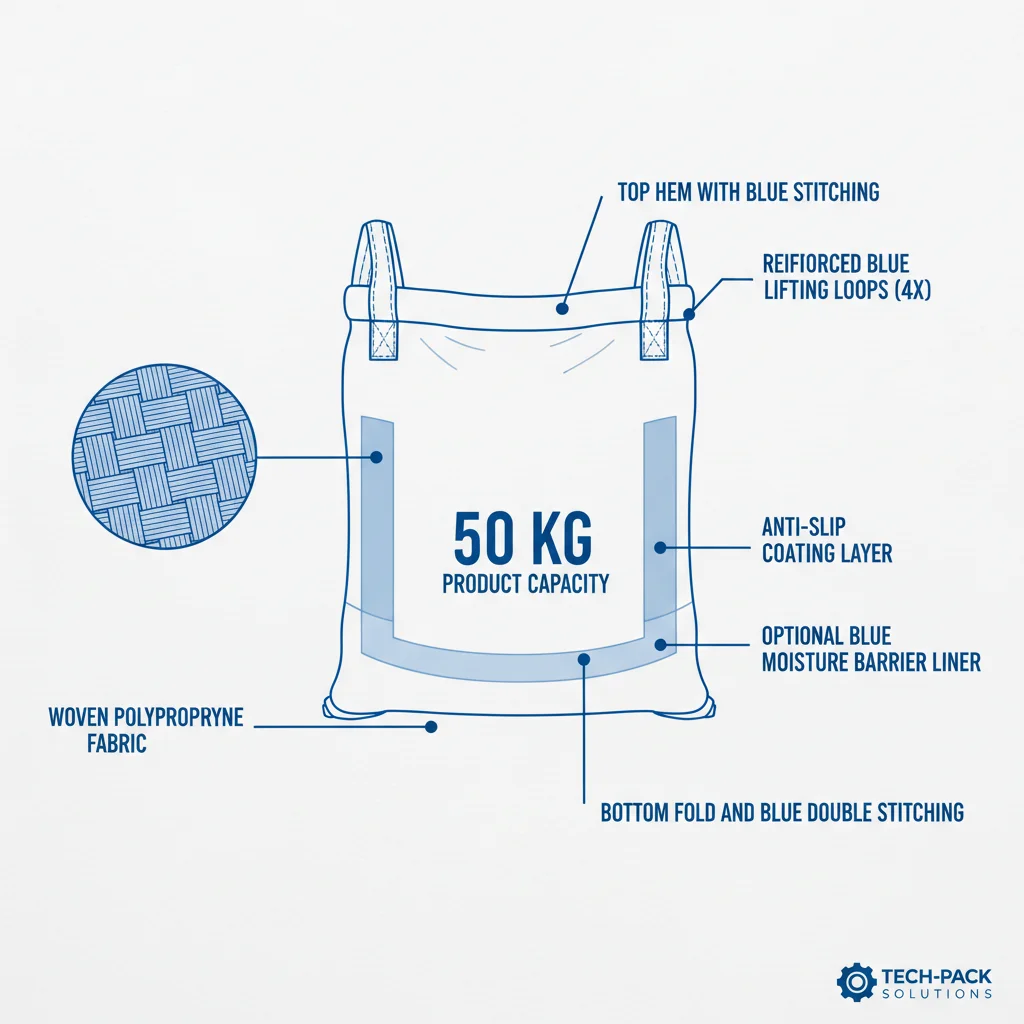
Woven pp sacks are flexible packaging solutions created by weaving together polypropylene (PP) resin into a fabric. This fabric is then cut and sewn to form a sack-like structure. Polypropylene is a thermoplastic polymer known for its high strength-to-weight ratio, resistance to chemicals, and relatively low cost, making it an ideal material for packaging applications.

The weaving process typically involves extruding polypropylene resin into flat tapes, which are then woven together in a checkerboard pattern. The density of the weave—measured in terms of the number of threads per inch—determates the sack’s strength and durability. Laminations, often using polyethylene (PE), are frequently added to improve moisture resistance, printability, and overall performance.

Their connection to modern industry and humanitarian needs is undeniable. In industry, they streamline logistics and reduce material damage. In humanitarian contexts, they provide a secure and reliable means of delivering essential resources, safeguarding food supplies from contamination and spoilage during transport and storage. This adaptability underscores their importance in both commercial and charitable sectors.

Key Characteristics of woven pp sacks

One of the defining features of woven pp sacks is their remarkable durability. The interwoven structure provides exceptional tensile strength and tear resistance, making them capable of withstanding harsh handling and rigorous transportation conditions. This durability translates into reduced product loss and lower overall packaging costs.

Secondly, woven pp sacks exhibit impressive cost-efficiency. Polypropylene is a relatively inexpensive plastic resin, and the manufacturing process is highly scalable, allowing for mass production at competitive prices. This affordability makes them accessible to a wide range of businesses and organizations.

Comparative Cost Analysis of Packaging Materials

Applications of woven pp sacks Worldwide

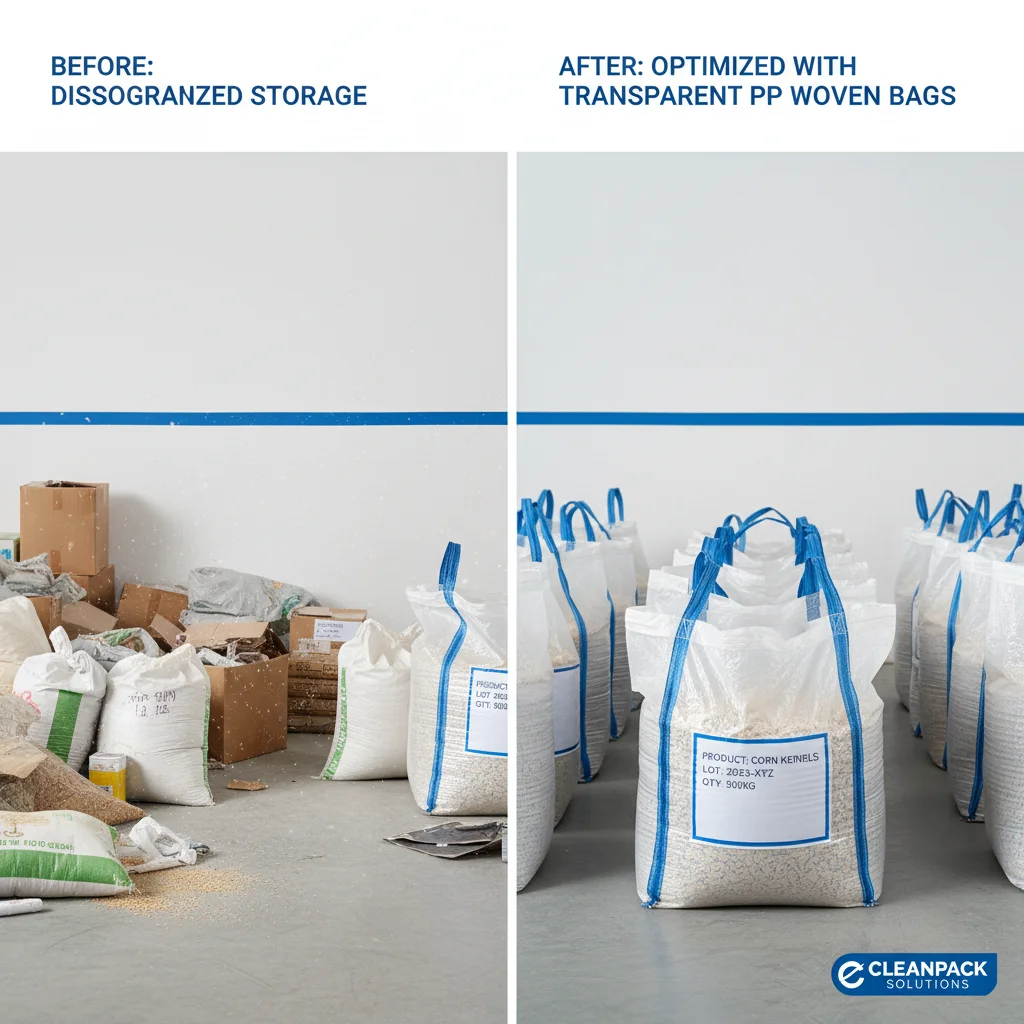
Woven pp sacks find extensive application in the agricultural sector, used for packaging grains like rice, wheat, and corn. Their strength and moisture resistance protect these valuable commodities during transport and storage, minimizing spoilage and ensuring food security. In post-disaster relief operations, these sacks are indispensable for distributing food rations, shelter materials, and other essential supplies to affected communities.

The construction industry utilizes woven pp sacks for packaging cement, sand, and other building materials. Their durability ensures these heavy materials can be safely transported and stored on construction sites. Furthermore, in remote industrial zones, where logistical infrastructure is limited, woven pp sacks provide a reliable and affordable packaging solution for a wide range of raw materials and finished products.

Advantages and Long-Term Value

The tangible benefits of using woven pp sacks are numerous. The cost savings compared to alternative packaging materials are significant, particularly for large-volume shipments. The sustainability aspect is evolving, with increasing efforts focused on recycling and developing biodegradable polypropylene options. The social impact is substantial, as efficient packaging facilitates food security and disaster relief efforts.

Beyond the practical advantages, there’s an element of reliability and trust. Businesses and organizations can rely on woven pp sacks to protect their products and deliver aid effectively. This dependability fosters confidence in supply chains and strengthens the ability to respond to global challenges. The innovation within the woven pp sack industry, constantly refining materials and designs, further enhances their long-term value.

Future Trends and Innovations

The future of woven pp sacks is poised for significant innovation. Research and development are focusing on creating biodegradable polypropylene resins to address environmental concerns and reduce plastic waste. Digital transformation, through the integration of RFID tags and QR codes, will enhance traceability and supply chain management.

Automation in the manufacturing process will increase efficiency and reduce production costs, while advancements in coating technologies will improve the performance characteristics of the sacks, such as UV resistance and barrier properties. Moreover, the adoption of circular economy principles, promoting reuse and recycling, will play a crucial role in enhancing the sustainability of woven pp sacks.

There is a growing trend toward developing woven pp sacks with enhanced barrier properties to extend the shelf life of packaged goods, reducing food waste and minimizing environmental impact. These innovations aim to address the evolving needs of businesses and consumers while minimizing the environmental footprint of packaging materials.

FAQS

What is the typical lifespan of a woven pp sack used for agricultural products?

The lifespan of a woven pp sack used for agricultural products varies based on UV exposure, handling, and the quality of the sack itself. Generally, a standard sack can withstand several months of outdoor storage and multiple handling cycles, approximately 6-12 months. UV-stabilized sacks can extend this lifespan considerably, up to 18-24 months, protecting the contents from degradation due to sunlight exposure. Proper storage and minimizing damage during transport are also key factors in maximizing longevity.

Can woven pp sacks be recycled, and what are the common recycling processes?

Yes, woven pp sacks are recyclable, although the process isn't as widespread as with some other plastics. Recycling typically involves shredding the sacks into flakes, cleaning them to remove contaminants, and then melting them down to create new plastic pellets. These pellets can then be used to manufacture a variety of new products, including automotive parts, furniture, and even new woven pp sacks. However, contamination and mixed materials can pose challenges, necessitating efficient sorting and cleaning processes.

Are there any regulations regarding the use of woven pp sacks for food packaging?

Yes, regulations surrounding the use of woven pp sacks for food packaging vary by region, but generally adhere to standards set by organizations like the FDA in the US and EFSA in Europe. These regulations specify requirements for materials used, manufacturing processes, and allowable levels of migration of substances from the packaging into the food. Sacks intended for food contact must be manufactured from food-grade polypropylene and comply with relevant safety standards to ensure consumer health.

What is the typical weight capacity of a standard woven pp sack?

The typical weight capacity of a standard woven pp sack ranges from 25kg (55lbs) to 100kg (220lbs), depending on the sack’s dimensions, weave density, and construction. Smaller sacks, often used for retail packaging, typically have a capacity of 25-50kg, while larger sacks intended for bulk transport can hold up to 100kg or even more. The sack’s label usually indicates its maximum safe loading weight, which should always be adhered to for safe handling and transport.

How can woven pp sacks be customized to meet specific branding needs?

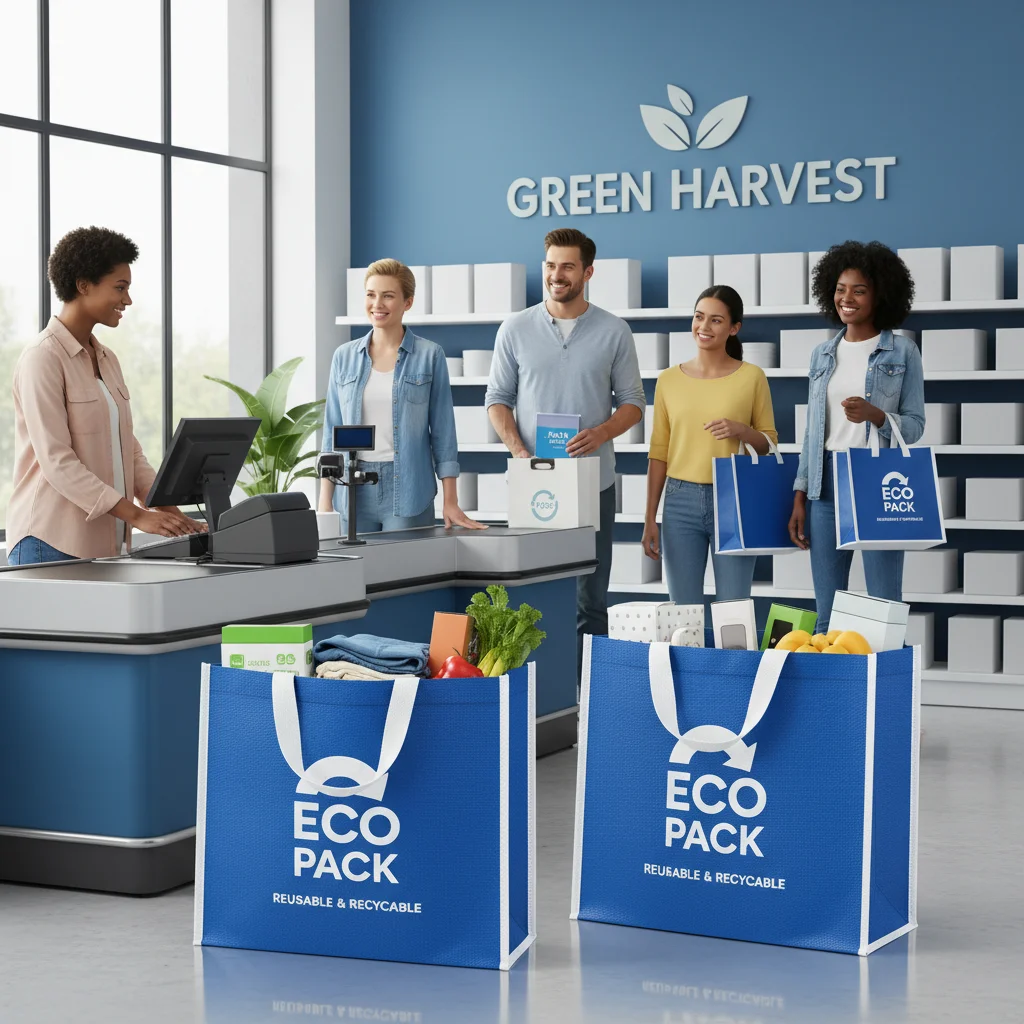
Woven pp sacks can be highly customized to meet specific branding needs through various printing methods, including flexographic printing. This allows for the application of logos, product information, and other designs directly onto the sack’s surface. Additionally, sacks can be manufactured in a variety of colors and with different lamination options to enhance their visual appeal and protect the printed graphics. Customization can significantly enhance brand recognition and marketing effectiveness.

What are the advantages of using laminated woven pp sacks over non-laminated ones?

Laminated woven pp sacks offer superior protection compared to non-laminated versions. The lamination, typically using polyethylene (PE), creates a barrier against moisture, dust, and other contaminants, preserving the quality of the packaged goods. Lamination also enhances the sack’s strength and printability, allowing for more vibrant and durable graphics. Furthermore, laminated sacks are more resistant to tearing and puncture, ensuring the safe transport of sensitive or valuable products.

Conclusion

Woven pp sacks represent a fundamental component of global supply chains and humanitarian aid efforts. Their affordability, durability, scalability, and versatility make them an indispensable packaging solution for a vast range of industries and applications. From transporting agricultural commodities to delivering emergency supplies, woven pp sacks play a critical role in connecting producers to consumers and supporting communities in need.

Looking ahead, continued innovation in materials science, recycling technologies, and manufacturing processes will be crucial for enhancing the sustainability and performance of woven pp sacks. Embracing circular economy principles and investing in biodegradable polypropylene options will further minimize their environmental impact. For more information on our range of woven pp sacks and customized solutions, visit our website: woven pp sacks.

David Miller

David Miller

David Miller serves as the Senior Materials Engineer at Hebei Shengshi Jintang Packaging. With over 15 years of experience in polymer science and packaging technology, David focuses on optimizing material selection for our woven bags, valve bags, and FIBCs. He ensures our packaging solutions provide superior protection for diverse products
Previous The Essential Guide to Large Woven Polypropylene Bags and Their Applications
Next Exploring the Versatility and Growth of d cut pp woven bags in Global Industries

If you are interested in our products, you can choose to leave your information here, and we will be in touch with you shortly.