Woven polypropylene shopping bags – you see ‘em everywhere, right? Supermarkets, construction sites, even hauling stuff for a weekend project. But they’re more than just something to carry groceries. I've spent years on sites, dealing with materials, and I’ve come to appreciate what a workhorse these bags are. They're a simple solution to a huge problem: moving materials efficiently and affordably. And believe me, in this business, efficiency saves you time and money, plain and simple. It's a global thing, too. You'll find them everywhere from transporting grain in developing nations to holding promotional goods in major cities.
The demand for reliable, cost-effective packaging is constantly growing. Whether it’s agricultural products, building materials, or retail goods, someone needs to move it, and move it safely. That's where woven polypropylene bags step in. We're talking about a material that can withstand a beating, can be produced in massive quantities, and doesn't break the bank. It's not glamorous work figuring out logistics, but getting the right packaging is a big part of keeping projects on schedule and within budget. We’ve moved beyond just holding groceries – these bags are integral to global supply chains.
I’ve seen too many projects delayed because of packaging failures, or because the costs of specialty containers were too high. Woven polypropylene offers a sweet spot, combining durability and affordability. It’s a practical solution for a very real need, and understanding their capabilities – and limitations – is critical for anyone involved in logistics, construction, or retail.
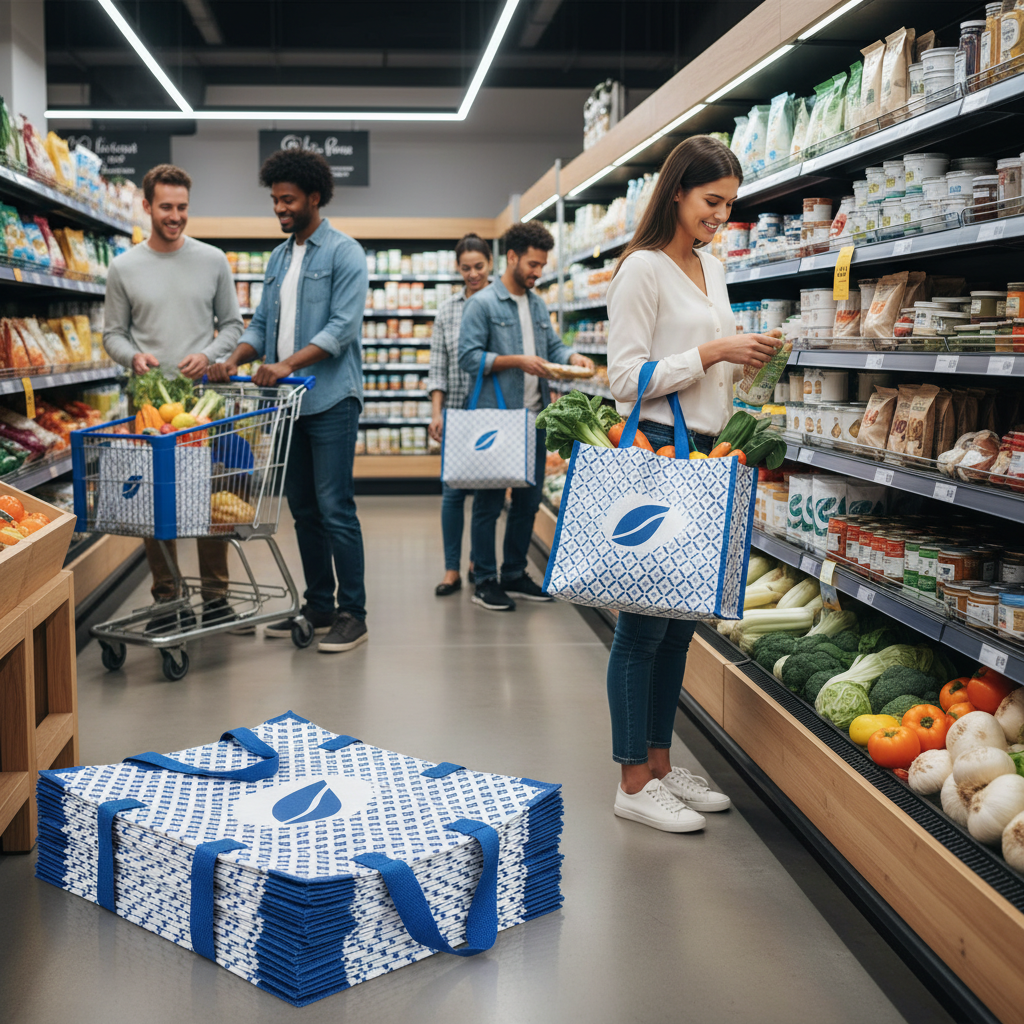
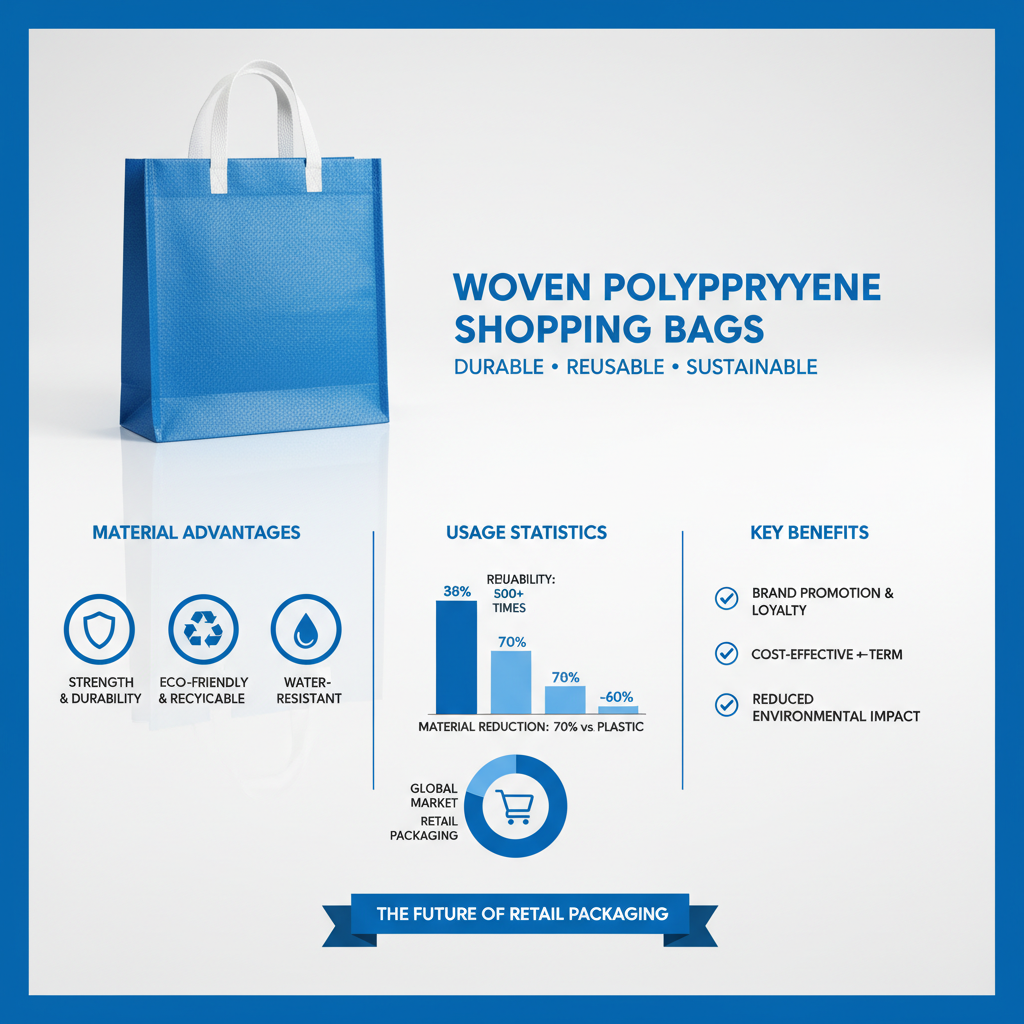
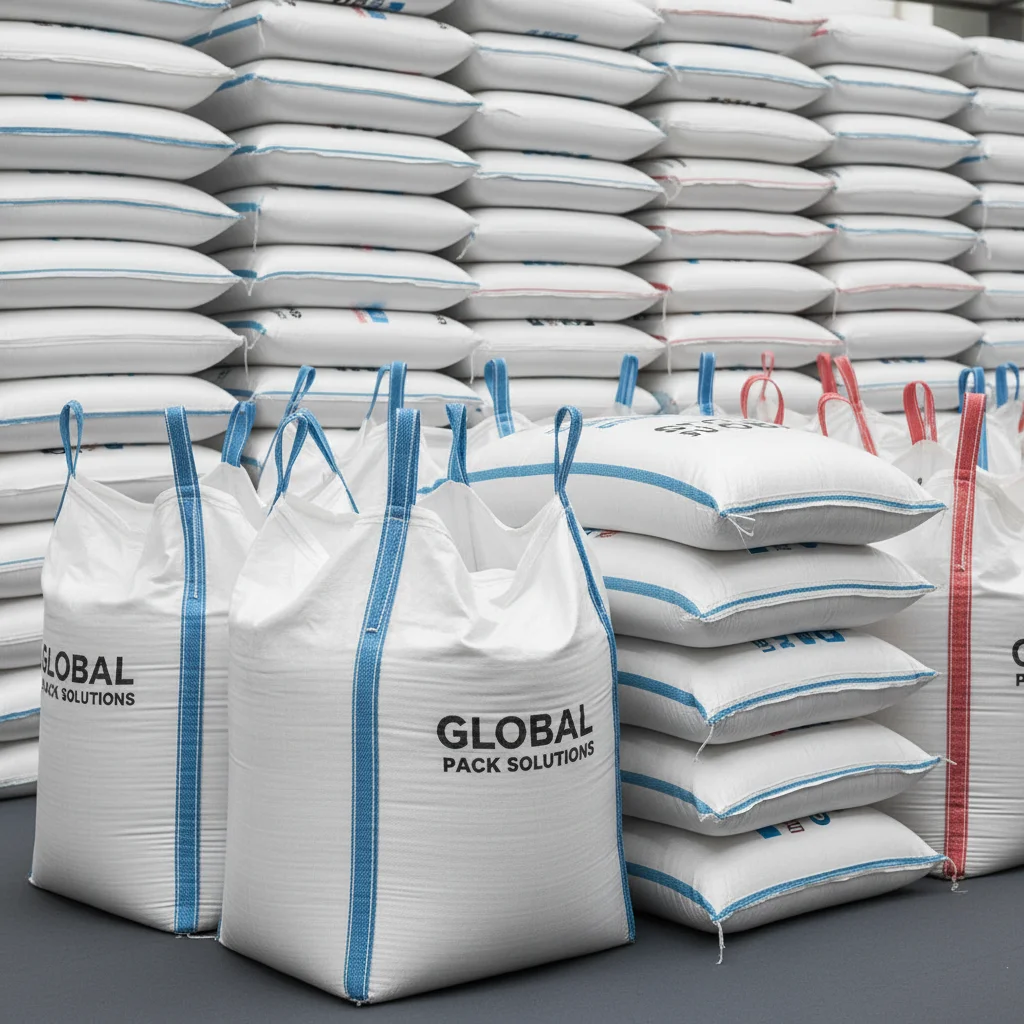
Let’s be real, on a construction site, we need things that work. Woven polypropylene bags do. They're not fancy, but they handle everything from cement to sand, keeping materials dry and contained. The sheer volume these bags can handle, and the fact that they're reusable, really cuts down on waste. That’s important, not just for the environment, but for keeping costs down. And it’s not just construction; I've seen them used for everything from agricultural harvests to disaster relief.
The reliance on these bags is significant. Global trade depends on efficient packaging, and woven polypropylene consistently delivers. It’s a cornerstone of how things get moved around the world, often unnoticed. They’re quietly keeping things running smoothly, handling the heavy lifting – literally. It's a testament to a simple, effective design.
That really depends on the conditions. If it’s consistently exposed to harsh sunlight and abrasion, you might get 6-12 months of heavy use. But with proper storage and care, they can easily last a year or more, even on a busy site. The quality of the weave and coating plays a big role, too. I’ve seen some hold up for two years with minimal damage, while others start showing wear after just a few months.
They’re getting there. The biggest benefit is reusability, which drastically reduces waste compared to single-use options. Recycled PP options are becoming more common, improving their sustainability profile. However, recycling infrastructure isn't widespread yet, which is a hurdle. The key is to maximize reuse and advocate for better recycling programs. It's not perfect, but it's a step in the right direction.
Consider the weight of the material you'll be carrying, the level of moisture exposure, and the duration of use. Higher Dtex (denier) values indicate a stronger weave. A UV-stabilized coating is essential for outdoor applications. Also, think about the bag's dimensions – you want it to be appropriately sized for your materials without being unnecessarily large.
Virgin PP is made directly from petroleum, resulting in a stronger, more consistent material. Recycled PP is made from post-consumer or industrial waste. It's more sustainable, but often has slightly lower tensile strength. The difference isn’t always significant, especially with modern recycling techniques, and recycled PP is becoming increasingly viable for many applications.
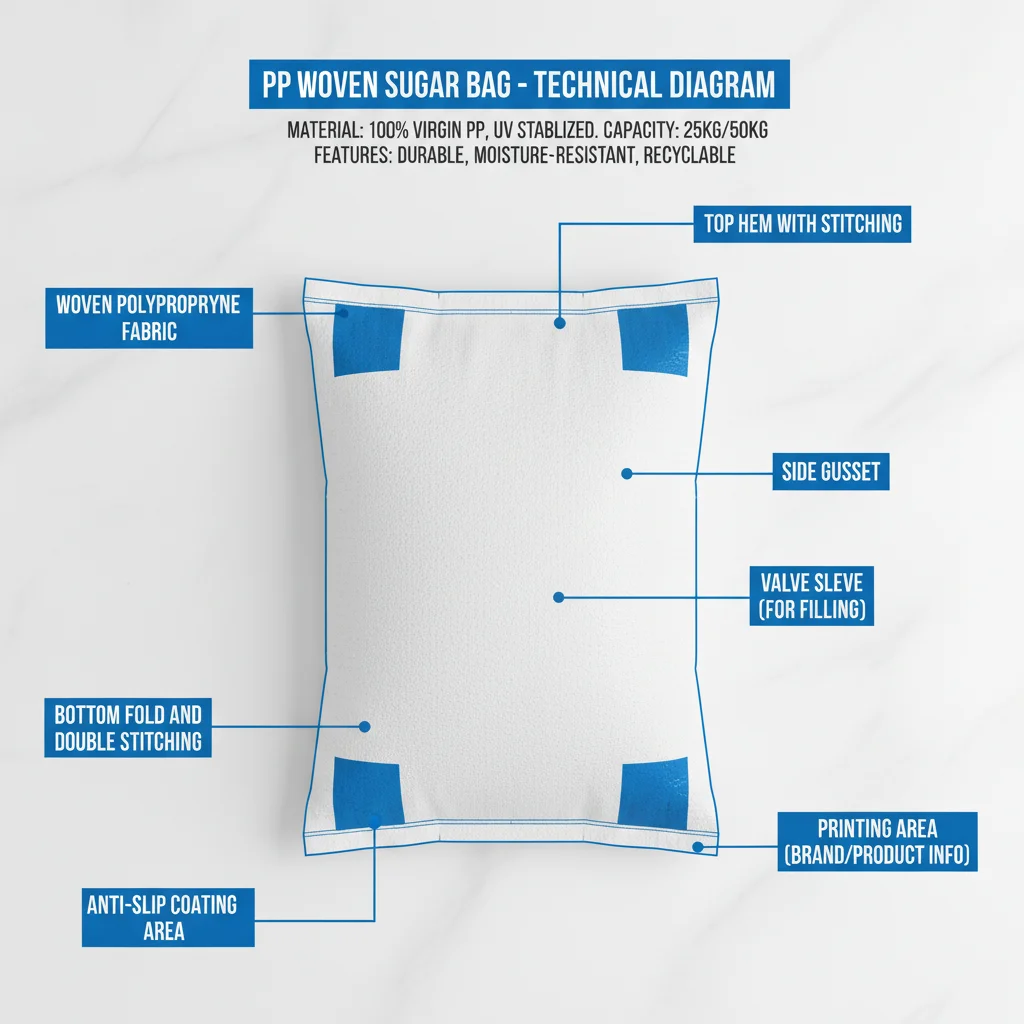
Absolutely. Most manufacturers offer printing options, allowing you to add your company logo, product information, or other branding elements. This is a great way to increase brand visibility and reinforce your company's identity. The printing method typically involves flexographic printing, which is durable and cost-effective.
They're not impervious to damage. Sharp objects can puncture them, and prolonged UV exposure can degrade the material. Also, they aren't breathable, which can be an issue for certain types of produce. And, as mentioned earlier, recycling infrastructure is still lacking in many areas. They’re a great solution, but they’re not a perfect one.
Woven polypropylene shopping bags are a deceptively simple solution to a complex set of logistical challenges. From construction sites to global supply chains, their durability, affordability, and versatility make them an indispensable tool. They've proven their worth time and again, and aren’t going anywhere soon. Understanding their properties and limitations is crucial for maximizing their value.
Looking ahead, continued innovation in materials, coatings, and recycling technologies will further enhance their sustainability and performance. Investing in better recycling infrastructure and promoting responsible usage will be key to unlocking their full potential. For anyone involved in materials handling or logistics, woven polypropylene bags are a cornerstone of efficiency and cost-effectiveness.

Hit enter to search or ESC to close