Large woven polypropylene sacks are ubiquitous in modern supply chains, serving as a cost-effective and versatile solution for the bulk transportation and storage of a wide range of goods. From agricultural products like grains and fertilizers to industrial materials and even disaster relief supplies, these sacks play a critical role in global commerce and humanitarian efforts. Understanding their properties, applications, and future trends is vital for businesses, organizations, and individuals involved in logistics, procurement, and aid delivery.
The global demand for large woven polypropylene sacks is driven by factors like increasing international trade, population growth, and the need for efficient packaging solutions. According to industry reports, the market is experiencing consistent growth, particularly in emerging economies. These sacks offer a robust and relatively inexpensive alternative to more traditional packaging methods, enabling the efficient movement of commodities across vast distances. Addressing challenges related to sustainability and recyclability remains a key focus for the industry.
These sacks aren’t just about moving products; they are about enabling access. They ensure food security by facilitating the safe storage and transport of grains, support economic development by allowing businesses to efficiently move raw materials and finished goods, and provide essential aid during times of crisis. Properly understanding the intricacies of large woven polypropylene sacks is thus paramount to success in many sectors.
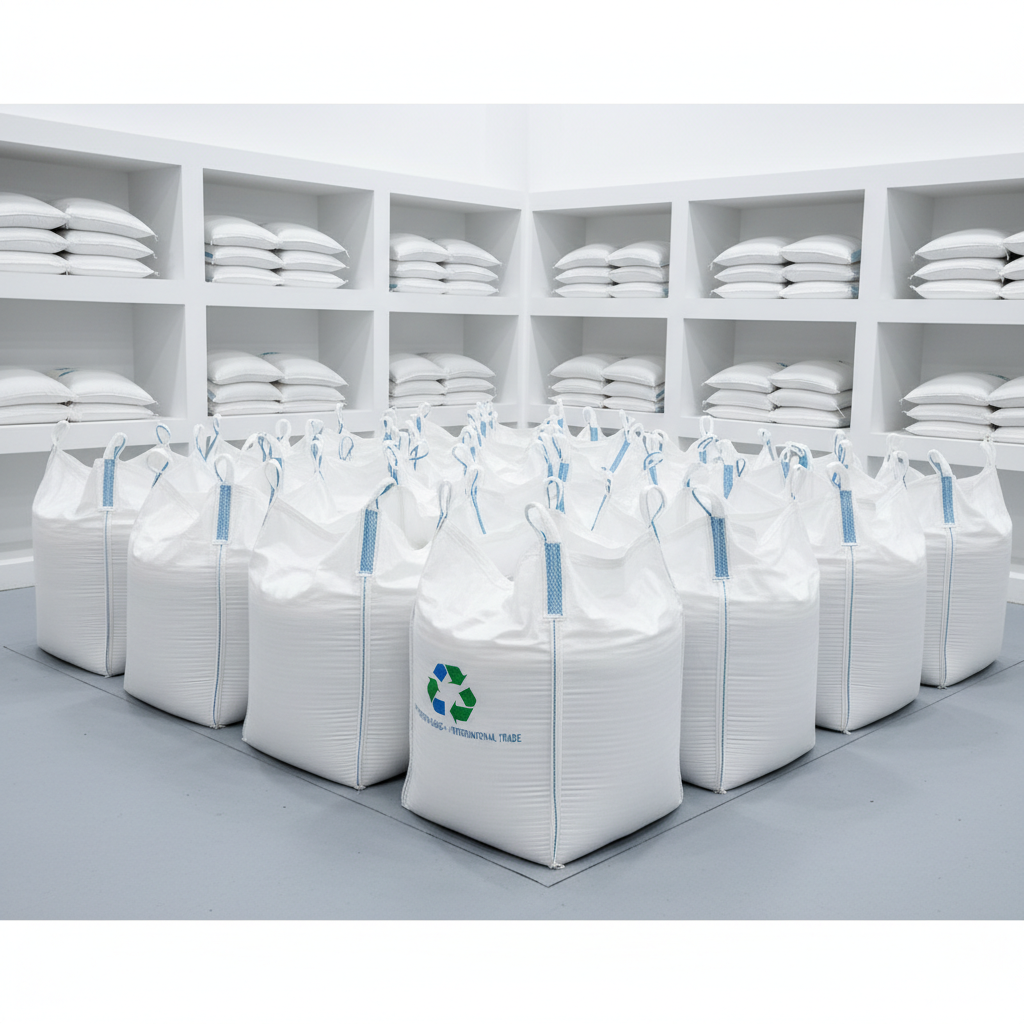
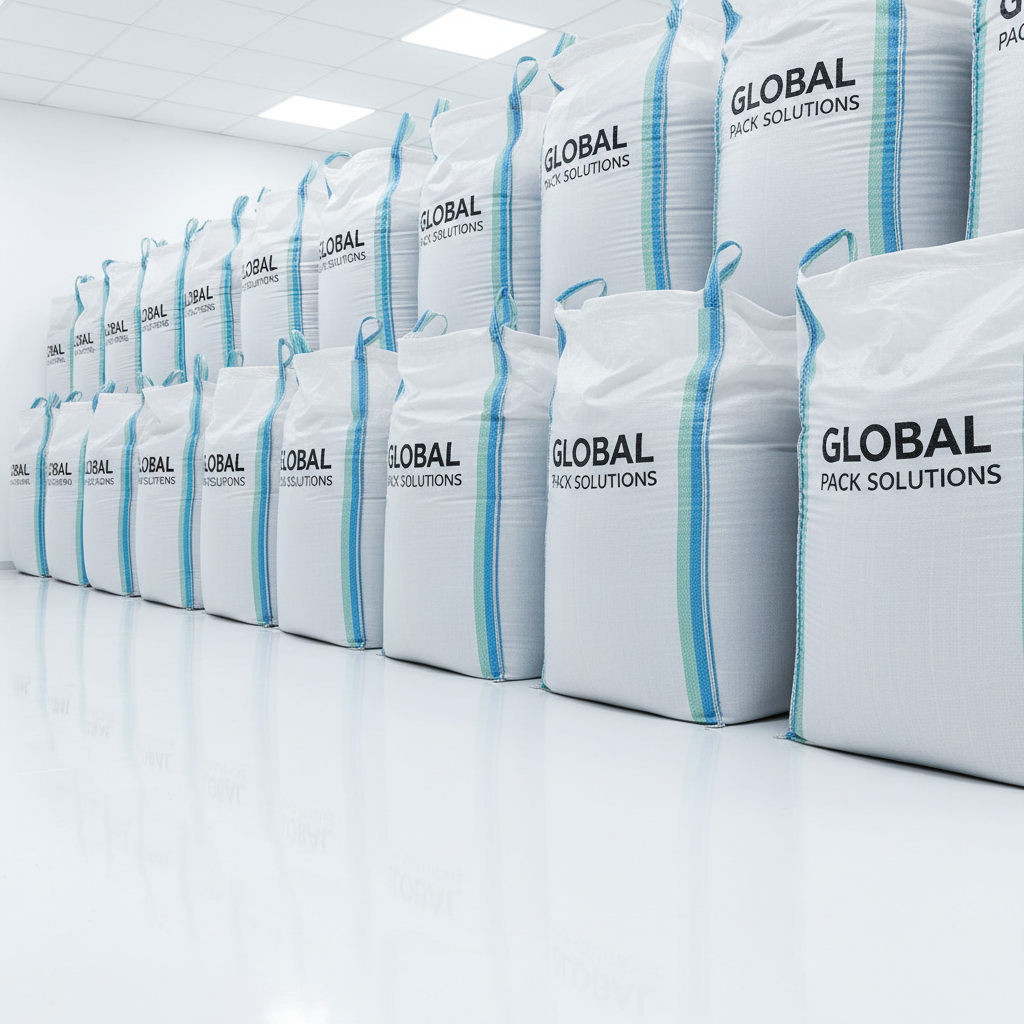
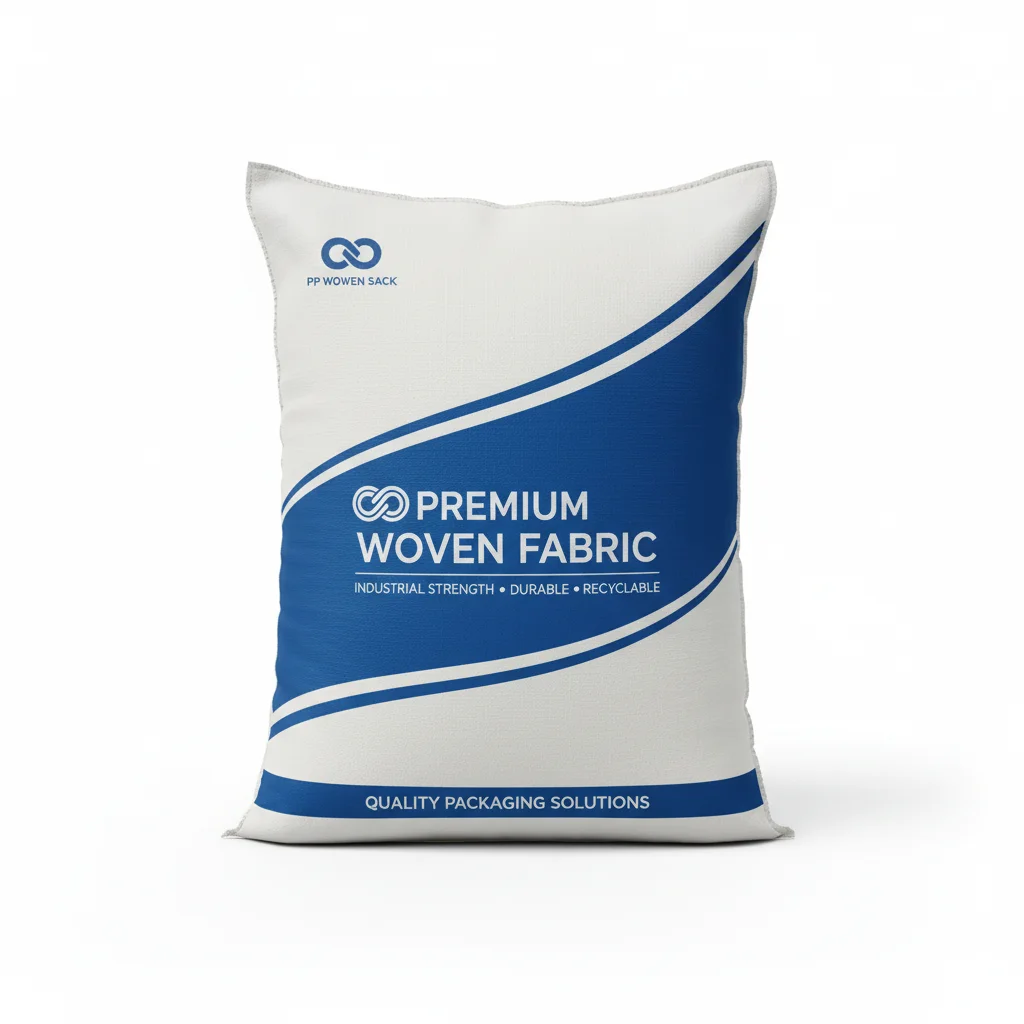
Large woven polypropylene sacks, also known as PP woven sacks, are flexible packaging solutions constructed from polypropylene, a thermoplastic polymer. Their woven structure provides high tensile strength and durability, making them ideal for handling heavy loads and resisting punctures. They are a cornerstone of modern logistics, streamlining the movement of goods across global supply chains.
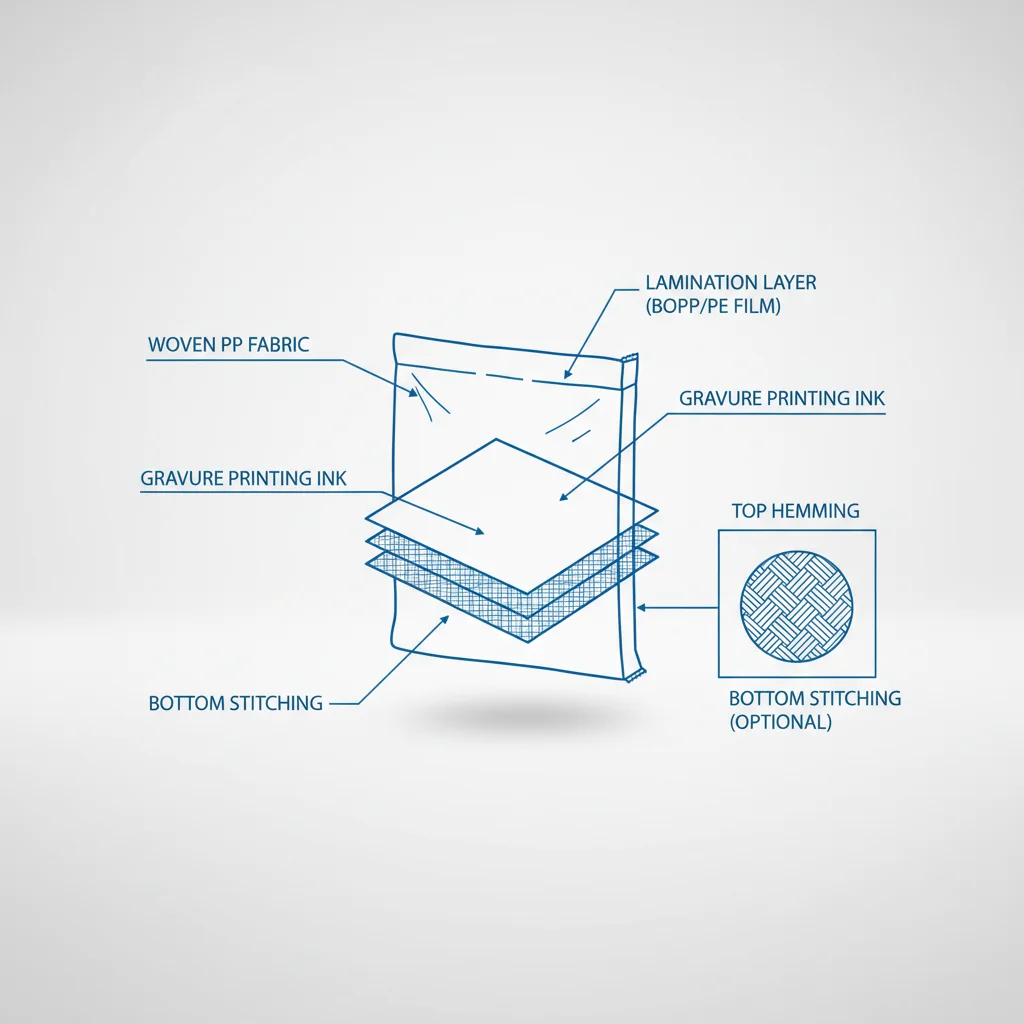
The versatility of large woven polypropylene sacks lies in their customizable features. They can be tailored with varying sizes, weights, coatings (like liners for moisture protection), and printing options, allowing them to accommodate diverse product requirements. This adaptability ensures they remain a relevant and effective packaging solution across numerous industries.
The lifespan of a large woven polypropylene sack varies depending on the quality of the material, the load it carries, and the environmental conditions it's exposed to. Generally, a well-maintained sack can last for multiple uses, ranging from several months to a year or more. UV exposure and abrasion are the primary factors that can reduce its lifespan. Selecting higher denier polypropylene and UV stabilizers can significantly extend durability.
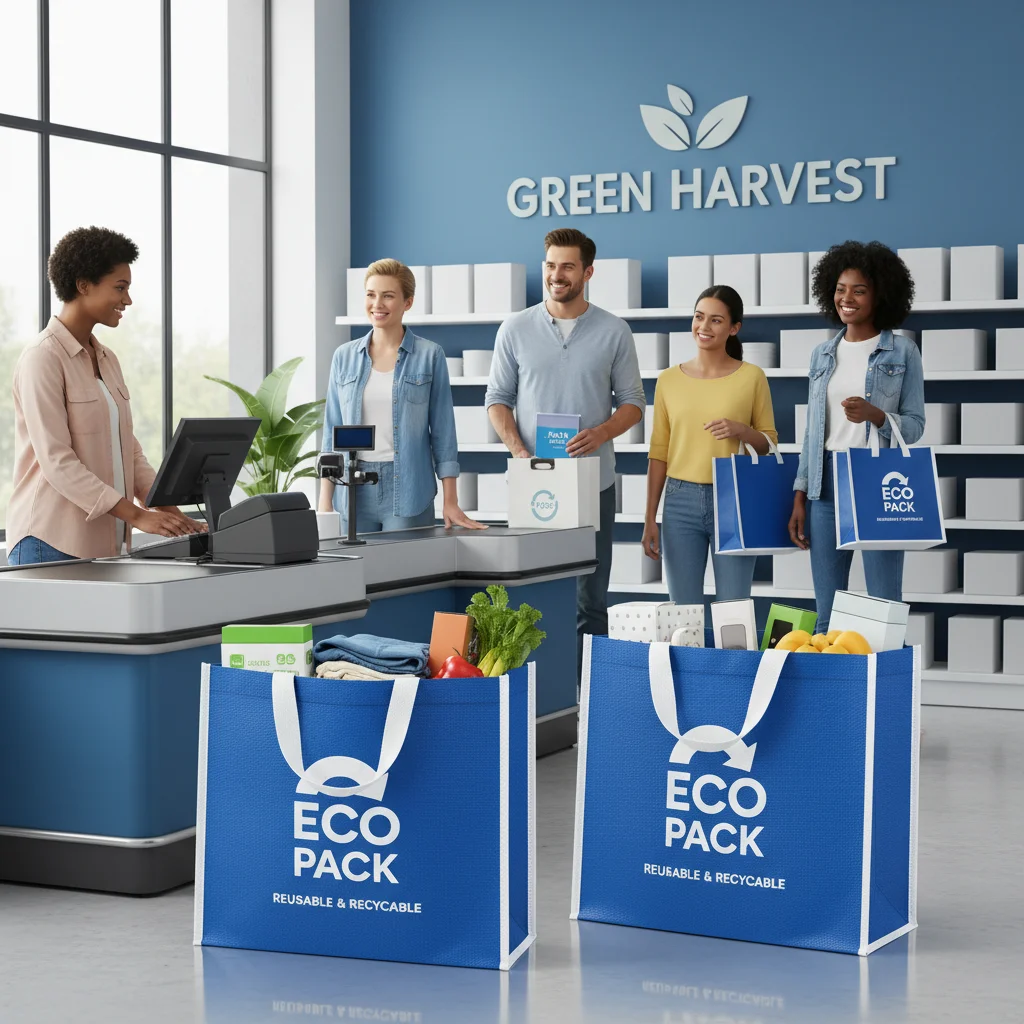
Yes, polypropylene is recyclable. However, recycling woven polypropylene sacks can be challenging due to contamination and the complex weaving process. Dedicated recycling facilities are needed to properly process this material. Efforts are increasing to develop more efficient recycling technologies and infrastructure for PP woven sacks, but it's not universally available yet. Look for suppliers offering take-back programs.
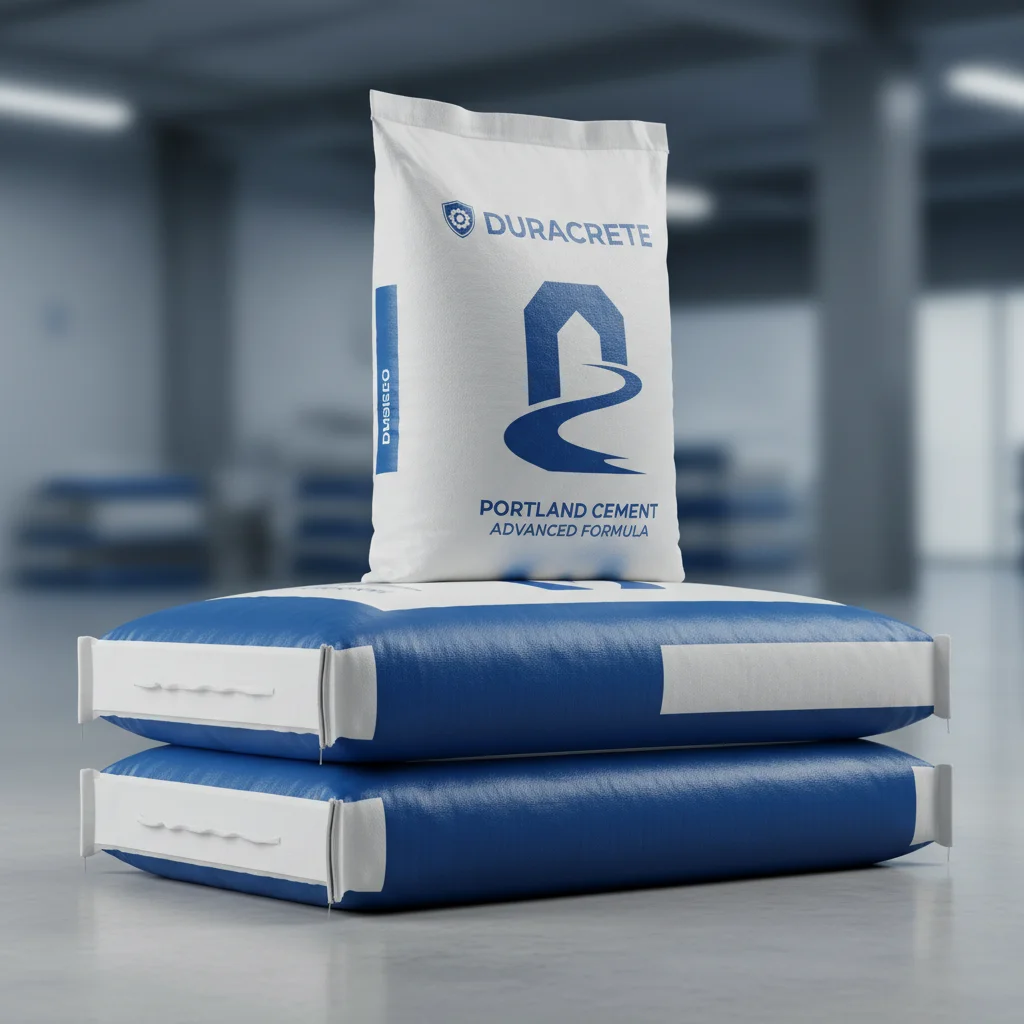
The safe working load (SWL) of a large woven polypropylene sack varies significantly based on its dimensions, fabric density, and construction. Typical SWL ranges from 50kg to 100kg (110lbs to 220lbs), but some sacks can handle loads up to 200kg (440lbs) or more. It's crucial to always check the manufacturer's specifications and never exceed the stated SWL to avoid sack failure and potential safety hazards.
Absolutely! Custom printing is a common feature for large woven polypropylene sacks. Printing can include logos, product information, handling instructions, and barcodes. Flexographic printing is the most frequently used method. The number of colors and the complexity of the design can impact the cost. Custom printing enhances branding and provides valuable product identification.
Liners, typically made of polyethylene (PE), provide an additional layer of protection against moisture, dust, and contamination. They are essential for packaging products that are sensitive to these elements, such as food, chemicals, and pharmaceuticals. Liners also prevent product leakage and maintain product integrity during transportation and storage. Different liner thicknesses are available based on the specific product requirements.
Denier refers to the thickness of the polypropylene fibers. A higher denier indicates a thicker, stronger fiber, resulting in a more durable sack. Sacks with higher denier fabrics are better suited for heavier loads and more demanding applications. Lower denier fabrics are often used for lighter-weight products where cost is a primary concern. Choosing the appropriate denier is crucial for ensuring the sack’s performance and safety.
Large woven polypropylene sacks represent a vital and versatile packaging solution with far-reaching implications for global trade, agriculture, and humanitarian aid. Their cost-effectiveness, durability, and adaptability continue to make them a preferred choice across a multitude of industries. Understanding their properties, applications, and evolving trends is essential for maximizing efficiency and sustainability within supply chains.
Looking ahead, the future of these sacks lies in embracing innovative materials, enhancing recyclability, and integrating digital technologies. By prioritizing sustainability and exploring opportunities for circularity, the industry can further minimize its environmental impact and ensure that large woven polypropylene sacks continue to play a critical role in a more responsible and efficient global economy.

Hit enter to search or ESC to close