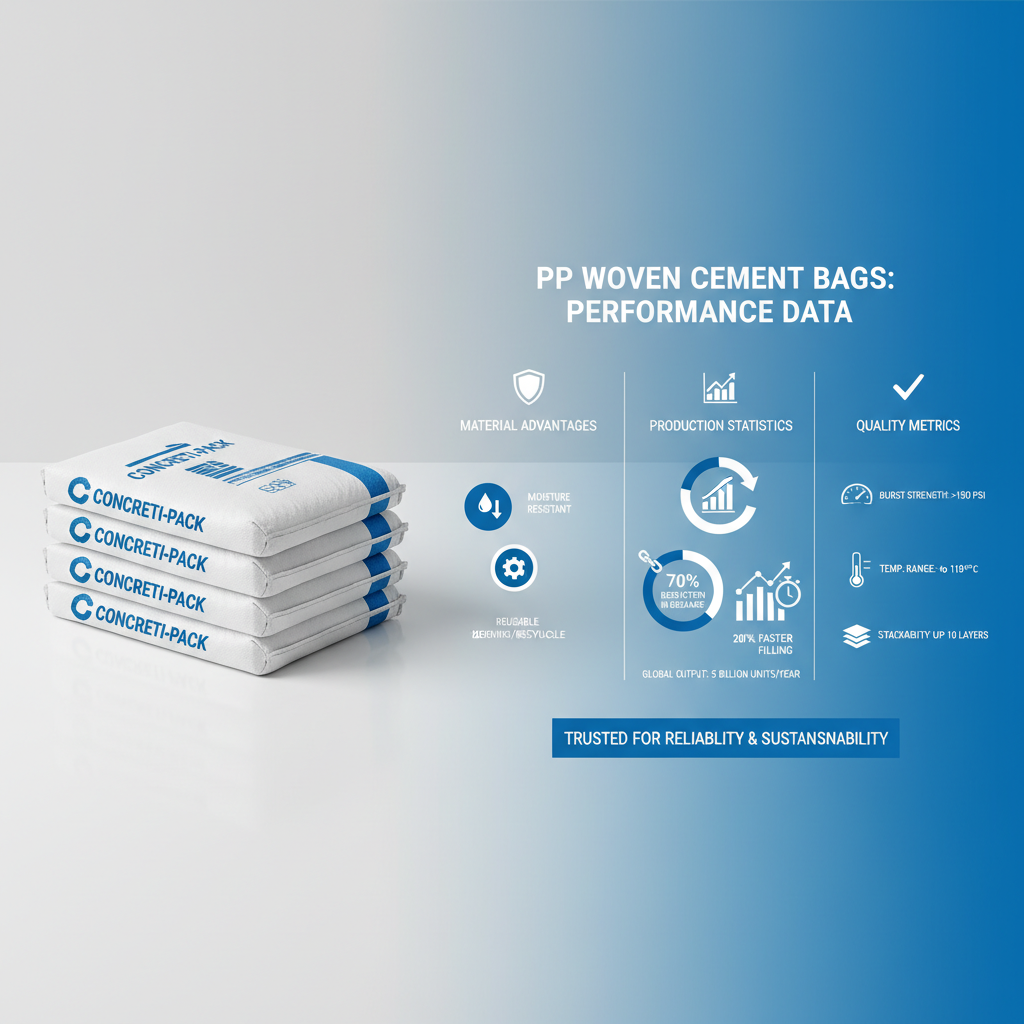
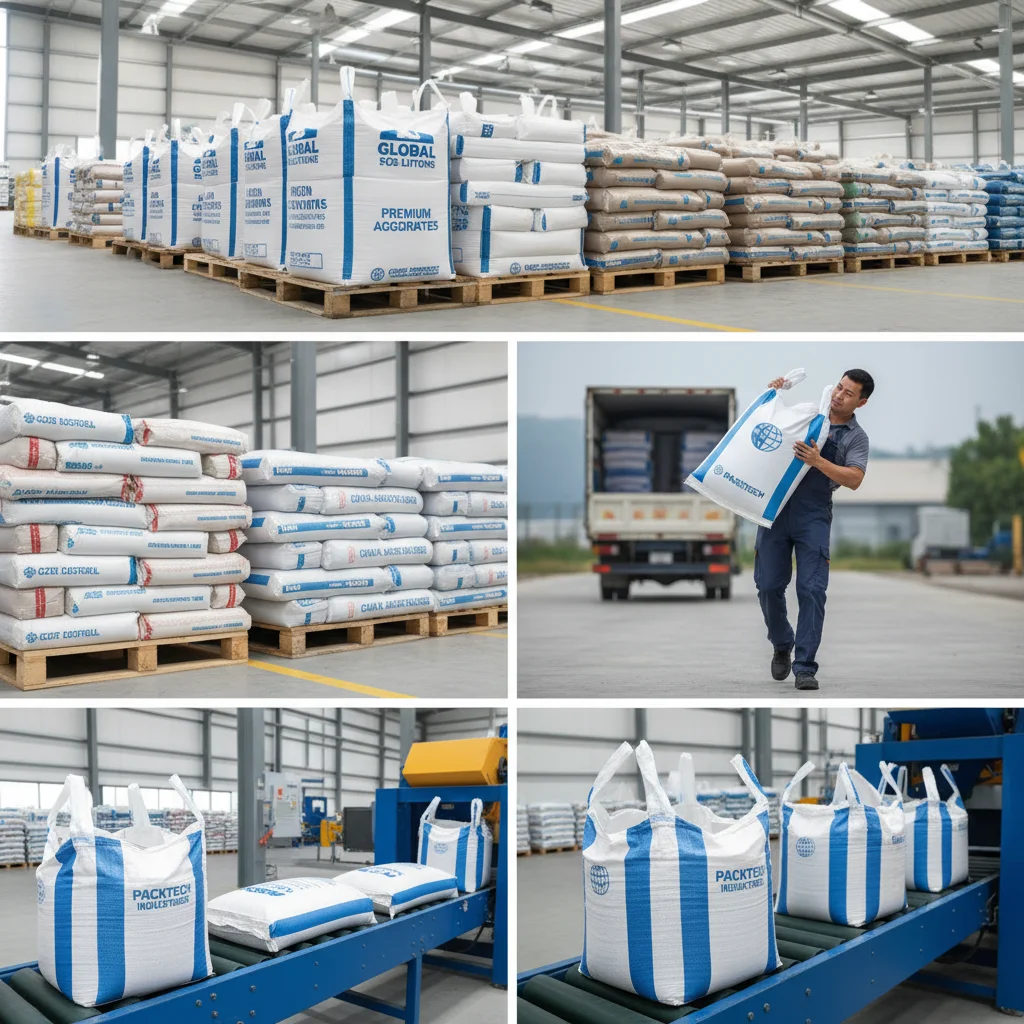
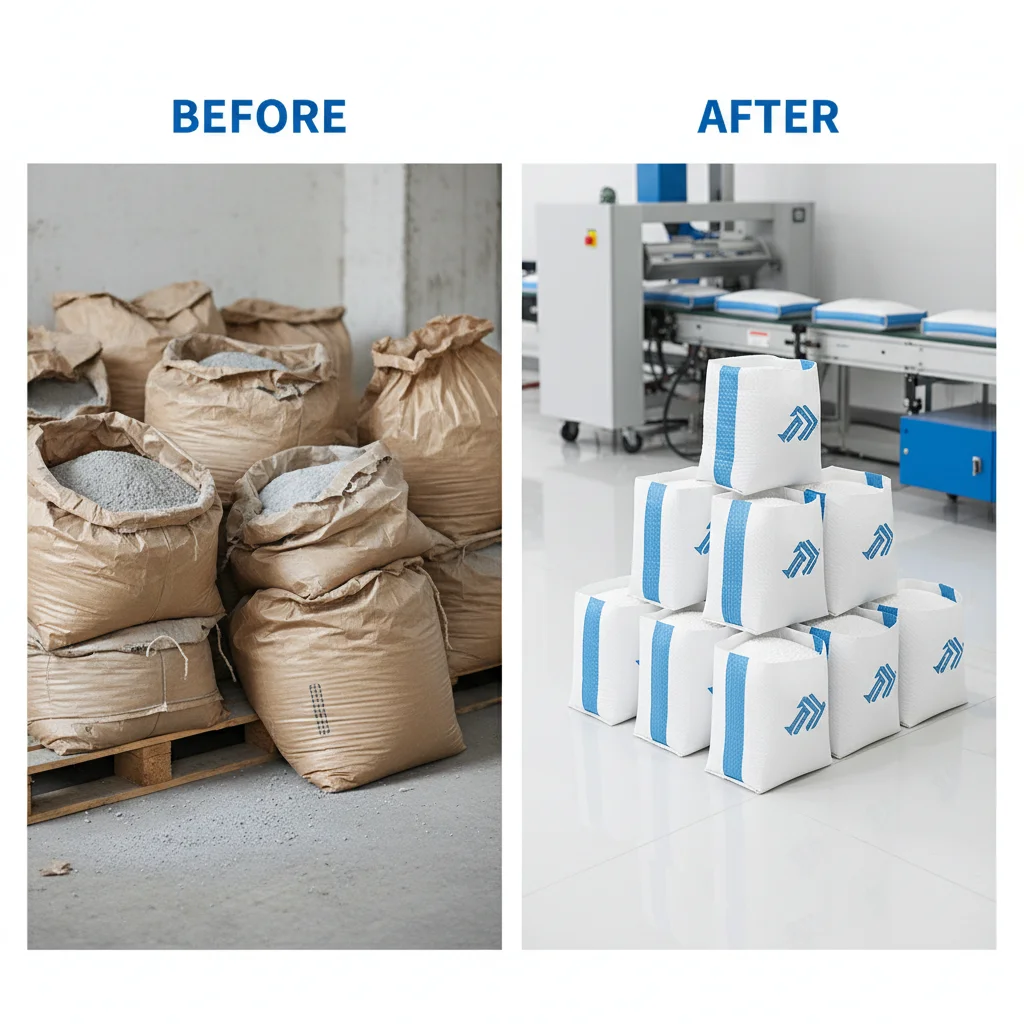
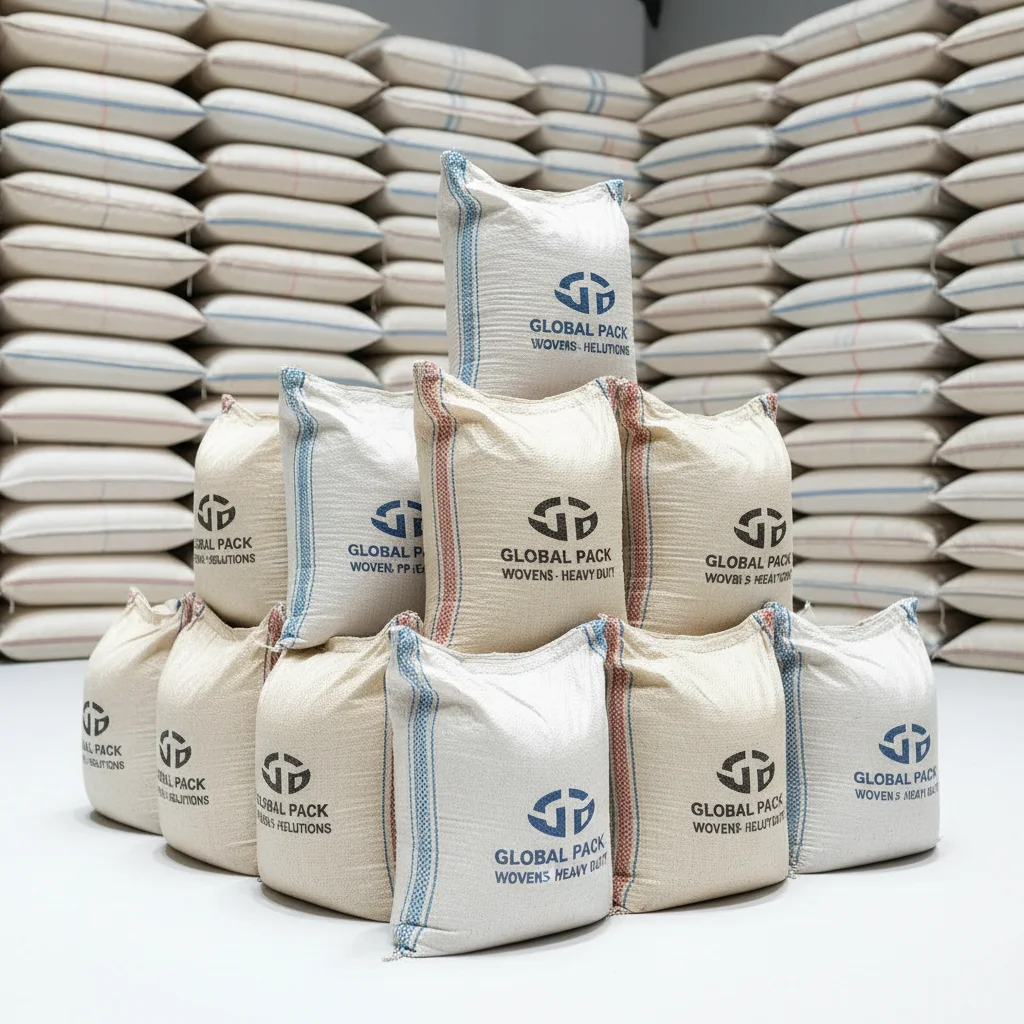
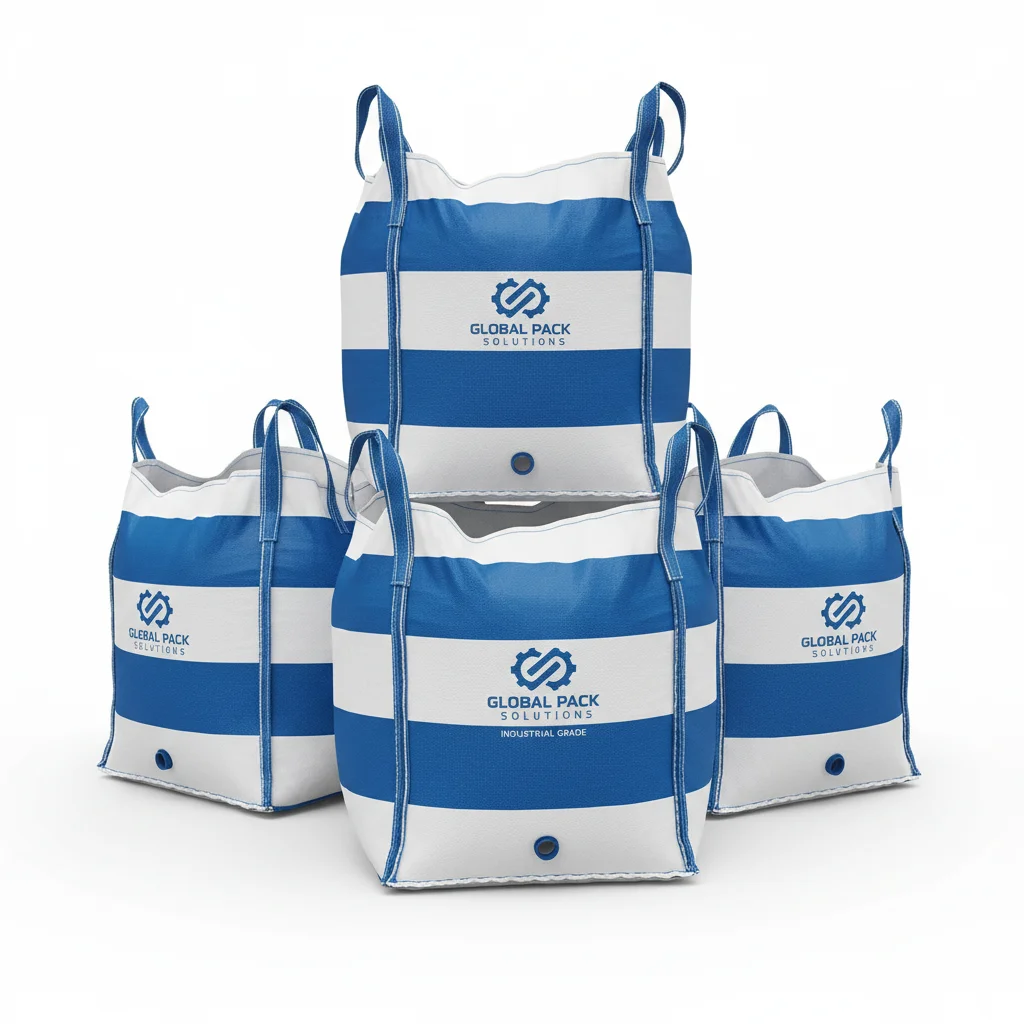
pp woven bag cement represents a critical intersection of material science, logistical efficiency, and global infrastructure needs. Its development and application address challenges in construction, disaster relief, and resource management across the globe, offering a cost-effective and readily deployable solution for various containment and transport needs. Understanding its properties and applications is vital for professionals in construction, aid organizations, and supply chain management.
The global demand for robust and versatile packaging and construction materials is continually increasing, driven by population growth, urbanization, and the increasing frequency of natural disasters. pp woven bag cement provides a scalable and adaptable solution to meet these demands, offering a compelling alternative to traditional materials like steel and wood. Its inherent properties contribute to its widespread adoption across diverse sectors.
Furthermore, the ongoing evolution of manufacturing processes and material science continues to enhance the performance characteristics of pp woven bag cement, improving its durability, strength, and sustainability. This ongoing innovation solidifies its position as a crucial component in building resilient infrastructure and responding to humanitarian crises effectively.
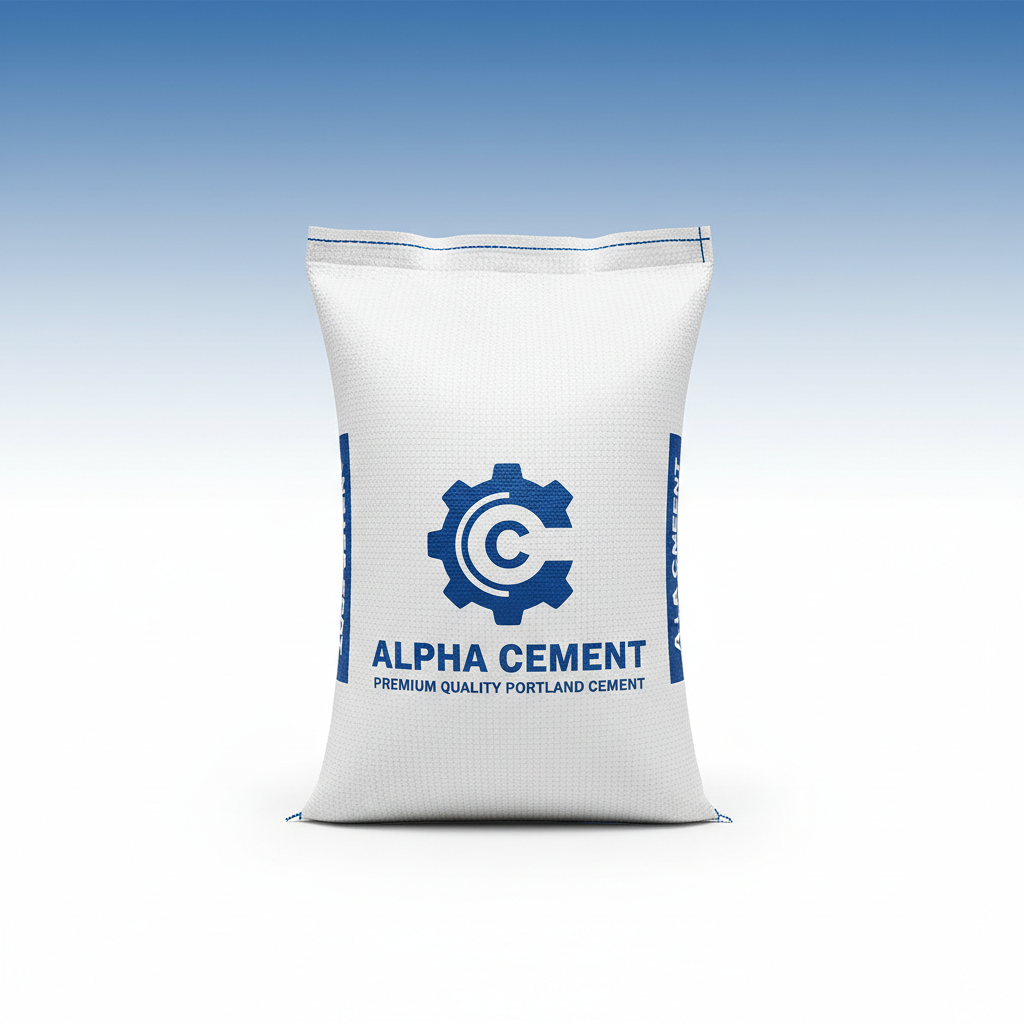
Introduction to pp woven bag cement
pp woven bag cement isn’t a singular material but rather a versatile approach utilizing polypropylene woven bags – often used for transporting cement, grains, and other bulk materials – in innovative construction and stabilization applications. This often involves filling the bags with local materials, like earth or sand, and compacting them to create robust, earthquake-resistant structures or effective erosion control barriers.
The beauty of this method lies in its simplicity and accessibility. It relies on readily available materials and doesn’t require specialized equipment or highly skilled labor, making it particularly well-suited for disaster relief, low-income housing, and remote construction projects where traditional building methods are impractical or too costly.
Global Relevance and Applications
The need for affordable, rapidly deployable construction solutions is globally pervasive. From earthquake-prone regions like Nepal and Haiti to areas experiencing rapid urbanization in Africa and Asia, the demand for secure and sustainable shelters and infrastructure continues to grow. pp woven bag cement addresses this need by offering a cost-effective alternative to conventional building materials, reducing reliance on cement and minimizing environmental impact.
According to UN-Habitat, over 1 billion people worldwide live in inadequate housing. Organizations like Engineers Without Borders and Habitat for Humanity are increasingly exploring and implementing pp woven bag cement techniques to address this housing crisis. Furthermore, the World Bank actively supports initiatives promoting locally sourced materials and sustainable construction practices, aligning with the principles of pp woven bag cement.
The application extends beyond housing; it's actively used for building retaining walls, flood defenses, and even temporary schools, demonstrating its versatility in diverse scenarios where rapid construction and resourcefulness are paramount. The inherent strength and flexibility make it a compelling choice in challenging environments.
Defining pp woven bag cement
At its core, pp woven bag cement represents a construction technique leveraging the strength and availability of polypropylene woven bags, typically used for transporting granular materials, filled with readily accessible in-situ materials like earth, sand, or gravel. These filled bags are then stacked and compacted, creating structures resembling traditional masonry, but with significantly reduced material and labor costs.
It’s important to differentiate it from simply using the bags as containers. The defining aspect is the structural application of the filled bags themselves, acting as building blocks. This approach bridges the gap between conventional construction and earthbag construction, offering a pragmatic solution for both humanitarian and commercial projects.
The technique directly addresses the critical need for affordable and sustainable building solutions, particularly in regions with limited access to conventional materials or skilled labor. Its versatility makes it suitable for a wide array of structures, from emergency shelters to permanent dwellings.
Key Properties of pp woven bag cement
Durability is a key feature of structures built with pp woven bag cement. The tightly packed earth or sand within the bags creates a dense, stable structure resistant to compression and shear forces. Proper compaction and bag quality contribute significantly to its longevity.
Scalability makes it particularly advantageous. The technique can be adapted to projects of any size, from small emergency shelters to large-scale community buildings. The modular nature of bag construction allows for flexible design and easy expansion or modification.
Comparative Analysis of pp woven bag cement Properties
Real-World Applications
In post-disaster relief operations, pp woven bag cement provides a swift and effective means of establishing temporary shelters and essential infrastructure. The speed of construction and minimal need for specialized tools make it ideal for rapidly addressing the immediate needs of affected populations.
In remote industrial zones, where transporting conventional building materials is logistically challenging and costly, pp woven bag cement offers a viable alternative. Mining camps, research outposts, and agricultural facilities have all benefited from the reduced construction time and resource requirements.
Advantages and Long-Term Benefits
The cost-effectiveness of pp woven bag cement is a significant advantage. By utilizing locally sourced materials and minimizing the need for skilled labor, construction costs can be drastically reduced compared to traditional methods. This makes it particularly suitable for low-income communities and resource-constrained environments.
From a sustainability perspective, utilizing locally available fill materials reduces the carbon footprint associated with transporting heavy building materials. The bags themselves, while polypropylene, can often be sourced from recycled materials or reused after their initial purpose, contributing to a circular economy.
Future Trends and Innovation
Research into incorporating natural fibers – such as hemp or jute – into the polypropylene weave to enhance biodegradability and reduce reliance on fossil fuels is gaining momentum. This would further improve the environmental profile of pp woven bag cement.
The integration of digital design tools and automated compaction techniques is also showing promise. 3D modeling and prefabrication of bag modules could streamline the construction process and improve structural integrity. Furthermore, exploring the use of geogrids within the bag structure could enhance tensile strength and seismic resistance.
The application of IoT sensors within the structure could enable remote monitoring of structural health, providing valuable data for maintenance and disaster preparedness. This technological integration would transform pp woven bag cement from a simple construction method to a smart and responsive building system.
FAQS
While pp woven bag cement structures are robust, prolonged exposure to heavy rainfall can lead to erosion of the fill material and potential weakening of the structure. Implementing proper drainage systems, applying waterproof coatings to the exterior, and using stabilized fill materials (e.g., with lime or cement) can mitigate these risks. Adequate foundation design is also critical to prevent waterlogging and ground instability.
While single-story structures are common, building multi-story structures with pp woven bag cement requires careful engineering design and consideration of load-bearing capacity. Reinforcing the structure with internal supports, using high-quality bags, and ensuring proper compaction are crucial. Expert structural analysis is essential to guarantee safety and stability.
Ideally, the fill material should be granular, well-draining, and locally available. Sand, gravel, and earth are commonly used. Clay-rich soils should be avoided or stabilized with lime or cement due to their poor drainage and potential for expansion/contraction. The material should be thoroughly compacted within the bags to maximize density and structural integrity.
Bag quality is paramount. Bags should be UV-stabilized to prevent degradation from sunlight, and possess sufficient tensile strength to withstand the weight of the fill material and external loads. Using damaged or low-quality bags significantly compromises the structure’s stability and longevity. Look for bags specifically designed for construction applications.
pp woven bag cement structures exhibit surprisingly good seismic resistance due to their flexibility and energy-absorbing capacity. The bags can deform and redistribute stress during an earthquake, reducing the risk of catastrophic failure. However, proper construction techniques, including appropriate compaction and bag arrangement, are crucial to maximizing seismic performance.
Building codes and regulations regarding pp woven bag cement vary significantly by location. In many areas, specific approvals or waivers may be required. It’s essential to consult with local building authorities and structural engineers to ensure compliance with relevant standards. Increasingly, awareness and acceptance of this technique are leading to more standardized guidelines.
Conclusion
pp woven bag cement represents a paradigm shift in sustainable and affordable construction. Its versatility, cost-effectiveness, and resilience make it an ideal solution for addressing critical housing and infrastructure challenges worldwide. From disaster relief to long-term development projects, this technique empowers communities to build a better future with readily available resources.
Looking ahead, continued innovation in material science, construction techniques, and digital integration will further enhance the performance and accessibility of pp woven bag cement. We encourage further research, collaboration, and adoption of this technology to create more resilient, equitable, and sustainable communities globally. Visit our website to learn more: pp woven bag cement.