Exploring the Versatility and Applications of Printed PP Woven Bags
  • Home
  • top blog
0%

Table of Contents

Printed PP woven bags have become a cornerstone of modern logistics, agriculture, and disaster relief globally. These versatile bags, constructed from polypropylene, offer a compelling combination of strength, cost-effectiveness, and customizability. Their widespread adoption reflects a growing need for durable, reliable packaging and transportation solutions that can withstand diverse environmental conditions and heavy loads. Understanding the intricacies of printed PP woven bags is crucial for businesses seeking efficient supply chain management, agricultural producers requiring robust storage, and humanitarian organizations responding to emergencies.

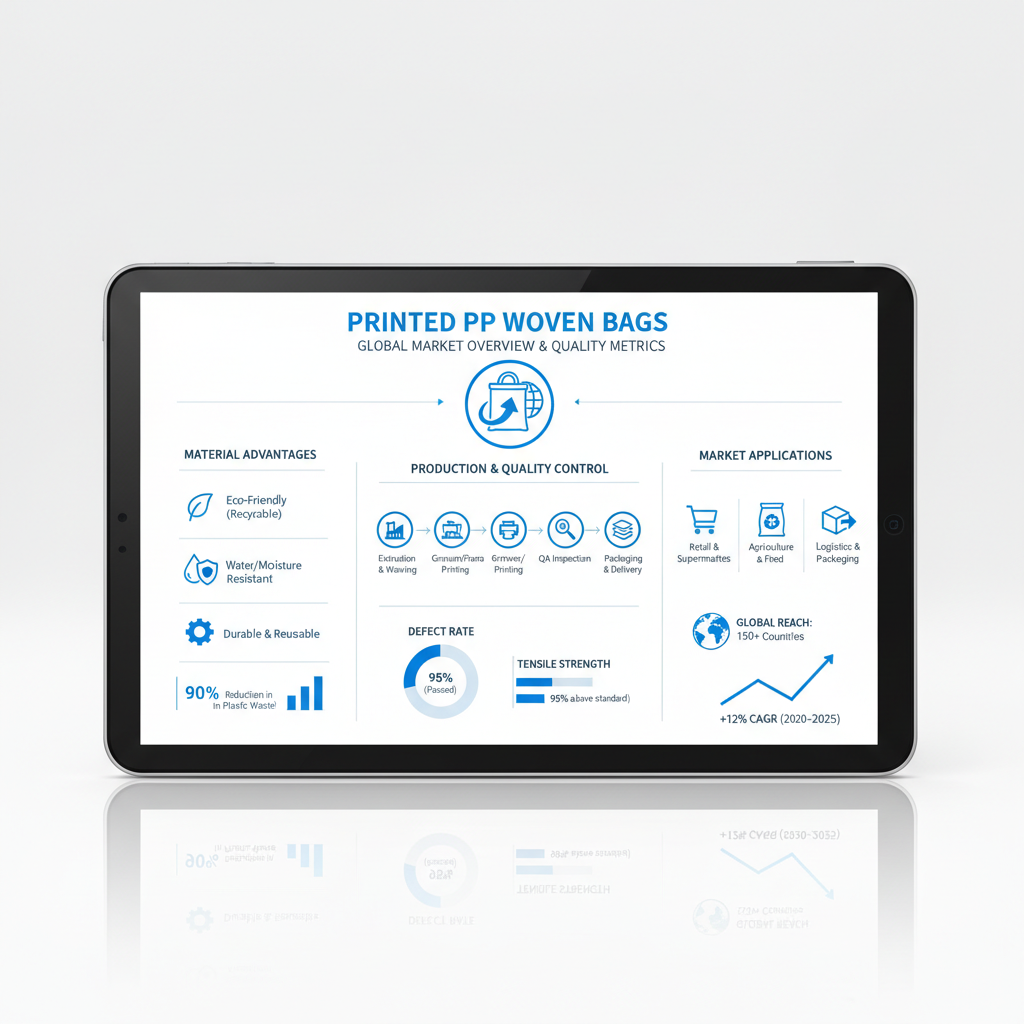
The global market for PP woven bags is substantial and expanding, driven by factors like increasing trade volumes, agricultural output, and demand for cost-efficient packaging. According to industry reports, the market is projected to continue its growth trajectory, fueled by innovations in material science and printing technologies. This growth underscores the importance of understanding the quality standards, manufacturing processes, and sustainability considerations associated with these bags. Addressing challenges related to plastic waste and promoting circular economy models are also critical aspects of this evolving landscape.

Ultimately, printed PP woven bags provide a practical and adaptable solution for a vast range of applications, enabling efficient movement of goods, safeguarding agricultural harvests, and delivering vital supplies in times of need. Their continued relevance depends on ongoing efforts to improve their environmental profile and optimize their performance.
printed pp woven bags

Introduction to Printed PP Woven Bags

printed pp woven bags

Printed PP woven bags serve as a vital component in the global supply chain, providing a reliable and cost-effective means of transporting and storing a wide variety of goods. From agricultural products and building materials to food items and industrial components, these bags offer a robust packaging solution tailored to diverse needs. The ability to customize these bags with vibrant prints and branding elements adds significant value, enhancing product visibility and reinforcing brand identity.

Their inherent strength and resistance to tearing, punctures, and moisture make them particularly suitable for handling heavy loads and protecting sensitive contents during transit. Moreover, the relatively lightweight nature of PP woven bags contributes to reduced shipping costs and improved logistical efficiency. This combination of practical benefits has solidified their position as a preferred packaging choice across numerous industries.

Defining Printed PP Woven Bags

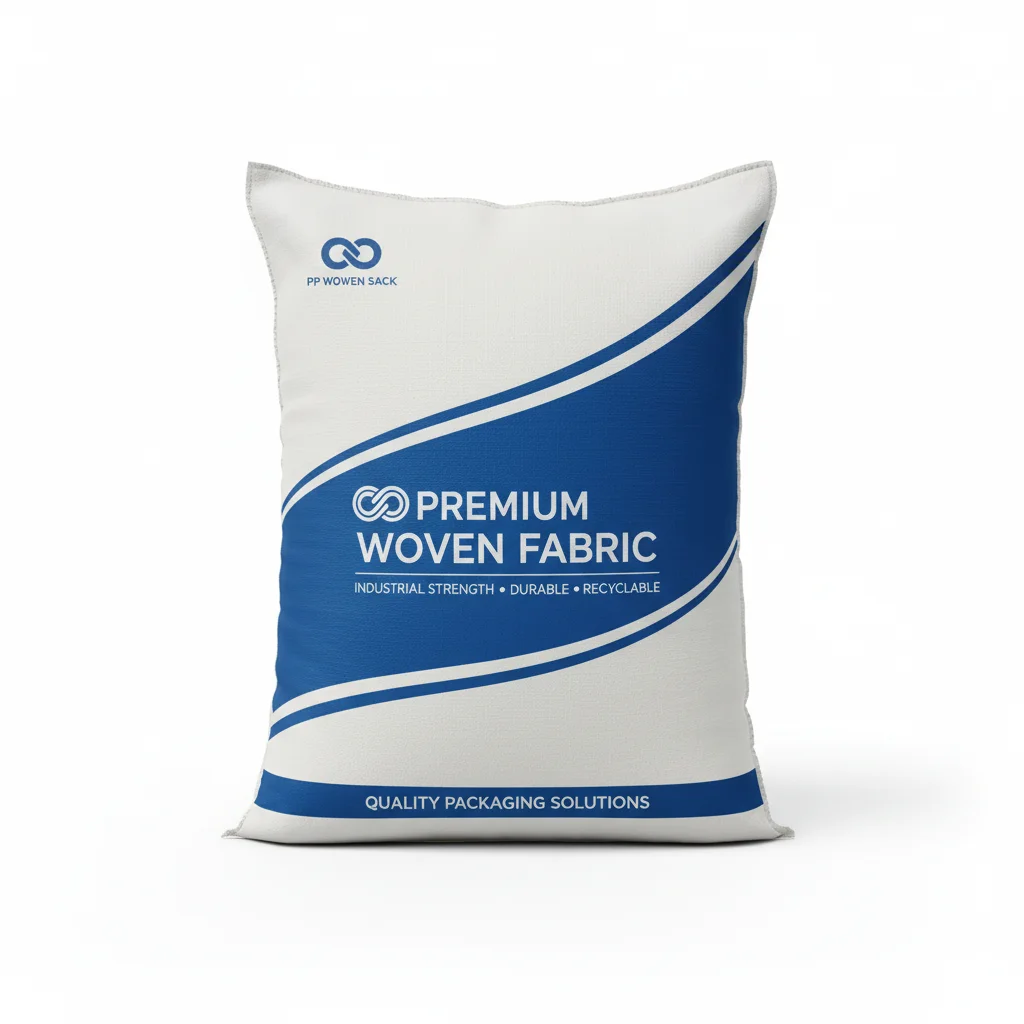
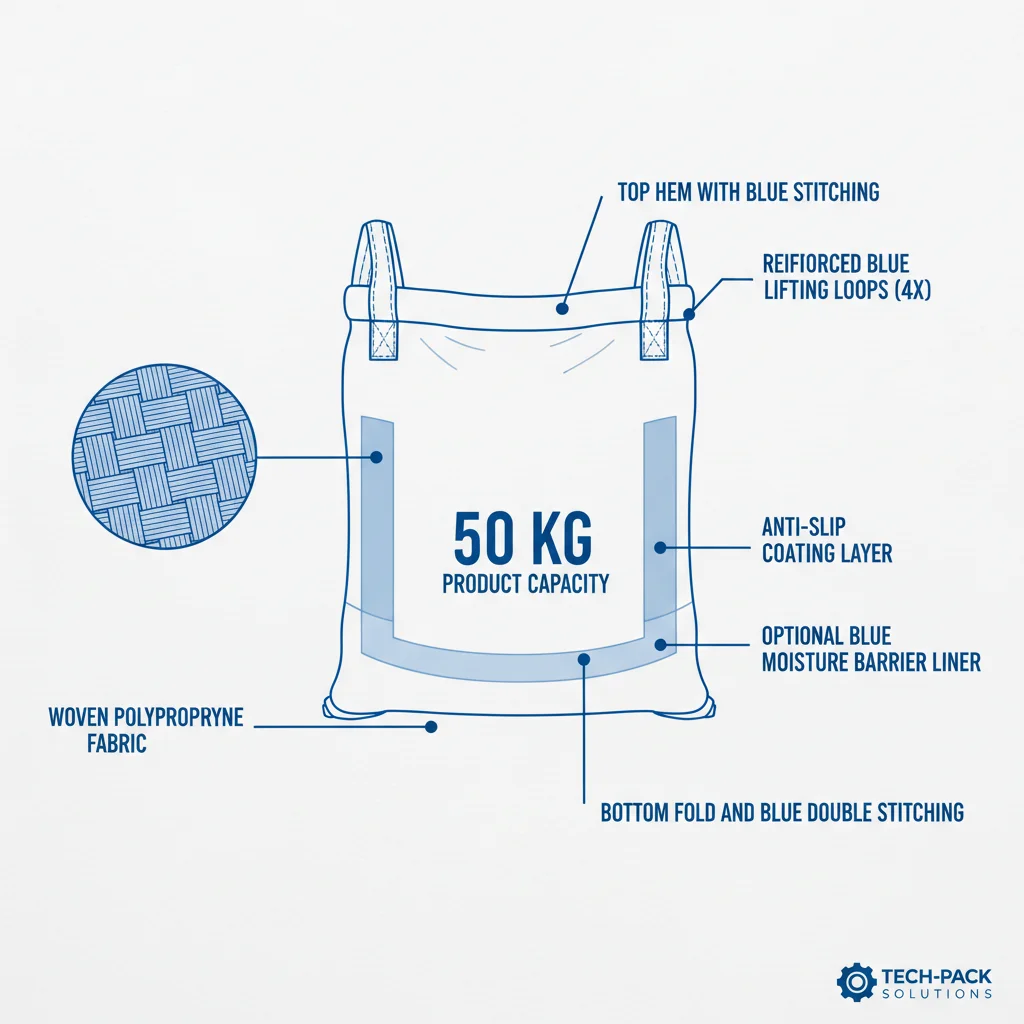
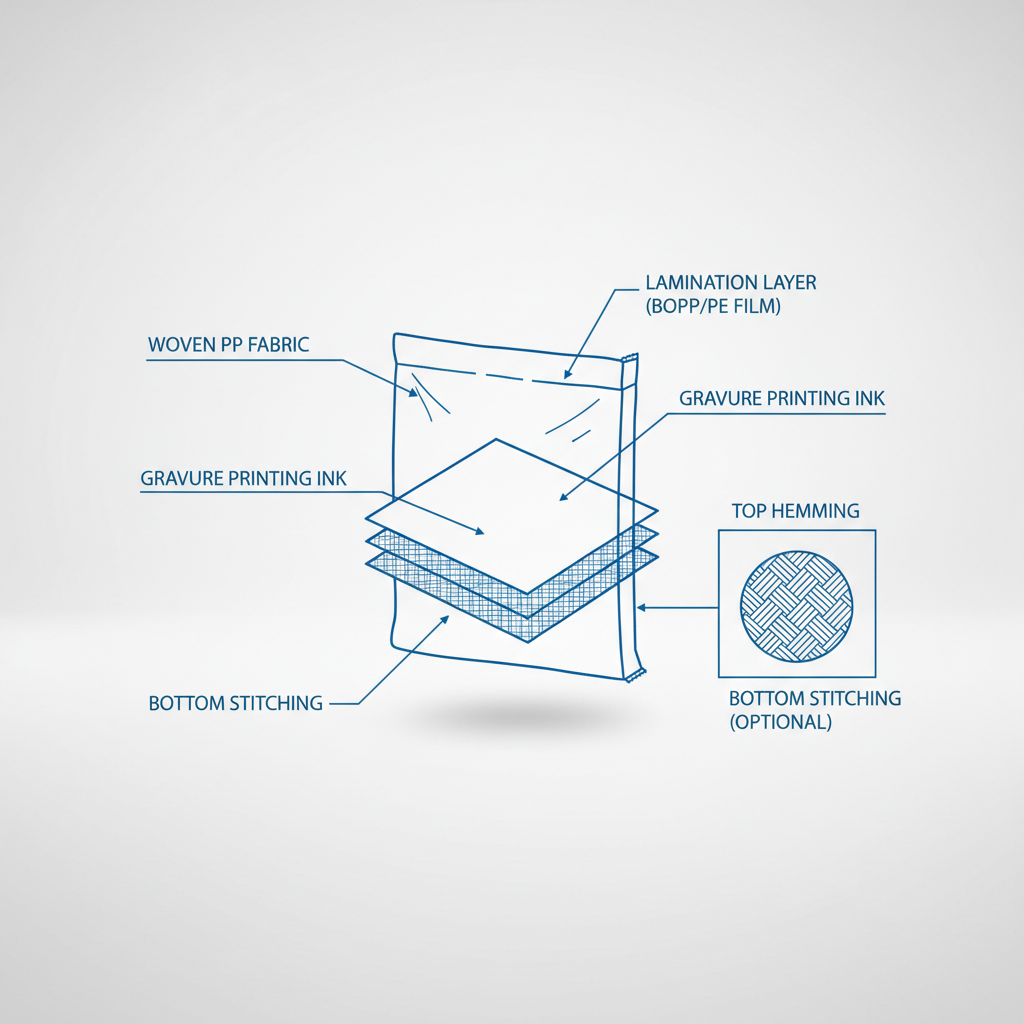
Printed PP woven bags are constructed from woven polypropylene fabric, a thermoplastic polymer known for its exceptional strength-to-weight ratio. The polypropylene strands are interwoven to create a durable and flexible material that can withstand significant stress and strain. These bags are typically coated or laminated to enhance their water resistance, improve print adhesion, and increase their overall longevity.

The “printed” aspect refers to the application of designs, logos, and information directly onto the bag's surface using various printing techniques, such as flexographic printing or rotogravure. This customization allows businesses to promote their brand, provide product details, and ensure clear identification of the bag's contents. The quality of printing plays a crucial role in the overall aesthetic appeal and marketing effectiveness of the bag.

In the context of modern industry and humanitarian efforts, printed PP woven bags play a critical role in ensuring the safe and efficient distribution of essential goods. They are frequently used in food aid programs, disaster relief operations, and agricultural supply chains, contributing to food security and economic stability in vulnerable regions.

Core Characteristics of PP Woven Bags

Durability is a defining characteristic of printed PP woven bags. The woven polypropylene fabric exhibits high tensile strength and resistance to abrasion, making these bags capable of withstanding rigorous handling and transportation conditions. This durability minimizes the risk of product damage during transit, reducing waste and ensuring customer satisfaction.

Cost efficiency is another key advantage. PP woven bags are relatively inexpensive to produce compared to other packaging materials like paper or plastic films, making them an attractive option for businesses operating on tight budgets. This affordability extends throughout the supply chain, minimizing overall packaging costs.

Versatility is inherent in the design of printed PP woven bags. They can be manufactured in a wide range of sizes, shapes, and colors to accommodate various product requirements. Features like liners, gussets, and handles can be added to further enhance their functionality and convenience. This adaptability makes them suitable for a diverse array of applications.

Global Applications and Diverse Use Cases

In the agricultural sector, printed PP woven bags are extensively used for packaging grains, seeds, fertilizers, and animal feed. Their strength and water resistance protect these products from spoilage and contamination during storage and transportation. In post-disaster relief operations, these bags are crucial for distributing food, water, and medical supplies to affected populations.

The construction industry relies on printed PP woven bags for packaging cement, sand, and other building materials. Their robust construction ensures that these heavy materials can be safely transported and stored on construction sites. The chemical industry utilizes them for packaging various powders and granules, requiring bags that are resistant to chemical corrosion.

Across regions such as Africa, South America, and parts of Asia, where agricultural production is significant, the demand for printed PP woven bags remains consistently high. In remote industrial zones, they serve as a cost-effective and reliable packaging solution for transporting raw materials and finished products.

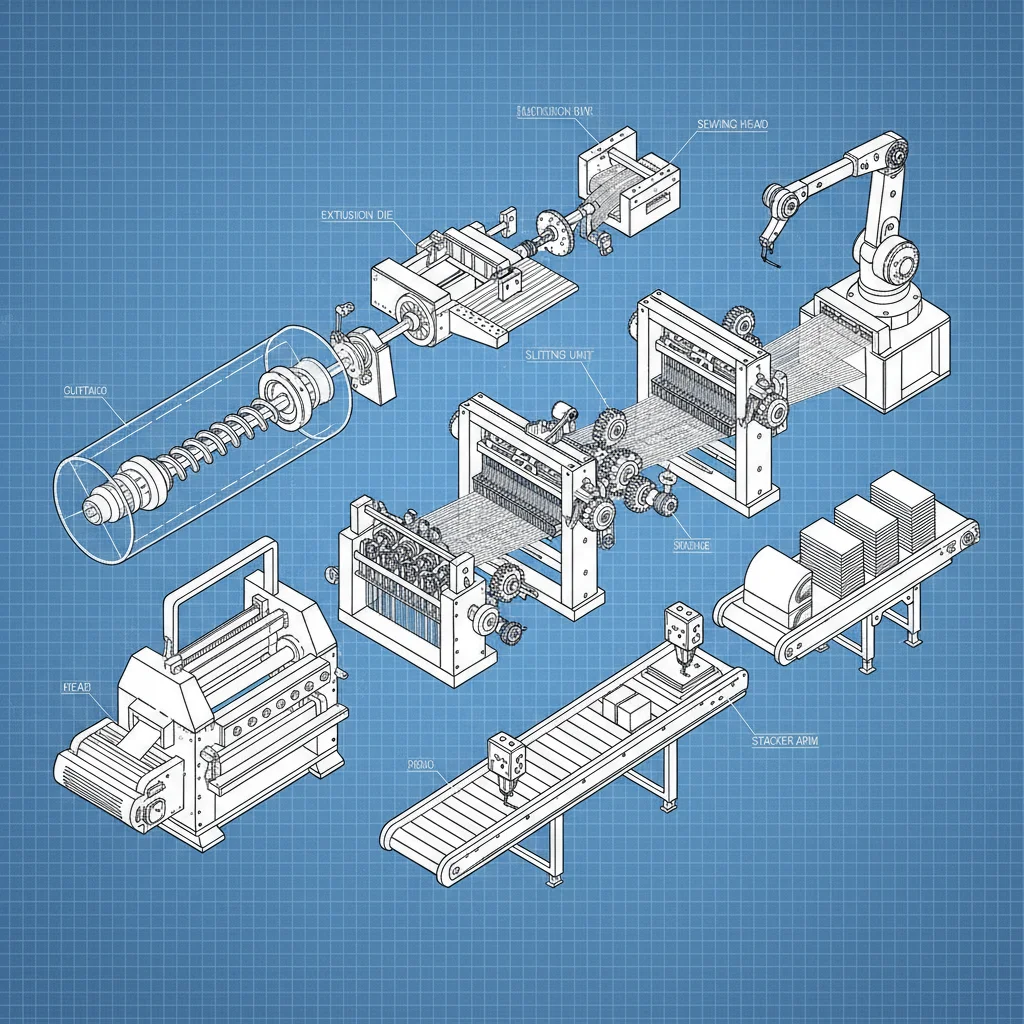
Comparative Analysis of Printed PP Woven Bag Manufacturing Methods

Advantages and Long-Term Value Proposition

The cost savings associated with printed PP woven bags are substantial. Their lower production costs translate into reduced packaging expenses for businesses, improving their profitability. The inherent durability of these bags reduces the frequency of replacements, further contributing to cost efficiency.

From a sustainability perspective, PP woven bags offer potential for recyclability, reducing reliance on virgin plastics. The development of bio-based polypropylene alternatives is also gaining traction, offering a more environmentally friendly option. Using printed PP woven bags instead of single-use plastic options can help minimize environmental impact.

Future Trends and Innovations

Research and development efforts are focused on creating biodegradable PP woven bags, addressing concerns about plastic waste. The integration of digital printing technologies will enable more complex and customized designs, enhancing brand visibility and product differentiation.

The implementation of smart packaging solutions, incorporating RFID tags or QR codes, will enable real-time tracking of goods throughout the supply chain, improving inventory management and reducing losses. Automation in the manufacturing process will increase production efficiency and lower costs.

Challenges and Sustainable Solutions

One significant challenge is the relatively low recycling rate of PP woven bags. Improving collection and sorting infrastructure is crucial for increasing recycling rates. Developing innovative recycling technologies that can effectively process contaminated PP woven bags is also essential.

Addressing the issue of microplastic pollution requires exploring alternative materials and implementing stricter waste management practices. Promoting the use of reusable PP woven bags and encouraging responsible disposal habits can help minimize environmental impact. Collaboration between manufacturers, governments, and consumers is vital for creating a sustainable future for printed PP woven bags.

Implementing closed-loop recycling systems, where waste PP woven bags are collected, recycled, and reused in the production of new bags, offers a promising solution. This approach reduces reliance on virgin materials and minimizes waste generation.

Analysis of Sustainability Metrics for Printed PP Woven Bags

Material Source Recyclability Potential Biodegradability Rate Carbon Footprint (kg CO2e/kg)
Virgin Polypropylene Moderate (Requires Specialized Facilities) Negligible 2.5
Recycled Polypropylene High (Closed-Loop Systems) Negligible 1.8
Bio-Based Polypropylene Moderate (Similar to Virgin PP) Low (Requires Specific Conditions) 2.2
PP Woven Bag with Liner (PE) Low (Separation Difficult) Negligible 2.7
Compostable PP Woven Bag (Experimental) High (Industrial Composting) Moderate to High 3.0
Lightweight PP Woven Bag Moderate Negligible 2.0

FAQS

What is the typical lifespan of printed PP woven bags under normal usage conditions?

The lifespan of printed PP woven bags can vary significantly depending on the quality of the material, the nature of the contents, and the frequency of use. However, under standard conditions—moderate handling, protection from prolonged UV exposure, and appropriate loading—a well-constructed bag can reliably serve for several years. Many users report successful reuse cycles, reducing overall packaging waste. Proper storage when not in use further extends their longevity.

Are printed PP woven bags suitable for food packaging, and what certifications are required?

Yes, printed PP woven bags can be used for food packaging, provided they meet specific safety standards. Compliance with regulations like those set by the FDA (in the US) or EFSA (in Europe) is essential. This typically involves using food-grade polypropylene and ensuring the printing inks are non-toxic and do not migrate into the food. Bags intended for food contact often require certifications demonstrating they meet these stringent criteria.

How does the printing process affect the strength and durability of the PP woven bag?

The printing process, when performed correctly, should not significantly compromise the strength of a PP woven bag. Modern flexographic and rotogravure printing techniques are designed to minimize stress on the fabric. However, excessive ink application or improper curing can potentially weaken the material. Reputable manufacturers employ quality control measures to ensure printing does not negatively impact the bag's structural integrity.

What are the available options for customizing printed PP woven bags beyond just logos and text?

Customization options extend far beyond simple logos and text. You can incorporate intricate designs, photographs, barcodes, QR codes, and variable data printing (e.g., serial numbers). Lamination can provide a glossy or matte finish, and specialized coatings can enhance water resistance or UV protection. Furthermore, bag features like handles, liners, and gussets can be tailored to specific needs.

What is the environmental impact of printed PP woven bags, and are there eco-friendly alternatives?

The environmental impact of PP woven bags centers around their reliance on fossil fuels for production and the challenges associated with recycling. While PP is technically recyclable, infrastructure limitations often lead to landfill disposal. Eco-friendly alternatives include bags made from recycled PP, bio-based polypropylene, or compostable materials (though these are still emerging technologies). Reducing bag weight and promoting reuse are also key steps towards minimizing their environmental footprint.

What factors should I consider when choosing a supplier of printed PP woven bags?

Consider several factors when selecting a supplier: their manufacturing capacity, quality control processes, printing capabilities, and commitment to sustainability. Check for relevant certifications (e.g., ISO 9001). Evaluate their pricing structure, lead times, and customer service. Request samples to assess the quality of their products and ensure they meet your specific requirements. A reliable supplier will offer consistent quality and timely delivery.

Conclusion

Printed PP woven bags represent a versatile and cost-effective packaging solution that plays a vital role in numerous industries worldwide. Their inherent durability, customizability, and relative affordability make them a preferred choice for transporting and storing a diverse range of goods, from agricultural products to construction materials. Addressing the challenges related to recyclability and promoting sustainable practices are crucial for ensuring the long-term viability of this important packaging material.

Looking ahead, continued innovation in materials, printing technologies, and recycling infrastructure will be essential for enhancing the environmental profile and performance of printed PP woven bags. By embracing circular economy principles and collaborating across the value chain, we can unlock the full potential of these bags while minimizing their environmental impact. For superior quality and customized solutions, visit our website: printed pp woven bags.

Samuel Carter

Samuel Carter

Samuel Carter is the Lead Structural Design Engineer at Hebei Shengshi Jintang Packaging. He specializes in the design and prototyping of custom packaging solutions tailored to unique client needs. With a background in mechanical engineering and 8 years of experience, Samuel excels at translating conceptual ideas into tangible, market-ready packaging.
Previous Understanding Pp Woven Sacks Price Trends and Influencing Factors
Next Sustainable Solutions Recycled PP Woven Bags for a Greener Future

If you are interested in our products, you can choose to leave your information here, and we will be in touch with you shortly.