
The Comprehensive Guide to PP Woven Bags Applications and Sourcing
February 26, 2026
The Ultimate Guide to PP Woven Bags: Applications, Benefits & Sourcing
PP woven bags, short for polypropylene woven bags, are incredibly versatile packaging solutions used across a vast range of industries. Known for their strength, durability, and cost-effectiveness, these bags are a staple in agriculture, construction, retail, and more. This article will comprehensively explore the benefits of PP woven bags, their diverse applications, crucial specifications to consider, and how to source the right bag for your needs. Understanding the nuances of PP woven bags is vital for optimizing your packaging strategy and ensuring product safety during transit and storage.
What are PP Woven Bags and Why Choose Them?
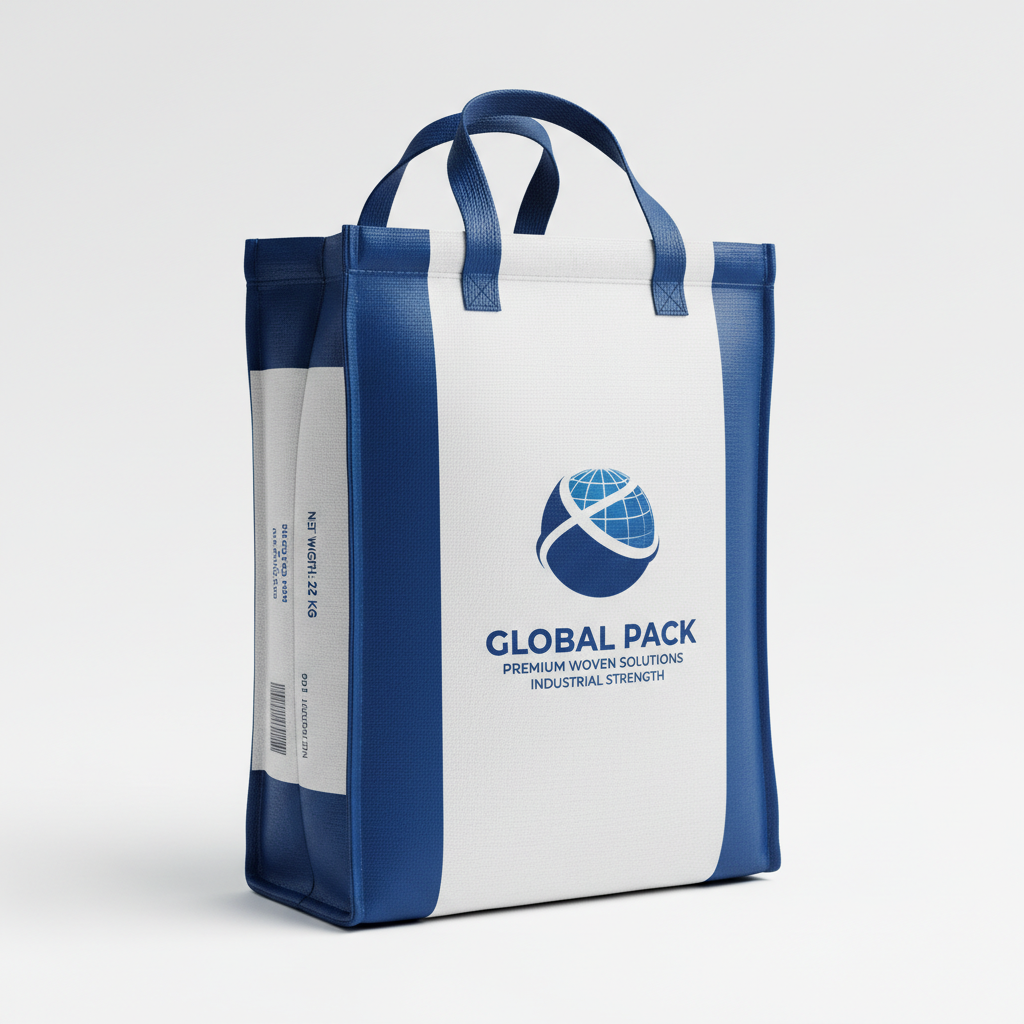
PP woven bags are made from polypropylene, a thermoplastic polymer. The polypropylene is extruded into thin, flat ribbons, which are then woven together to create a strong fabric. This fabric is then coated (or laminated) to increase strength, water resistance, and printability. The benefits of choosing PP woven bags are numerous. They are remarkably strong, resisting tearing and punctures. They are also lightweight, making them easy to handle and transport. Furthermore, PP woven bags are incredibly cost-effective, particularly when compared to alternatives like paper or woven natural fiber bags. Their inherent resistance to moisture and chemicals also makes them a practical choice for various goods. SSJT Pack offers a diverse range of PP woven bag solutions tailored to specific industry needs.
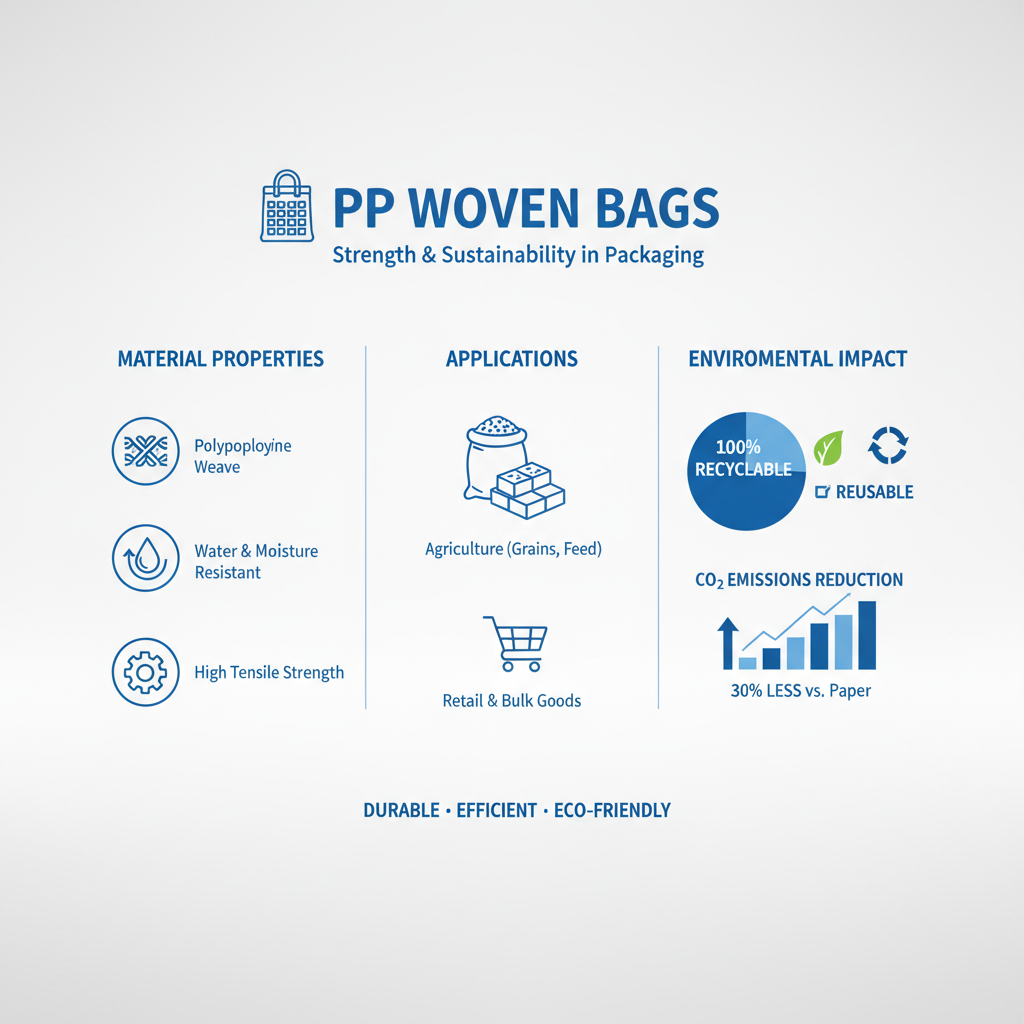
Key Benefits: High tensile strength, lightweight, cost-effective, water resistant, durable, recyclable.
Diverse Applications of PP Woven Bags
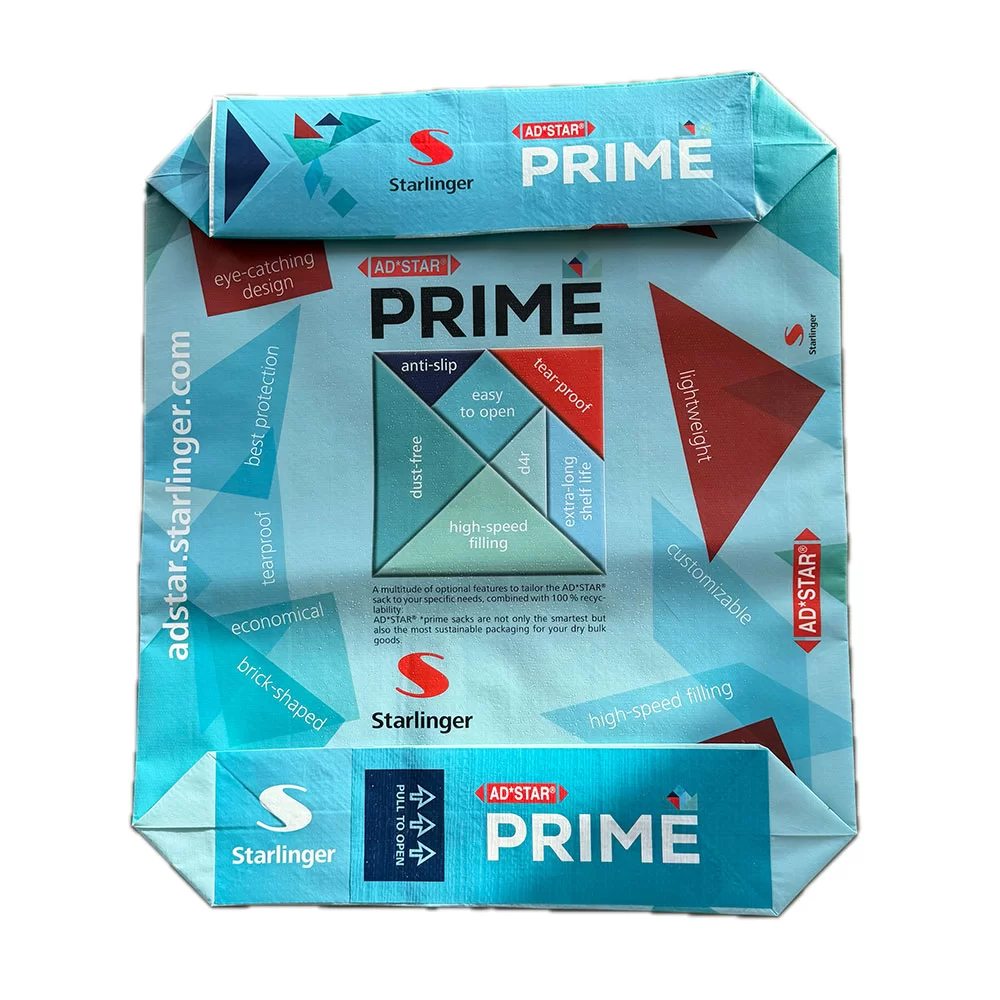
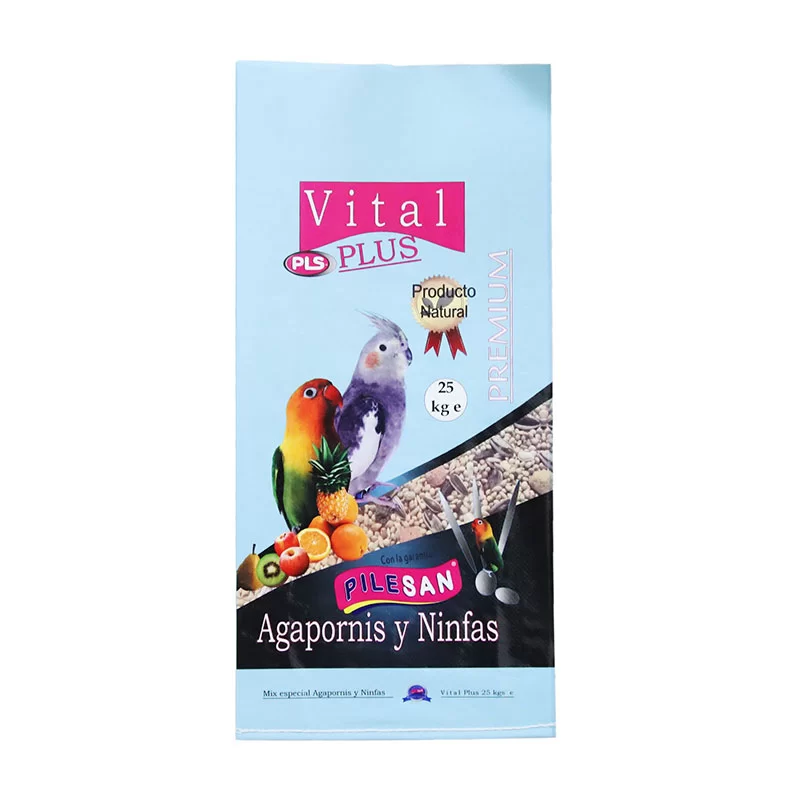
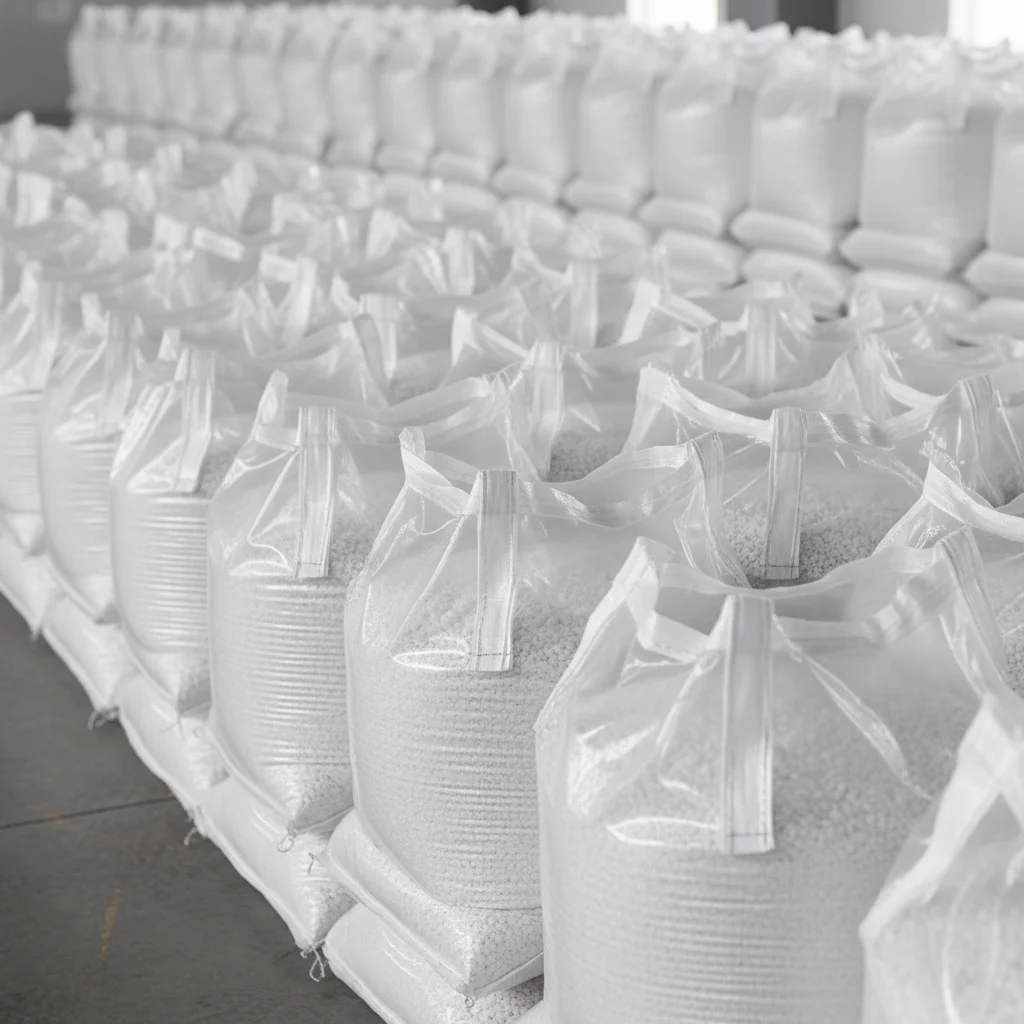
The applications of PP woven bags are remarkably diverse. In agriculture, they're used for packaging grains, fertilizers, animal feed, and produce. The construction industry utilizes them for packaging cement, sand, and other building materials. Retailers employ them for packaging pet food, salt, sugar, and a variety of other consumer goods. They are also common in packaging industrial products, charcoal, and even for flood control sandbags. The versatility stems from the ability to customize these bags with varying sizes, weights, and coatings to suit the specific product requirements.
Common Applications:
• Agriculture: Grains, Seeds, Fertilizer
• Construction: Cement, Sand, Building Materials
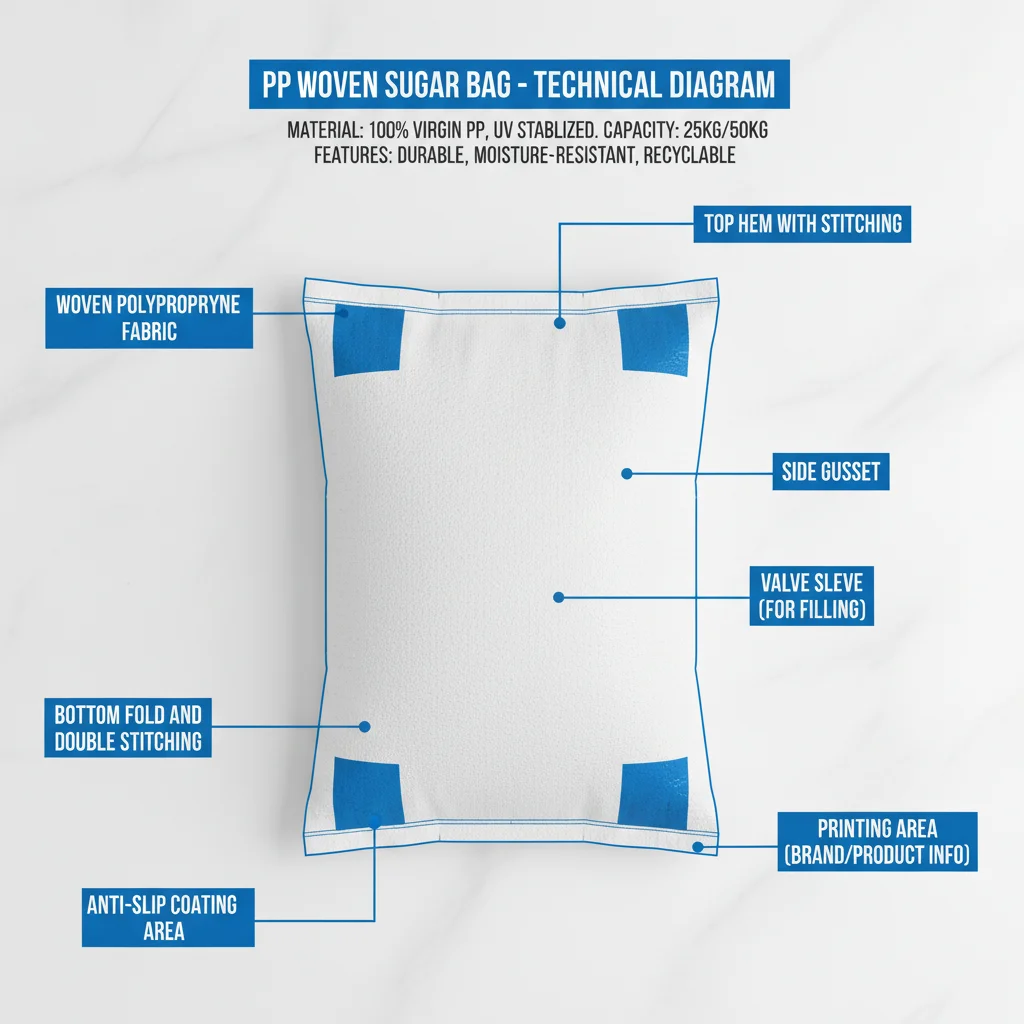
• Retail: Pet Food, Sugar, Salt
• Industrial: Chemicals, Polymers
Understanding PP Woven Bag Specifications: A Detailed Look
Selecting the right PP woven bag requires understanding its key specifications. These include denier, GSM, weave type, coating, printing, and size. Denier refers to the thickness of the yarn – a higher denier means a stronger bag. GSM (grams per square meter) indicates the bag’s weight and density; higher GSM translates to higher strength. The weave type (e.g., plain, twill, circular) affects the bag's strength and appearance. Coating (e.g., BOPP lamination, PE lamination) provides water resistance and printability. Accurate specification is essential for meeting your packaging demands.
Sourcing High-Quality PP Woven Bags: Key Considerations
When sourcing PP woven bags, it’s crucial to choose a reputable supplier. Look for a manufacturer with a proven track record of quality, competitive pricing, and reliable delivery. Consider factors like production capacity, quality control procedures, and customization options. Furthermore, ensure the supplier can meet your specific requirements regarding materials, coatings, and printing. SSJT Pack provides a seamless sourcing experience, offering customized solutions and strict quality control.
Sustainability and PP Woven Bags
While PP is a plastic, it is a recyclable material (resin code #5). Increasingly, manufacturers are incorporating recycled PP into the production of woven bags, minimizing environmental impact. Choosing suppliers committed to sustainable practices is vital. Additionally, the durability of PP woven bags means they can be reused multiple times before needing replacement, contributing to a reduced carbon footprint. We actively promote responsible manufacturing and encourage the use of recycled materials in our products.
Conclusion: Choosing the Right PP Woven Bag for Your Needs
Selecting the correct PP woven bag is crucial for ensuring product protection, cost-effectiveness, and sustainability. By understanding the key specifications, sourcing from a reputable supplier like SSJT Pack, and considering environmental factors, you can optimize your packaging solution for long-term success.
Frequently Asked Questions (FAQs)
What is the typical lead time for a custom PP woven bag order?
The lead time for a custom PP woven bag order typically ranges from 3 to 6 weeks, depending on the complexity of the order, the quantity required, and the supplier’s current production schedule. Factors affecting lead time include artwork approval, material sourcing, printing setup, and quality control processes. It's always best to discuss your specific requirements and desired delivery date with the supplier during the quotation process to ensure realistic expectations. We at SSJT Pack strive to offer competitive lead times without compromising on quality.
Can PP woven bags be printed with my logo?
Yes, PP woven bags can be printed with your logo or custom designs. Common printing methods include flexographic printing, which is cost-effective for large runs, and rotogravure printing, which provides higher image quality for more complex designs. The number of colors in your design will affect the printing cost. Ensure you provide high-resolution artwork to the supplier for optimal print quality. We offer comprehensive printing services to bring your branding to life.
What is the maximum weight a PP woven bag can hold?
The maximum weight a PP woven bag can hold depends on the bag’s specifications, including the denier, GSM, and weave type. A standard bag with a GSM of 70-90 can typically hold between 10-20kg (22-44lbs). Heavier-duty bags with higher GSM can hold significantly more weight, up to 50kg (110lbs) or even higher. It's crucial to accurately assess the weight of the product being packaged and select a bag with an appropriate weight capacity to ensure safe handling and prevent breakage.
Are PP woven bags waterproof?
PP woven bags are inherently water-resistant due to the nature of polypropylene. However, they are not completely waterproof. To enhance water resistance, bags are often coated with polyethylene (PE) or biaxially-oriented polypropylene (BOPP) film. This coating creates a barrier that prevents moisture from penetrating the bag. The level of water resistance depends on the type and thickness of the coating applied. For applications requiring complete waterproofing, laminated bags are the best choice.
Hit enter to search or ESC to close


