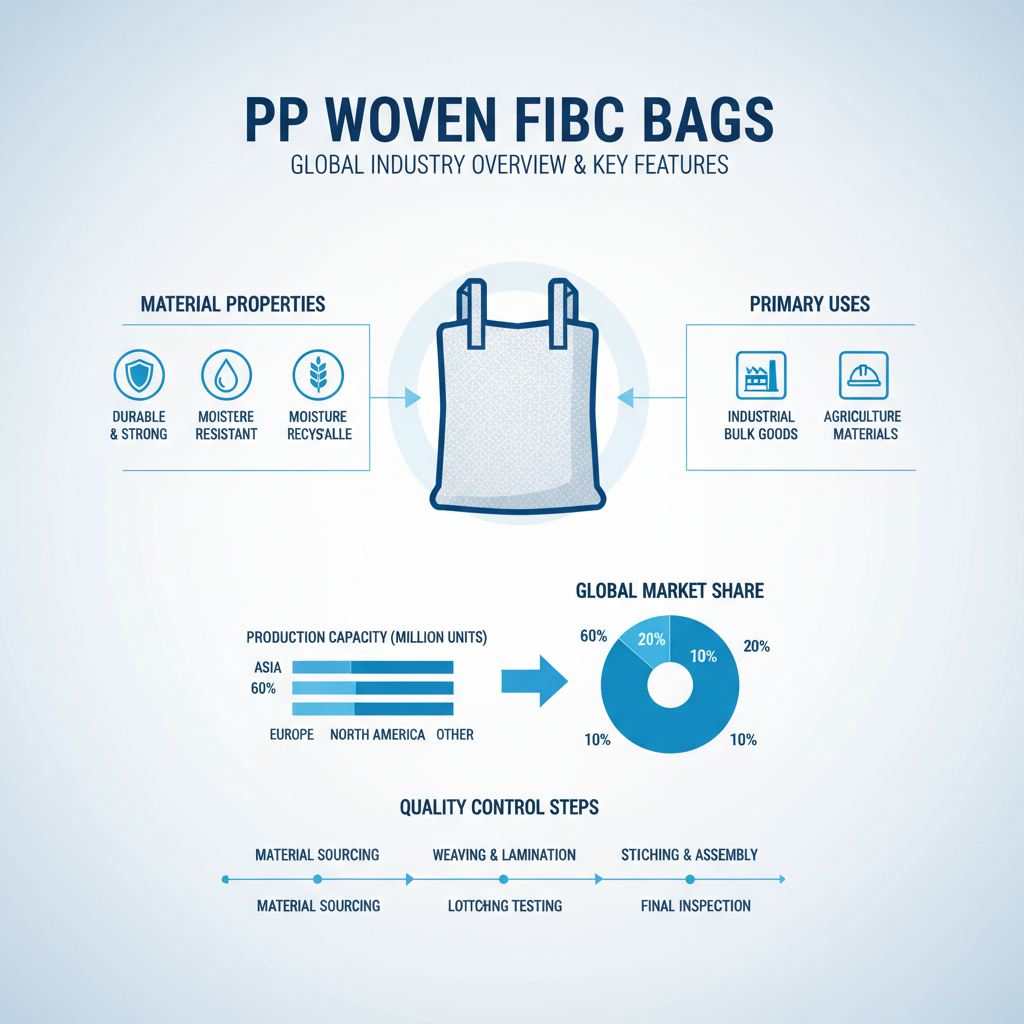
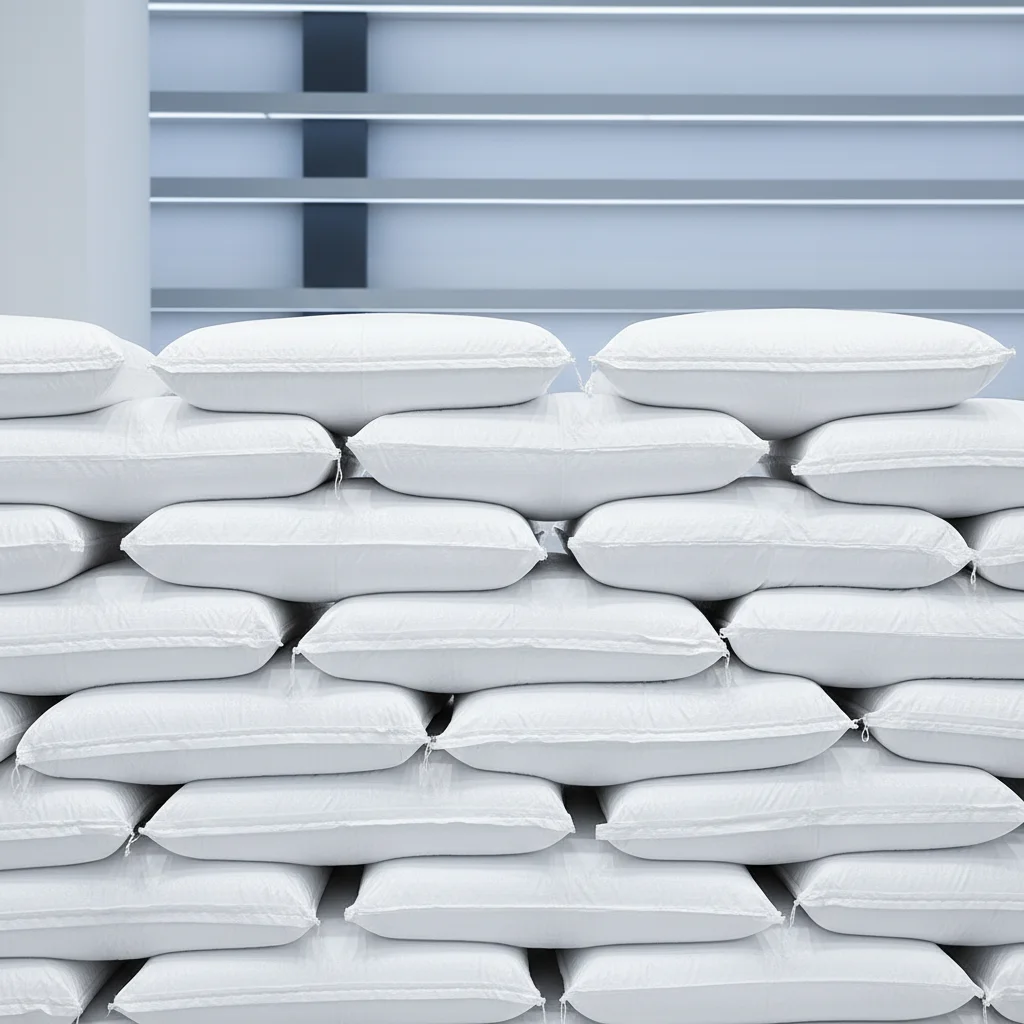
In the complex landscape of global logistics and industrial packaging, pp woven fibc bags have emerged as an indispensable tool for the efficient transport of bulk materials. These Flexible Intermediate Bulk Containers (FIBCs) combine the lightweight properties of polypropylene with the extreme strength of woven fabric, allowing industries to move tons of material with minimal effort and maximum security. Understanding the nuances of these containers is key to optimizing supply chain costs and ensuring safety in the workplace.
The global demand for high-capacity packaging has surged as emerging economies scale up their mining, agricultural, and chemical production. By utilizing pp woven fibc bags, companies can significantly reduce the number of smaller bags required, thereby lowering labor costs and reducing the environmental footprint associated with plastic waste. This shift toward bulk handling is not merely a trend but a necessary evolution in industrial efficiency.
However, selecting the right type of bulk bag requires a deep understanding of material science and safety factors. From UV stabilization to moisture barriers and safe working load (SWL) ratings, the technical specifications of pp woven fibc bags directly impact the integrity of the cargo and the safety of the personnel handling them. This guide explores the comprehensive utility, technical advantages, and future trajectory of these essential industrial containers.
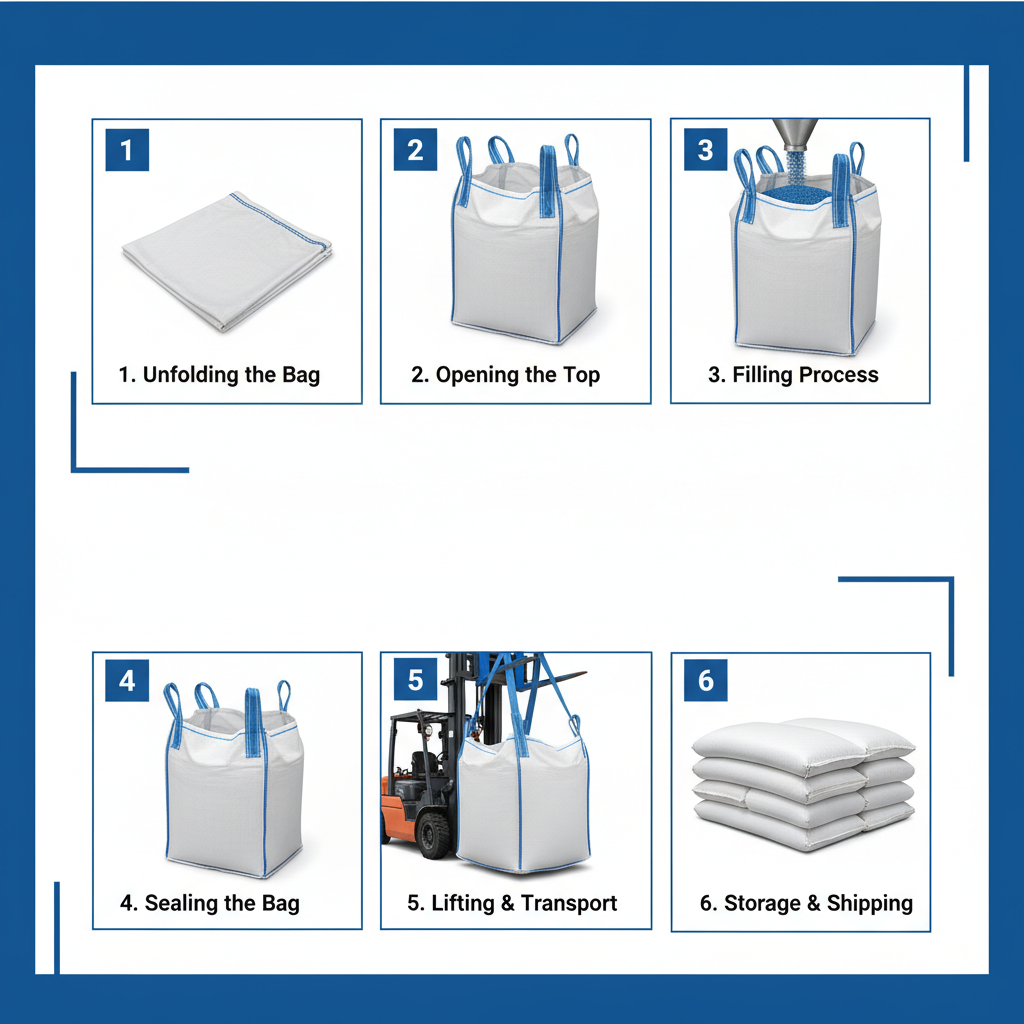
The Fundamental Mechanics of PP Woven FIBC Bags
At its core, pp woven fibc bags are engineered from polypropylene (PP) resin, which is extruded into thin tapes. These tapes are then woven together in two directions—warp and weft—to create a fabric with exceptional tensile strength. This weaving process ensures that the bag can withstand the immense internal pressure exerted by heavy bulk materials without tearing or stretching excessively.
The "Flexible" part of the FIBC definition refers to the bag's ability to adapt to the shape of the contents and the storage environment. Whether it is a circular design for powders or a U-panel design for denser granules, the structural integrity of these bags allows for vertical stacking and mechanized lifting via cranes or forklifts, making them the gold standard for modern bulk logistics.
Technical Specifications and Durability Factors
The durability of pp woven fibc bags is primarily determined by the denier of the fabric and the weave density. High-denier tapes provide a thicker wall, which is essential for transporting abrasive materials like minerals or crushed stone. Furthermore, the Safe Working Load (SWL) and the Safety Factor (typically 5:1 or 6:1) are critical metrics that ensure the bag does not fail under unexpected stress during transit.
Another critical technical aspect is UV stabilization. Polypropylene is naturally susceptible to degradation when exposed to sunlight; therefore, high-quality bulk bags are treated with UV inhibitors during the extrusion process. This prevents the polymer chains from breaking down, ensuring that the bags remain strong even when stored in outdoor yards or transported in open-top trucks across sun-drenched regions.
Finally, the choice of lining plays a pivotal role. For materials that are hygroscopic or fine-grained, a polyethylene (PE) inner liner is often added to pp woven fibc bags. This creates a moisture-proof barrier that prevents contamination and leakage, ensuring that the product reaches the end customer in the same condition it left the production line.
Global Industrial Applications and Use Cases
Across the globe, pp woven fibc bags serve as the backbone for the agriculture sector. In regions like Southeast Asia and South America, they are used extensively for the bulk transport of rice, corn, and coffee beans. Their ability to be easily filled and discharged makes them ideal for the seasonal nature of harvests where rapid movement of goods from field to silo is required.
In the chemical and pharmaceutical industries, specialized pp woven fibc bags known as "Type C" (conductive) and "Type D" (dissipative) are utilized. These bags are engineered to prevent the buildup of static electricity, which is vital when handling flammable powders or volatile chemicals that could ignite from a single spark, thus ensuring high-level safety in hazardous environments.
Beyond commerce, these containers are critical in humanitarian aid and disaster relief. From transporting emergency food supplies to creating makeshift flood barriers (sandbagging on a massive scale), the versatility of pp woven fibc bags allows NGOs to deploy massive quantities of resources to remote areas quickly and reliably, regardless of the local infrastructure.
Comparative Efficiency and Cost-Benefit Analysis
When comparing pp woven fibc bags to traditional 25kg sacks or rigid drums, the efficiency gains are staggering. A single FIBC can replace approximately 80 to 100 small bags, which drastically reduces the man-hours required for loading and unloading. This reduction in touch-points not only accelerates the supply chain but also minimizes the risk of workplace injuries associated with manual lifting.
From a financial perspective, while the unit cost of a bulk bag is higher than a small sack, the total cost of ownership is significantly lower. Savings are realized in reduced packaging waste, lower shipping costs due to better space utilization in containers, and decreased storage requirements. The following data illustrates the performance ratings of different pp woven fibc bags configurations across key industrial metrics.
Performance Metrics of PP Woven FIBC Bag Variants
Safety Standards and Regulatory Compliance
Safety is the paramount concern when utilizing pp woven fibc bags to carry thousands of kilograms. Compliance with ISO standards and regional regulations (such as OSHA in the US or EU safety directives) is mandatory. The most critical safety check is the Safety Factor (SF), which ensures that the bag can handle loads beyond its rated capacity to account for dynamic forces during lifting.
Furthermore, the implementation of strict lifting protocols is essential. Operators must be trained to check for fabric wear, tear, or UV degradation before every lift. Using the correct lifting equipment and ensuring that pp woven fibc bags are not overloaded prevents catastrophic failures that could lead to severe industrial accidents, highlighting the intersection of material quality and operational discipline.
Sustainability and the Circular Economy in Packaging
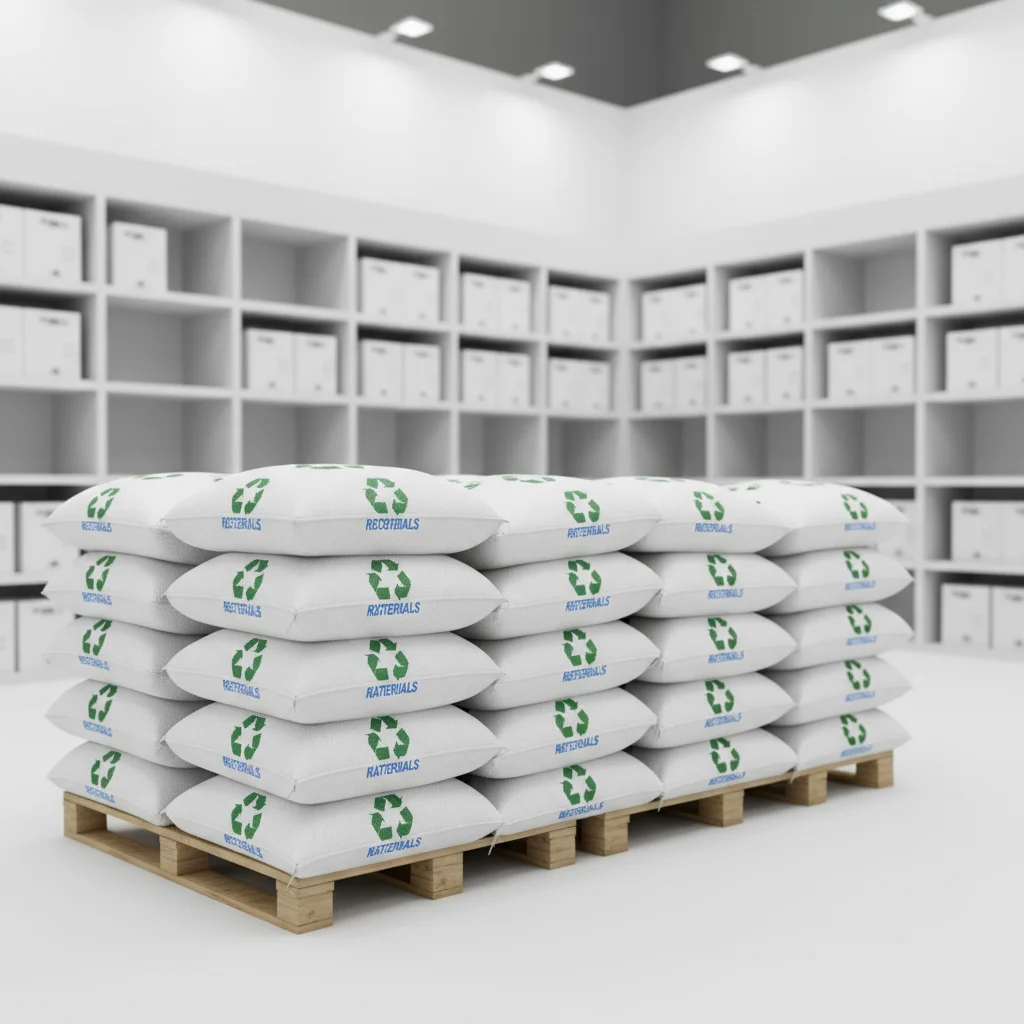
As the world moves toward a circular economy, the role of pp woven fibc bags is evolving. Polypropylene is a thermoplastic, meaning it can be melted and reshaped multiple times. Many companies are now implementing "closed-loop" systems where used bulk bags are collected, cleaned, and pelletized to create new plastic products, reducing the reliance on virgin petroleum-based resins.
The transition to multi-trip bags is another significant sustainability leap. By increasing the safety factor and using higher-grade fabrics, pp woven fibc bags can be designed for multiple uses rather than single-use disposal. This not only reduces the volume of plastic entering landfills but also significantly lowers the carbon footprint per ton of material transported.
Moreover, the industry is exploring bio-based polypropylene and biodegradable additives. While these are still in the early stages of mass adoption, the goal is to create pp woven fibc bags that maintain their industrial strength but decompose safely at the end of their lifecycle, aligning industrial necessity with environmental stewardship.
Future Innovations in Polypropylene Bulk Packaging
The future of pp woven fibc bags lies in the integration of "Smart Packaging." We are seeing the introduction of RFID tags and IoT sensors embedded directly into the bag's fabric. These sensors can monitor the weight, temperature, and location of the cargo in real-time, providing unprecedented transparency in the global supply chain and automating inventory management.
Material science is also advancing with the introduction of nano-coatings. These coatings can make pp woven fibc bags completely impermeable to gases or provide antimicrobial properties, opening new doors for the transport of sensitive food items and high-purity chemicals. The focus is shifting from mere "containment" to "active protection" of the contents.
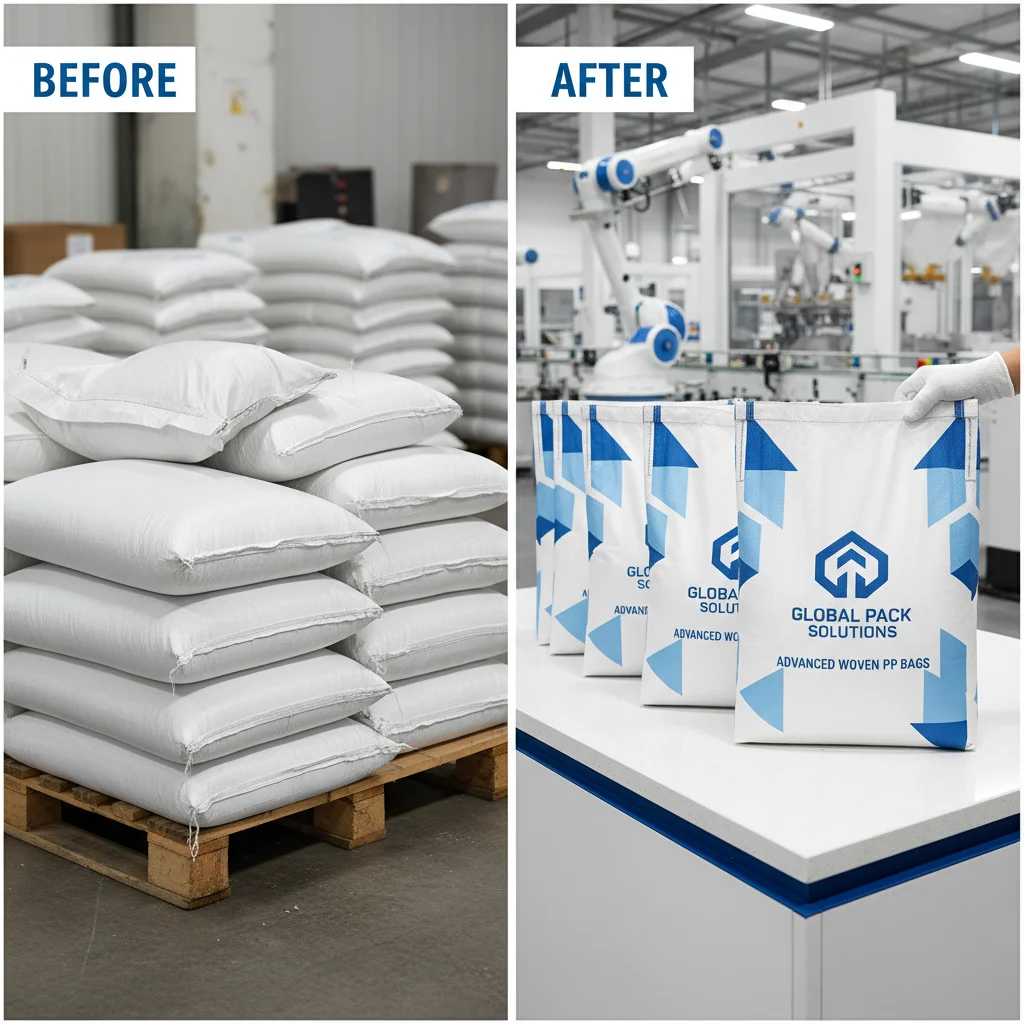
Automation in filling and discharging processes is the final frontier. The development of bags specifically tailored for robotic handling—featuring standardized gripping points and precision-engineered discharge spouts—will further reduce human error and increase the throughput of industrial facilities.
Analysis of Innovative Features in Modern PP Woven FIBC Bags
| Innovation Type |
Primary Benefit |
Implementation Cost |
Industry Impact Score |
| RFID Integration |
Real-time Tracking |
Medium |
9/10 |
| Nano-Coatings |
Gas Impermeability |
High |
8/10 |
| Bio-PP Resin |
Carbon Reduction |
Medium |
7/10 |
| Anti-Static Weave |
Explosion Prevention |
Low |
10/10 |
| Baffle Technology |
Space Optimization |
Low |
9/10 |
| Recycled PP Pellets |
Waste Reduction |
Low |
8/10 |
FAQS
While both use polypropylene, a standard woven bag is typically for smaller loads (25-50kg) and handled manually. pp woven fibc bags are "Flexible Intermediate Bulk Containers" designed for massive loads (500kg to 2000kg) and are equipped with lifting loops for crane or forklift handling, offering far greater structural strength and volume.
The Safety Factor (SF) depends on the intended use. A 5:1 SF is standard for single-trip pp woven fibc bags, meaning the bag can technically hold five times its rated load before failing. For multi-trip bags, a 6:1 SF is typically required to ensure long-term reliability and account for repeated stress cycles.
Yes, provided they are manufactured in a certified clean-room environment using virgin polypropylene resins. Food-grade pp woven fibc bags comply with FDA or EFSA regulations, ensuring no harmful chemicals leach into the food products, making them safe for flour, sugar, and grain transport.
Reuse is possible only if the bag was specifically designed for multi-trip use (higher SF). Standard single-trip pp woven fibc bags should never be reused, as the fabric weakens during the first fill/empty cycle, significantly increasing the risk of a catastrophic rupture during a second use.
You should specifically request Type C (conductive) or Type D (dissipative) pp woven fibc bags. Type C bags must be grounded during filling/emptying to bleed off static, while Type D bags use special fabric that dissipates static into the air without needing a ground connection.
To maximize the lifespan of pp woven fibc bags, store them in a cool, dry place away from direct sunlight. Even with UV inhibitors, prolonged exposure to extreme UV rays will eventually degrade the polypropylene. Avoid storing them near sharp objects that could cause micro-punctures in the weave.
Conclusion
The integration of pp woven fibc bags into modern industrial processes has revolutionized the way we handle bulk materials. By combining high tensile strength, versatile design options, and a focus on safety and regulatory compliance, these containers provide a cost-effective and efficient solution for diverse sectors ranging from agriculture to hazardous chemical transport. The transition from traditional packaging to FIBCs represents a broader industrial shift toward optimization and systemic efficiency.
Looking forward, the synergy between material science and digital technology will continue to push the boundaries of what bulk packaging can achieve. As sustainability becomes a non-negotiable requirement, the adoption of recycled resins and smart-tracking technologies will ensure that pp woven fibc bags remain at the forefront of global logistics. We encourage businesses to evaluate their current packaging strategies and move toward these high-performance solutions to ensure safety, reduce waste, and enhance operational throughput. Visit our website: www.ssjtpack.com