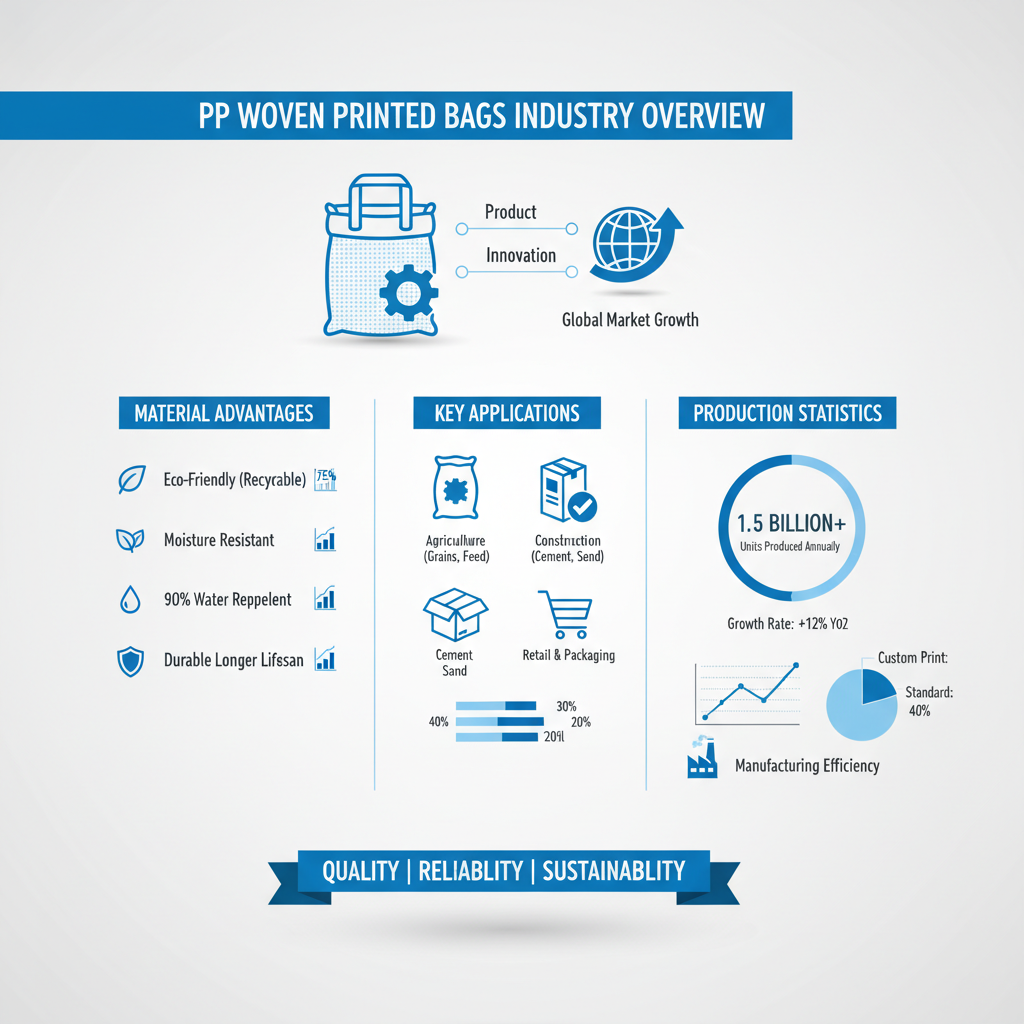
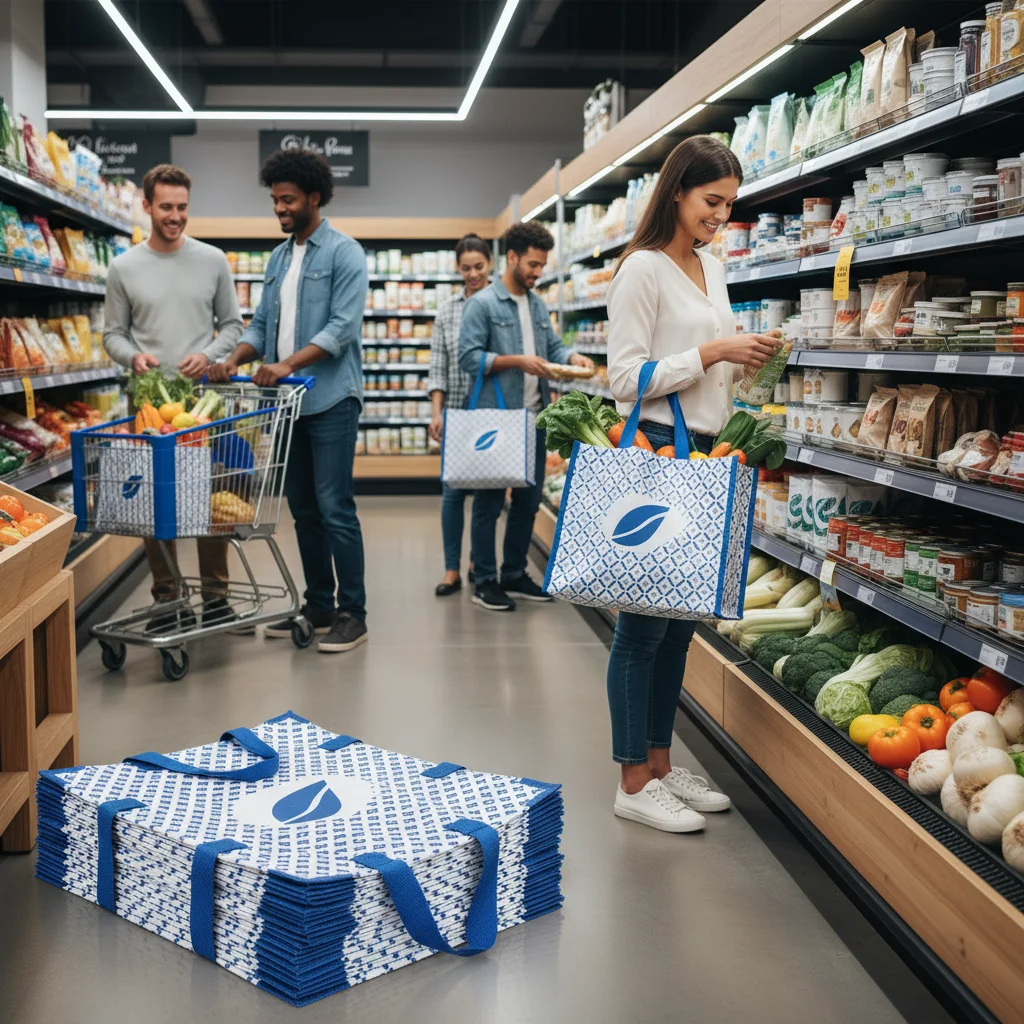
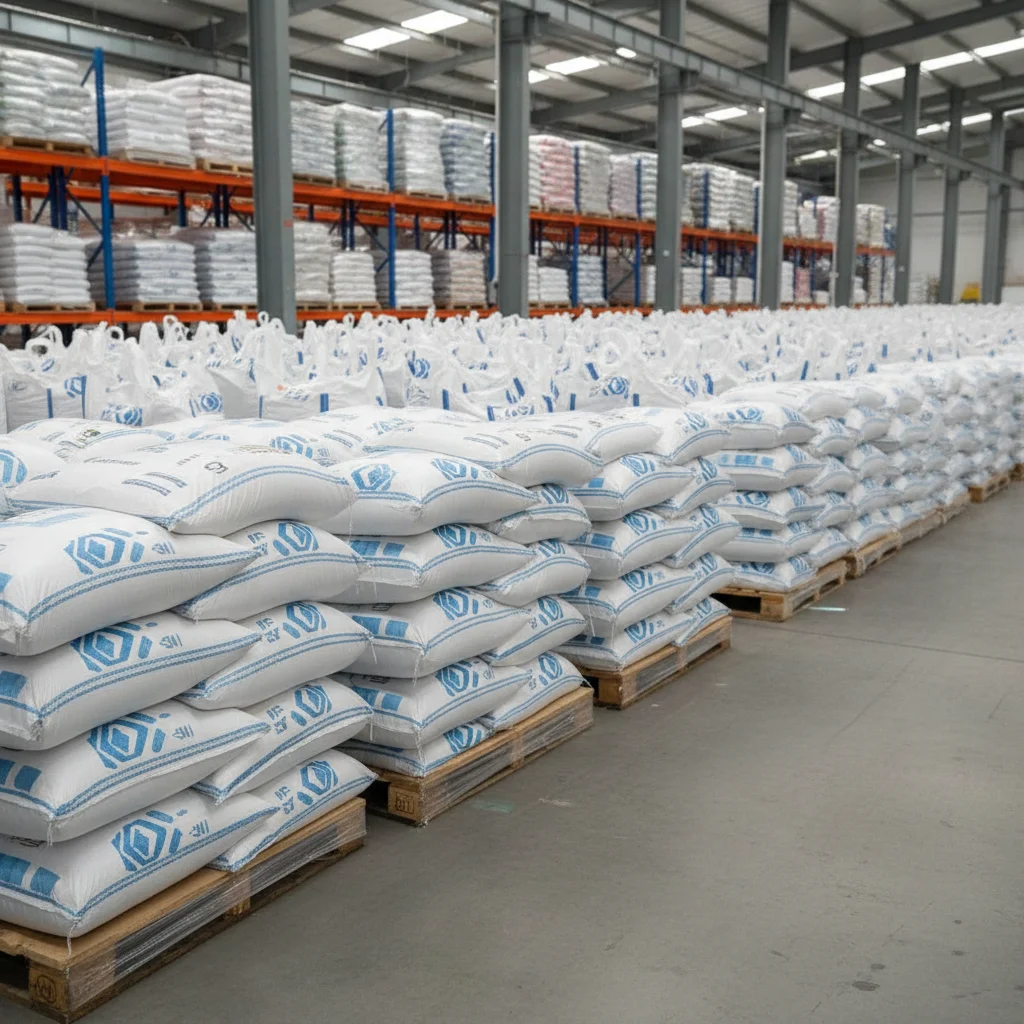
In the competitive landscape of industrial packaging, pp woven printed bags have emerged as a cornerstone for businesses seeking a balance between rugged durability and high-impact branding. These versatile containers are not merely tools for transport; they serve as mobile billboards that communicate brand reliability and product quality across global supply chains.
The global demand for these specialized packaging solutions is driven by the need for materials that can withstand extreme tension, moisture, and rough handling while maintaining a professional aesthetic. From agricultural seeds to chemical powders, the ability to integrate high-resolution graphics onto a reinforced polymer substrate allows manufacturers to differentiate their products in a crowded marketplace.
Understanding the technical nuances of pp woven printed bags—including the weaving density, lamination processes, and ink adhesion—is critical for optimizing logistics costs and enhancing shelf appeal. By bridging the gap between heavy-duty engineering and marketing psychology, these bags provide a comprehensive solution for modern industrial distribution.
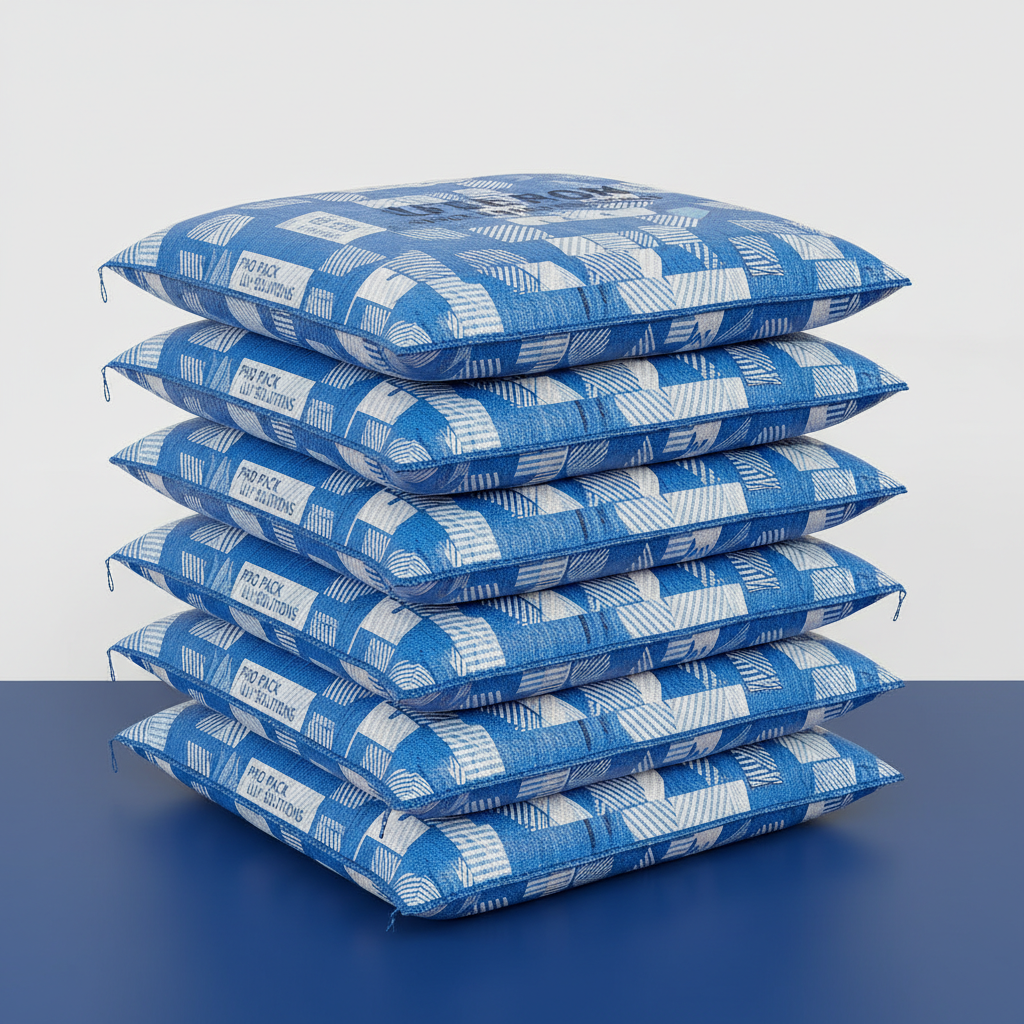
Global Industry Context of PP Woven Printed Bags
On a global scale, the shift toward polymer-based packaging has been accelerated by the need for standardized, lightweight, and cost-effective shipping. According to industry trends aligned with ISO packaging standards, pp woven printed bags have seen a surge in adoption within emerging economies, where infrastructure challenges require packaging that can endure prolonged transit without rupturing.
The primary challenge facing the industry has been the trade-off between structural integrity and visual clarity. Traditional woven bags were utilitarian and plain, often leading to brand anonymity and difficulty in product identification during bulk handling. The integration of advanced printing technologies has solved this, allowing for complex branding that does not compromise the bag's tensile strength.
Defining the Technicality of PP Woven Printed Bags
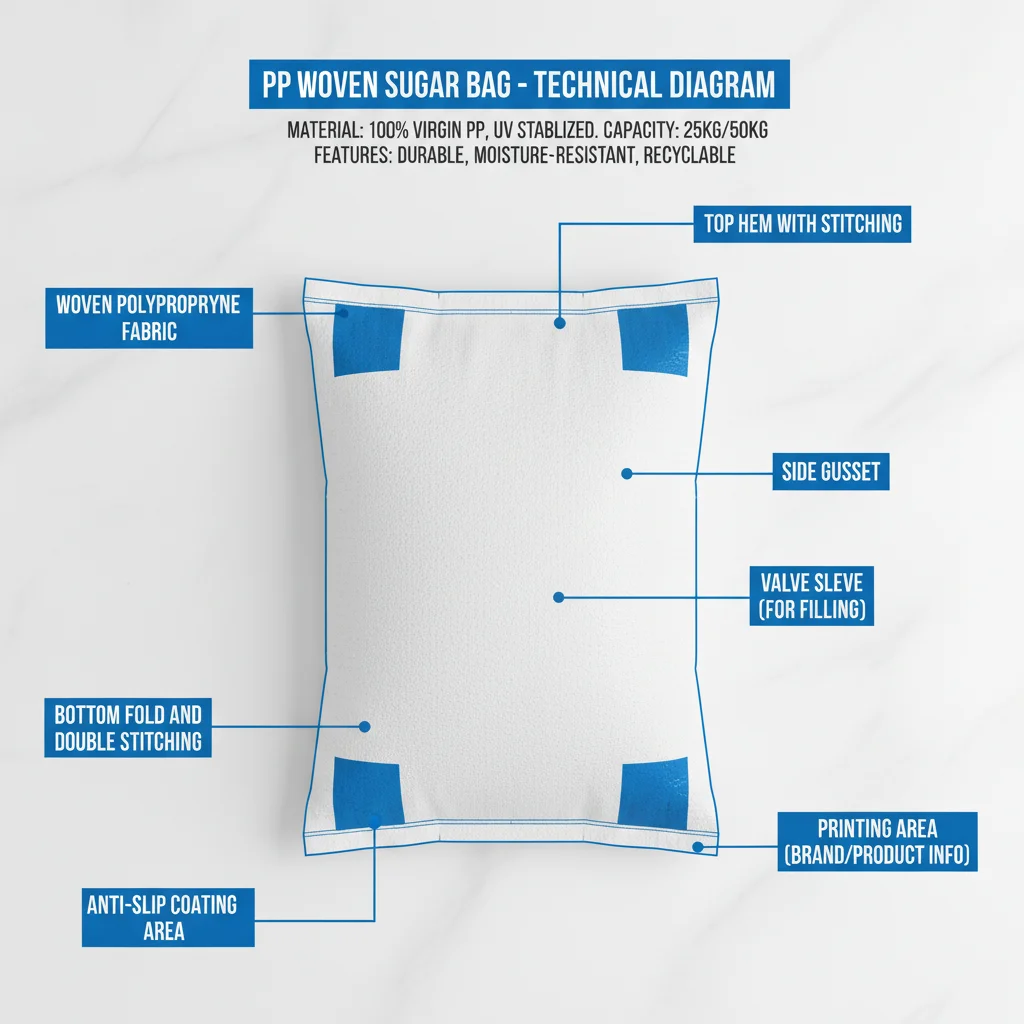
At its core, pp woven printed bags are manufactured from polypropylene (PP) resin, which is extruded into tapes, woven into a fabric, and then printed and finished. Unlike non-woven materials, the woven structure provides a cross-hatched reinforcement that prevents tears from propagating, making them ideal for heavy loads like grains, minerals, and fertilizers.
The "printed" aspect involves several methods, most notably BOPP (Biaxially Oriented Polypropylene) lamination. In this process, a high-quality printed film is laminated onto the woven fabric. This not only provides a glossy or matte finish for superior branding but also adds an extra layer of moisture protection, ensuring the contents remain dry and uncontaminated.
From a humanitarian perspective, these bags are vital for the distribution of food aid and emergency supplies. Their ability to be clearly printed with instructional icons and multilingual warnings makes them indispensable for NGOs and international relief organizations operating in diverse linguistic environments.
Core Components Ensuring Bag Performance
The durability of pp woven printed bags is fundamentally tied to the denier of the polypropylene tapes. A higher denier indicates a thicker filament, which translates directly to increased load-bearing capacity and resistance to puncture, essential for products with sharp edges or high density.
UV stabilization is another critical component. Since many products stored in pp woven printed bags are kept outdoors or in open warehouses, the addition of UV inhibitors prevents the polymer from becoming brittle under sunlight, extending the bag's life from a few weeks to several months.
Furthermore, the precision of the printing process—whether using flexographic or rotogravure methods—ensures that brand colors remain consistent. This visual reliability builds trust with the end consumer, signaling that the product inside is authentic and has been handled by a professional manufacturer.
Global Applications and Industrial Use Cases
In the agricultural sector, pp woven printed bags are the gold standard for seed and fertilizer packaging. In regions like Southeast Asia and Latin America, the use of printed bags allows cooperatives to implement strict grading systems, where different colors and prints denote specific nutrient levels or seed varieties, streamlining the supply chain from farm to market.
Beyond agriculture, the chemical industry utilizes these bags for transporting resins and powders. In remote industrial zones, where moisture and dust are constant threats, the laminated versions of these bags provide a hermetic-like seal that protects hygroscopic materials from clumping, thereby maintaining product purity and operational efficiency.
Performance Comparison of PP Woven Printed Bags Types
Long-Term Value and Economic Advantages
The economic value of investing in high-quality pp woven printed bags extends far beyond the initial purchase price. By reducing product loss due to bag failure—such as bursts during stacking or punctures during transit—companies significantly lower their waste overhead and insurance claims.
Moreover, the psychological impact of professional printing cannot be overstated. In a B2B environment, packaging is the first physical touchpoint of a brand. A clean, well-printed bag evokes a sense of safety, innovation, and trust, which often allows manufacturers to command a premium price for their products compared to those sold in generic, unbranded packaging.
Future Innovations in Printed Polymer Packaging
The future of pp woven printed bags is leaning heavily toward sustainability and "Circular Economy" principles. We are seeing the introduction of PCR (Post-Consumer Recycled) polypropylene, which allows brands to maintain the strength of their packaging while reducing their virgin plastic footprint, aligning with global ESG (Environmental, Social, and Governance) targets.
Digital transformation is also making its mark through "Smart Packaging." The integration of QR codes and NFC tags directly into the printed layer of the bags allows for real-time tracking and authentication. This ensures that the end-user can verify the origin of the product, combating counterfeiting in high-value agricultural and chemical sectors.
Additionally, advancements in bio-based polymers are paving the way for biodegradable woven bags that offer similar tensile properties to traditional PP. As policies against single-use plastics tighten worldwide, these innovations will ensure that printed woven packaging remains a viable and compliant choice for industrialists.
Overcoming Challenges in PP Bag Manufacturing
One of the most common challenges in the production of pp woven printed bags is "ink peeling" or delamination, especially when the bags are subjected to extreme temperature fluctuations. This often happens when the ink is not properly cured or when the lamination film is incompatible with the base fabric.
To solve this, expert manufacturers are now employing corona treatment, a process that increases the surface energy of the PP film, ensuring a molecular-level bond between the ink and the plastic. This prevents the graphics from scratching off during the friction of shipping, maintaining the brand's image until it reaches the final customer.
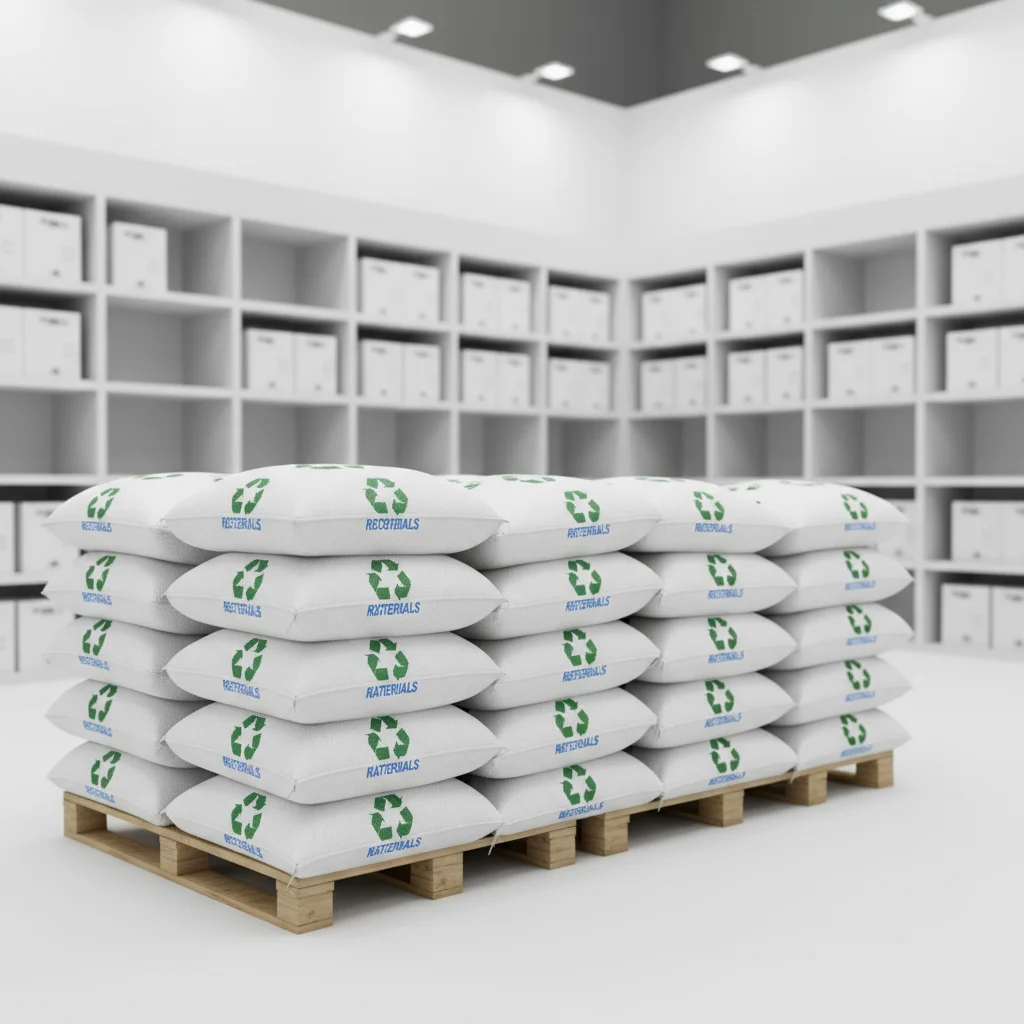
Another hurdle is the environmental perception of plastics. To overcome this, companies are transitioning to mono-material designs. By ensuring that the printing ink, the lamination film, and the woven fabric are all made from the same polymer family (Polypropylene), the bags become 100% recyclable, turning a waste challenge into a resource opportunity.
Analysis of Manufacturing Solutions for PP Woven Printed Bags
|
Challenge Type
|
Root Cause
|
Technical Solution
|
Effectiveness (1-10)
|
| Ink Delamination |
Low Surface Energy |
Corona Treatment |
9 |
| UV Degradation |
Solar Radiation |
UV Inhibitor Additives |
8 |
| Moisture Seepage |
Woven Pore Gaps |
BOPP Lamination |
10 |
| Bag Rupture |
Low Tape Denier |
High-GSM Weaving |
9 |
| Recyclability |
Mixed Materials |
Mono-Material Design |
7 |
| Printing Blur |
Fabric Shift |
Precision Servo Control |
8 |
FAQS
While both offer similar structural strength, pp woven printed bags feature a sophisticated finish, usually involving lamination. This allows for high-resolution branding, better moisture resistance, and a more professional appearance, making them suitable for retail-ready products whereas regular bags are typically used for internal industrial storage.
The key is to use BOPP lamination or corona treatment. By laminating the printed film over the woven fabric, the ink is "sandwiched" and protected from external friction. This ensures that your branding remains intact even after thousands of miles of transit in containers.
Yes, provided they are designed as mono-materials. When the bag, the lamination, and the ink are all polypropylene-based, they can be processed in standard PP recycling streams. We recommend choosing mono-material options to meet environmental regulations and improve your brand's sustainability profile.
Absolutely. The strength of pp woven printed bags depends on the fabric's GSM and denier. They are specifically engineered for high-tensile loads, and with the correct specification, they can easily handle 50kg or more without compromising the integrity of the print or the structure.
Depending on the concentration of UV inhibitors used during the extrusion process, these bags can typically withstand 3 to 6 months of direct sunlight exposure before any noticeable degradation occurs. This is essential for outdoor agricultural storage.
For highly detailed graphics and photographic quality, Rotogravure printing combined with BOPP lamination is the best choice. It offers superior color accuracy and sharpness compared to standard flexographic printing, ensuring your brand identity is perfectly replicated.
Conclusion
In summary, pp woven printed bags represent a critical intersection of industrial engineering and commercial marketing. By combining the raw strength of polypropylene weaving with advanced lamination and printing technologies, businesses can ensure their products are protected from the elements while simultaneously building powerful brand recognition. From the technical advantages of UV stabilization and corona treatment to the economic benefits of reduced product loss, these bags provide an all-in-one solution for the global supply chain.
Looking forward, the evolution toward mono-material recyclability and smart packaging will only increase the value proposition of these containers. For manufacturers and distributors, the transition to high-quality, printed polymer solutions is no longer optional but a strategic necessity to remain competitive in a sustainability-driven market. We encourage you to audit your current packaging efficiency and explore how advanced woven solutions can elevate your operational standards. Visit our website: www.ssjtpack.com