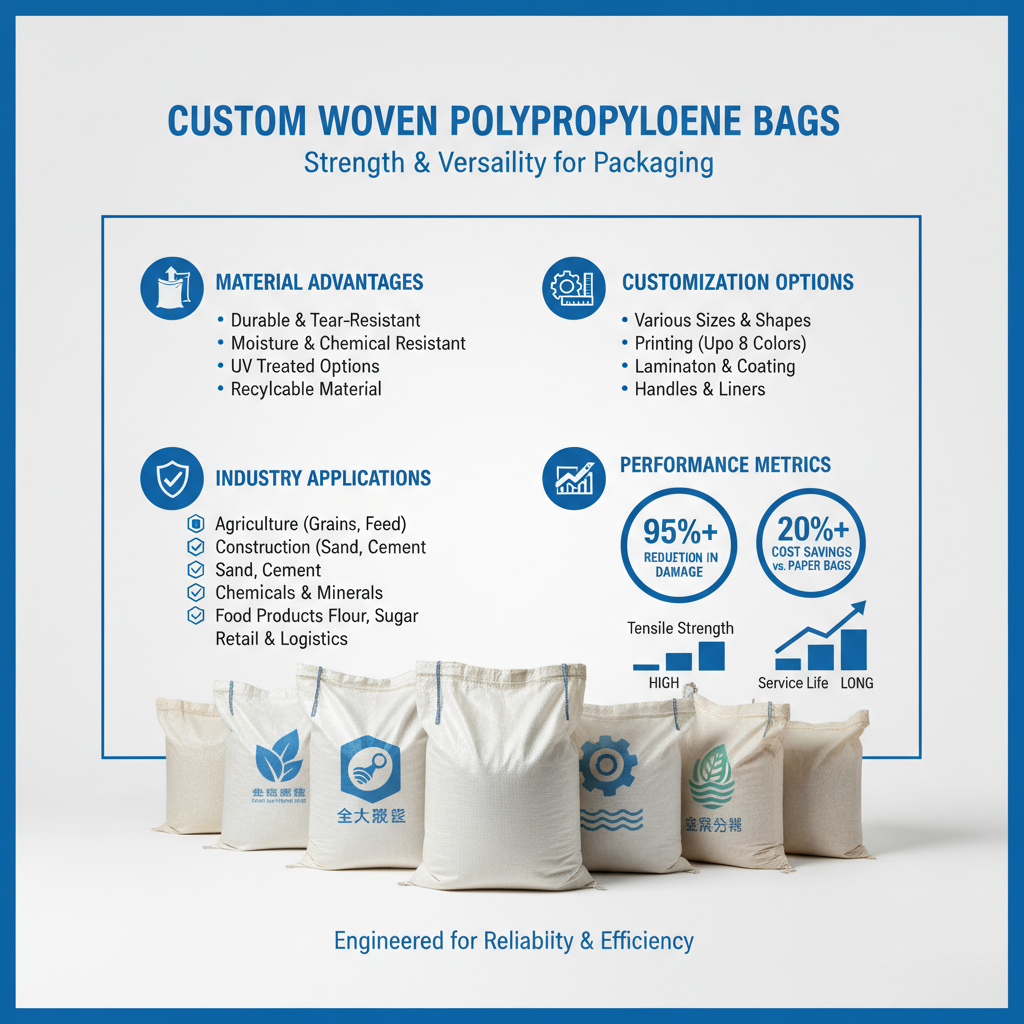
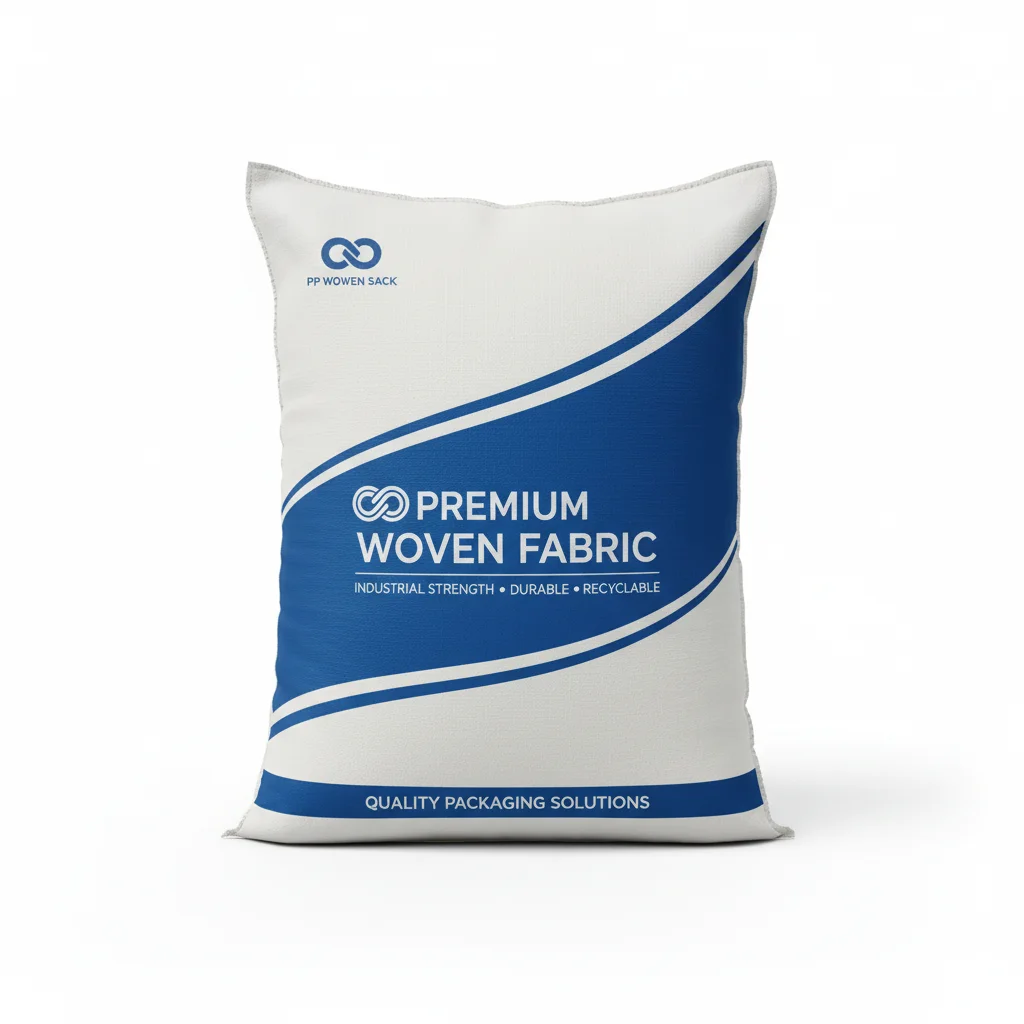
Custom woven polypropylene bags have emerged as a globally vital packaging and logistical solution, impacting industries ranging from agriculture and construction to disaster relief and retail. Their inherent strength, cost-effectiveness, and versatility make them indispensable for transporting, storing, and protecting a vast array of goods worldwide. Understanding the nuances of these bags – their manufacturing processes, material properties, and diverse applications – is crucial for businesses and organizations seeking efficient and sustainable solutions.
The demand for custom woven polypropylene bags is fueled by the increasing globalization of trade and the need for robust and reliable packaging. According to the United Nations Conference on Trade and Development (UNCTAD), global trade volumes continue to rise, necessitating adaptable packaging solutions. These bags address a critical need for affordable, durable transport of bulk materials, especially in developing nations, contributing to economic growth and stability.
Furthermore, advancements in polypropylene production and weaving technology are continually improving the performance and sustainability of these bags. The ability to customize dimensions, printing, and coatings allows businesses to tailor these bags to their specific needs, making them a highly adaptable and valued asset in today's interconnected world.
Introduction to Custom Woven Polypropylene Bags
Custom woven polypropylene bags represent a sophisticated advancement in packaging technology. They are not merely containers, but integral components of global supply chains, designed to withstand the rigors of transport and storage. The ability to tailor these bags to specific requirements – size, strength, printing, and features – is what sets them apart from generic packaging options. custom woven polypropylene bags are instrumental in countless applications.
The benefits extend beyond functionality. Manufacturers are increasingly focused on sustainable practices, and polypropylene, while a plastic, is recyclable. Furthermore, the long lifespan and reusability of well-constructed woven polypropylene bags contribute to a reduced environmental footprint compared to single-use alternatives. Investing in quality custom woven polypropylene bags is therefore a commitment to both efficiency and sustainability.
Defining Custom Woven Polypropylene Bags
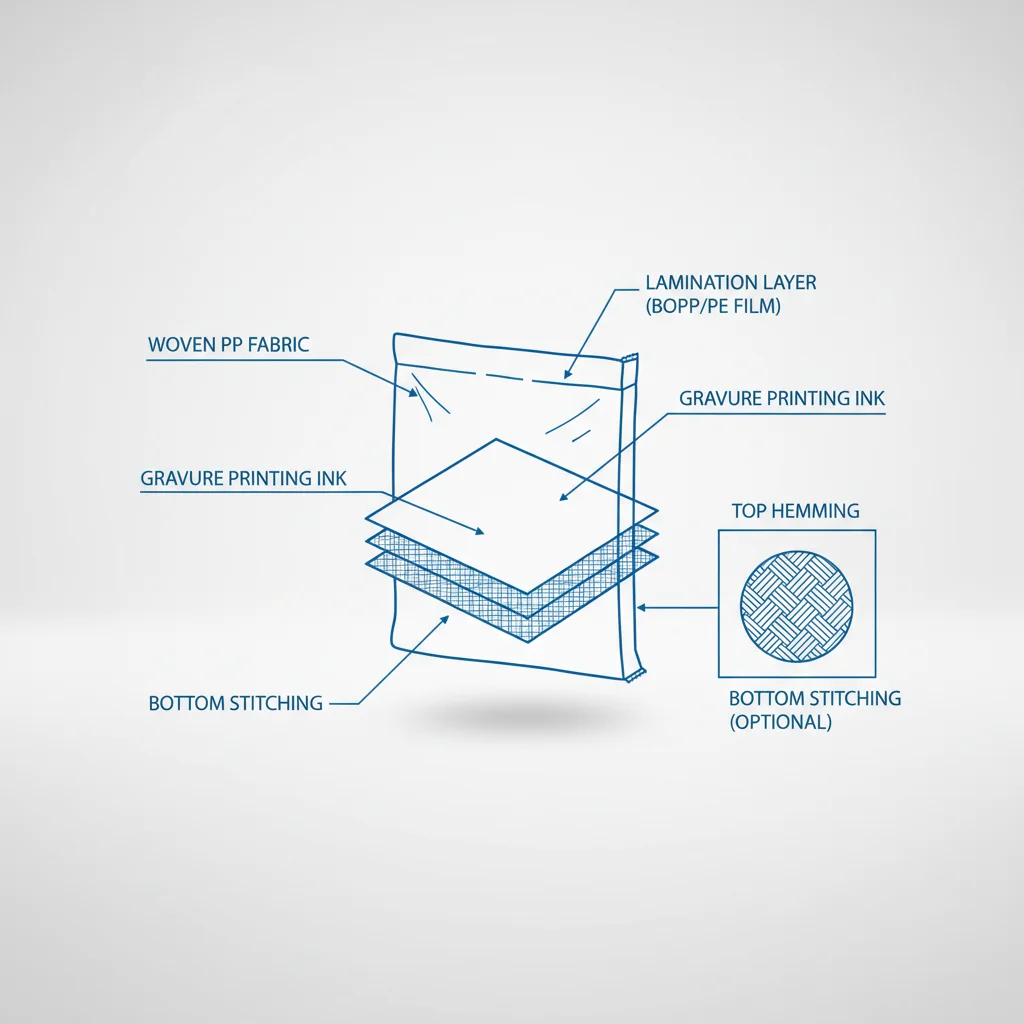
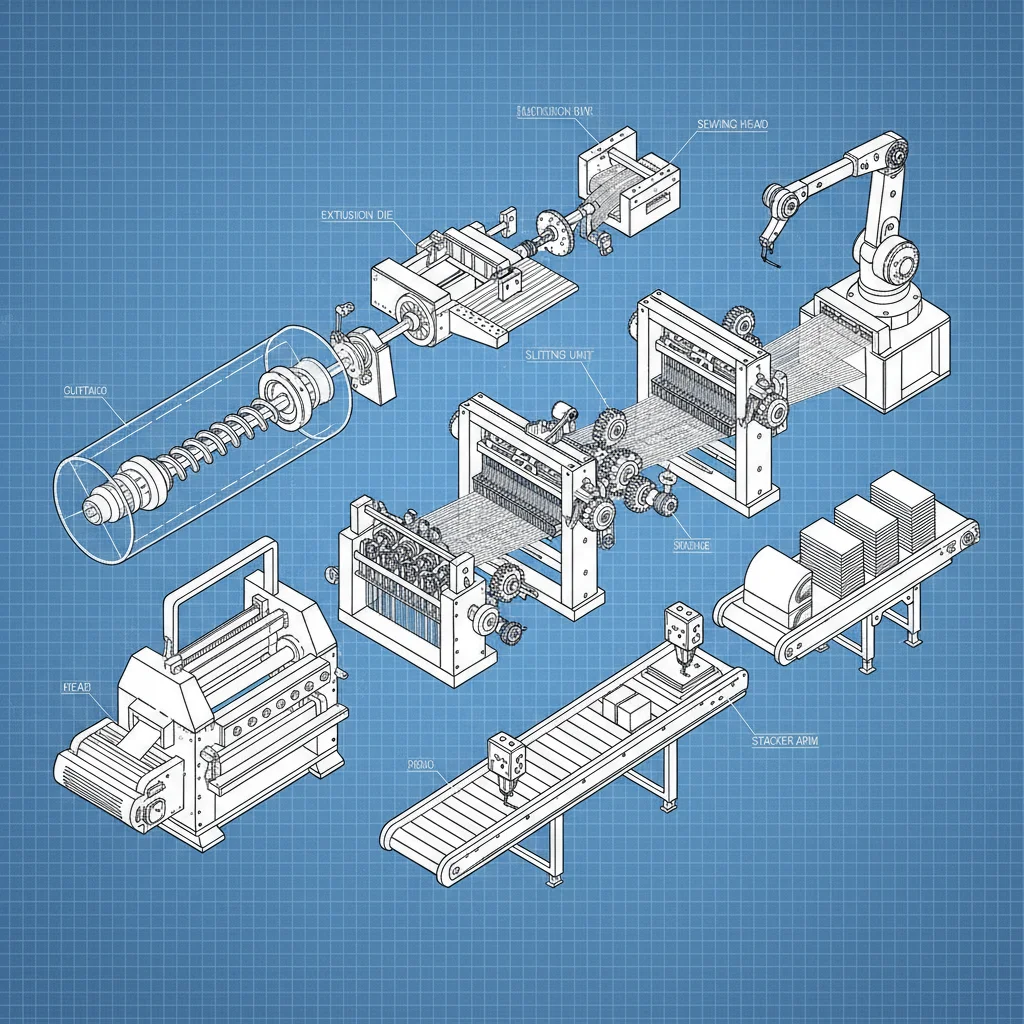
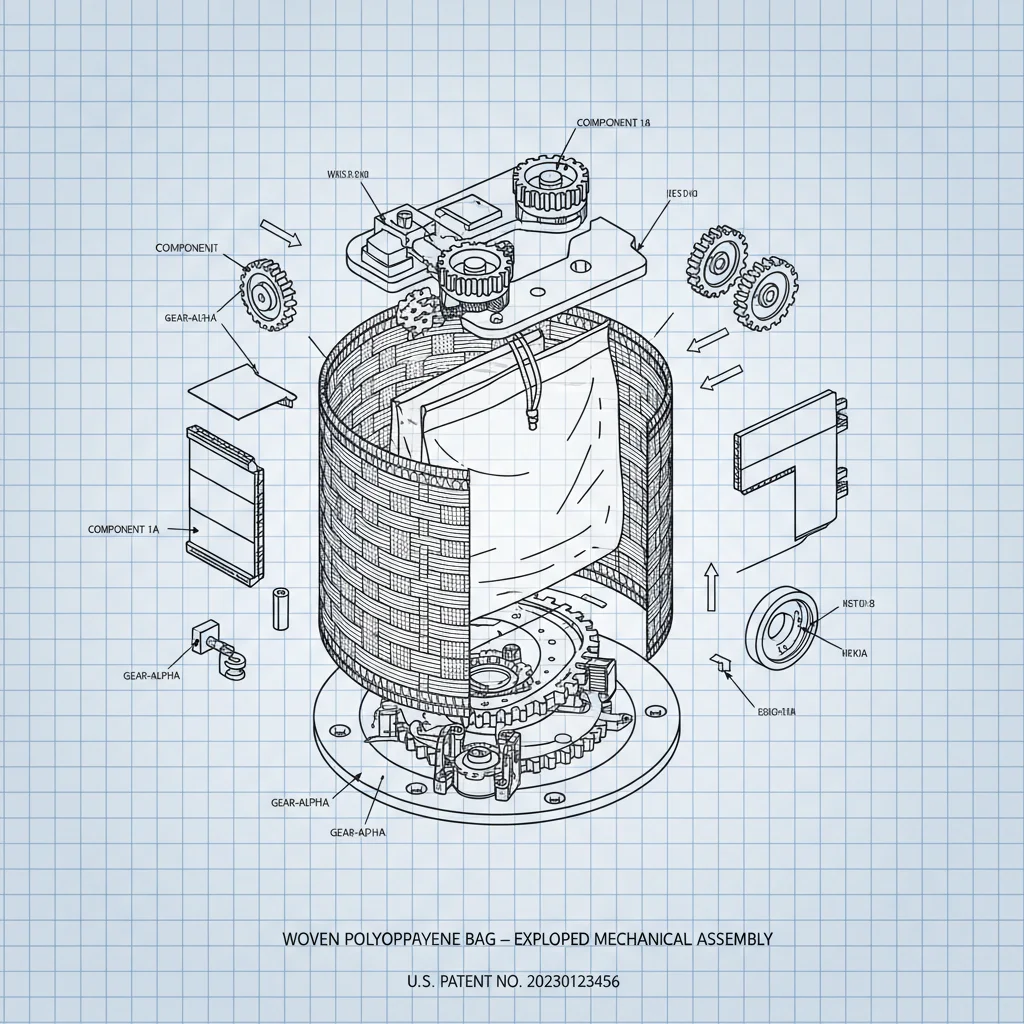
Custom woven polypropylene bags are constructed from polypropylene resin, a thermoplastic polymer known for its high tensile strength, chemical resistance, and low density. The resin is extruded into tapes, which are then woven together to create a durable fabric. This fabric is then coated, often with a laminate, to enhance its water resistance, strength, and printability. "Custom" refers to the ability to specify dimensions, printing, coatings, and features such as liners, spouts, or handles.
These bags address a critical need in modern logistics – the safe and efficient transport of bulk goods. Unlike rigid containers, woven polypropylene bags are relatively lightweight and foldable when empty, minimizing storage space. They provide a cost-effective alternative to other packaging materials like paper, jute, or plastic films, particularly for heavier loads.
The connection to humanitarian needs is also significant. In disaster relief scenarios, these bags are frequently used to transport food aid, sandbags for flood control, and emergency supplies. Their durability and water resistance make them ideal for delivering essential resources to affected populations.
Key Characteristics of Custom Woven Polypropylene Bags
Durability: Woven polypropylene exhibits exceptional tensile strength, resisting tears and punctures. This makes it ideal for handling abrasive or weighty materials like grains, fertilizers, and construction aggregates. The weaving process itself contributes significantly to the bag’s structural integrity, ensuring it can withstand the stresses of transportation and storage.
Cost-Effectiveness: Polypropylene is a relatively inexpensive polymer, making woven polypropylene bags a highly affordable packaging solution. This is especially crucial for businesses operating with tight margins or needing to package large volumes of goods. The long lifespan of the bags further enhances their cost-effectiveness, as they can often be reused multiple times.
Customization: The ability to customize these bags is a major advantage. Dimensions can be tailored to specific product requirements, and printing allows for branding and product information. Additional features like liners, spouts, and handles can be added to enhance functionality and user convenience. custom woven polypropylene bags offer a versatile solution for diverse packaging needs.
Applications Across Global Industries
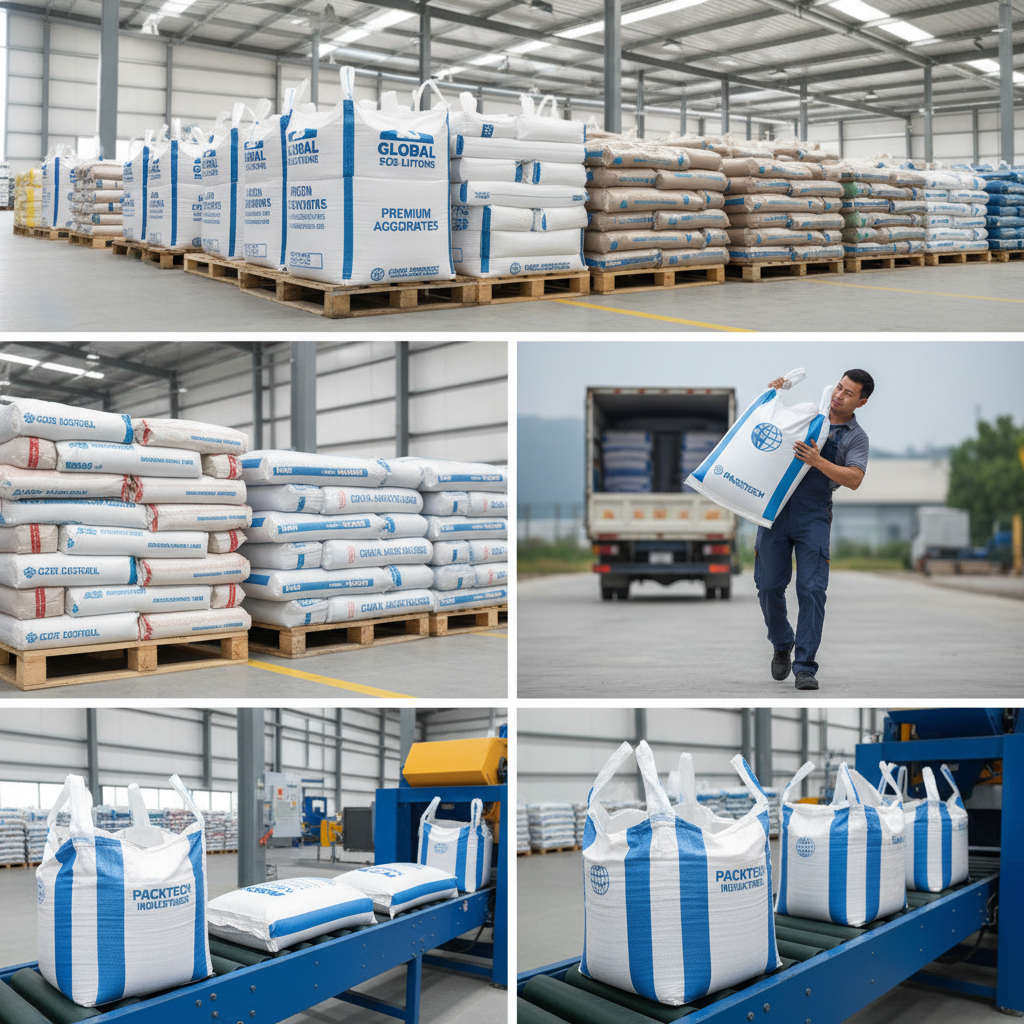
Custom woven polypropylene bags find application in a remarkably diverse range of industries. In agriculture, they are used to package and transport grains, seeds, fertilizers, and animal feed. The construction industry relies on them for cement, sand, and aggregates. The chemical industry utilizes them for transporting powdered and granular chemicals.
Regionally, these bags are particularly prevalent in areas with large agricultural outputs, such as Southeast Asia and South America. In post-disaster relief operations, organizations like the Red Cross and World Food Programme frequently deploy woven polypropylene bags to distribute essential supplies to affected communities. They’re also vital in remote industrial zones where reliable and durable packaging is crucial.
Furthermore, the retail sector employs these bags for storing and transporting bulk items like pet food, salt, and sugar. The ability to customize the printing with branding and product information makes them ideal for point-of-sale applications and consumer-facing products.
Average Strength Rating of Custom Woven Polypropylene Bag Manufacturing Methods
Advantages and Long-Term Value Proposition
The advantages of utilizing custom woven polypropylene bags extend beyond immediate cost savings. Their durability significantly reduces product loss during transport, minimizing financial setbacks and maintaining product quality. The ability to customize branding enhances brand recognition and customer loyalty.
From a sustainability perspective, the potential for reuse and the recyclability of polypropylene contribute to a lower environmental impact compared to single-use alternatives. The long-term value proposition lies in the combination of cost-effectiveness, durability, brand enhancement, and responsible environmental practices.
Emerging Trends and Innovations
The industry is witnessing a growing focus on developing more sustainable polypropylene resins, including bio-based options derived from renewable resources. Digital printing technologies are enabling more complex and visually appealing designs, enhancing branding opportunities.
Automation in the weaving and bag-making processes is increasing efficiency and reducing production costs. Furthermore, the integration of smart technologies, such as RFID tags, is enabling better tracking and traceability throughout the supply chain.
Challenges and Future Solutions
One of the primary challenges facing the industry is the perception of plastic waste. Addressing this requires increased efforts in recycling infrastructure and promoting responsible disposal practices. Developing fully biodegradable polypropylene alternatives is also a key area of research.
Another challenge is ensuring consistent quality control across different manufacturing facilities. Implementing standardized testing protocols and certifications can help maintain consistent product quality and build trust with customers. Utilizing advanced materials and weaving techniques can also address the challenge of tear resistance.
Collaboration between manufacturers, researchers, and policymakers is crucial for overcoming these challenges and unlocking the full potential of custom woven polypropylene bags as a sustainable and versatile packaging solution.
Core Analysis of Challenges and Solutions for Custom Woven Polypropylene Bags
| Challenge Area |
Severity (1-10) |
Potential Solution |
Implementation Cost (USD) |
| Plastic Waste Perception |
8 |
Enhanced Recycling Programs |
50,000 - 200,000 |
| Biodegradability Limitations |
7 |
Bio-based Polypropylene Research |
100,000 - 500,000 |
| Quality Control Consistency |
6 |
Standardized Testing Protocols |
20,000 - 80,000 |
| Tear Resistance |
5 |
Advanced Weaving Techniques |
30,000 - 100,000 |
| Supply Chain Traceability |
4 |
RFID Tag Integration |
40,000 - 150,000 |
| Production Cost Optimization |
5 |
Automated Manufacturing Processes |
75,000 - 300,000 |
FAQS
The lifespan of a custom woven polypropylene bag varies depending on usage and the quality of the materials used. However, a well-constructed bag can typically last for several years with regular use. Factors such as UV exposure, load weight, and handling practices will impact longevity. Many bags are designed for multiple uses, contributing to their cost-effectiveness and sustainability. Expect a minimum of 1-3 years with moderate to heavy use, and significantly longer with lighter loads.
Yes, polypropylene is recyclable, and many communities now accept polypropylene plastic (#5) for recycling. However, recycling infrastructure varies significantly by location. Check with your local recycling center to confirm if they accept woven polypropylene bags. Some manufacturers also offer take-back programs for recycling used bags, promoting a circular economy. Properly cleaning the bags before recycling is often recommended.
The maximum weight capacity of a woven polypropylene bag depends on the bag’s size, construction (denier of the yarns), and weaving density. Standard bags typically range in capacity from 50 to 100 lbs (22.7 to 45.4 kg). Heavier-duty bags can support up to 200 lbs (90.7 kg) or more. Always check the manufacturer’s specifications to ensure the bag is suitable for your intended load. Overloading a bag can compromise its integrity and lead to failure.
Woven polypropylene bags are reasonably durable for outdoor use, but prolonged exposure to direct sunlight (UV radiation) can degrade the material over time, making it brittle. UV-stabilized polypropylene resins can mitigate this effect, extending the bag’s lifespan in outdoor environments. Consider using bags with UV inhibitors for applications where they will be regularly exposed to sunlight, or storing them indoors when not in use.
A variety of printing options are available, including flexographic printing, which is the most common and cost-effective method. This allows for printing logos, text, and graphics directly onto the bag. Rotogravure printing offers higher print quality and is suitable for complex designs, but it is typically more expensive. The number of colors available and the size of the print area will also affect the cost. Consider the visibility and durability of the print when choosing a printing method.
Look for suppliers who use high-quality polypropylene resins and employ rigorous quality control measures throughout the manufacturing process. Check the denier (yarn thickness) of the fabric – higher denier indicates greater strength. Request samples to assess the bag’s construction, print quality, and overall durability. Consider certifications or compliance with industry standards to ensure the bag meets your requirements. custom woven polypropylene bags suppliers often provide detailed specifications.
Conclusion
In conclusion, custom woven polypropylene bags represent a versatile, cost-effective, and increasingly sustainable packaging solution with applications spanning numerous industries globally. Their inherent strength, customization options, and potential for reuse contribute to their long-term value. Understanding the key characteristics, emerging trends, and potential challenges surrounding these bags is essential for businesses and organizations seeking to optimize their packaging and logistical operations.
Looking ahead, continued innovation in materials science, manufacturing processes, and recycling technologies will further enhance the sustainability and performance of custom woven polypropylene bags. By embracing these advancements and prioritizing responsible sourcing and disposal practices, we can unlock the full potential of these bags as a critical component of a more efficient and environmentally conscious supply chain.